How Waroona, WA’s largest solar–battery hybrid, will bolster the SWIS
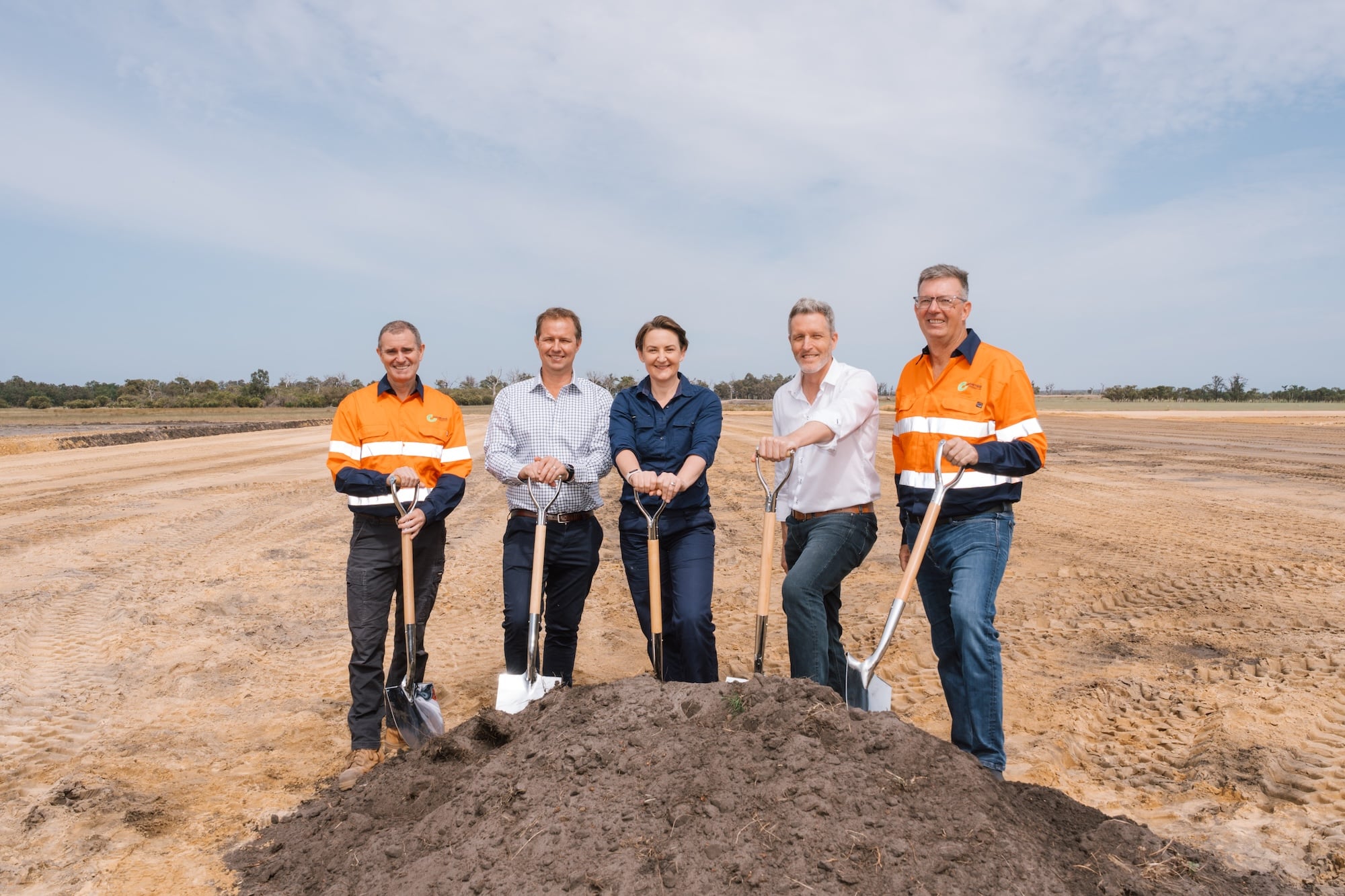
Construction has begun on Frontier Energy's Waroona solar, battery hybrid project in Western Australia. The article provides no technical specifications, cost, timeline, capacity, or detail on how the system will perform during low-sun periods or overnight demand. The claim that it will "bolster" the South West Interconnected System rests on an assumption: that adding battery storage to solar addresses the core problem of weather-dependent generation. The article does not test that assumption.
Where this fits
Waroona is another data point in the pattern of building a renewables-first grid without counting the full cost of firming. Solar plus battery is cheaper per megawatt-hour than the alternatives being ruled out, but it does not solve the problem it appears to solve. When the sun does not shine and the battery depletes, something else must supply power. The SWIS will still need dispatchable generation, gas, or firm alternatives like nuclear, to handle those periods. Australia is building the visible part of the energy transition cheaply while deferring the invisible part (firming capacity, transmission overbuild, strategic mineral supply) to later and to others.
What it means
Every new solar, battery project marketed as a solution to grid stability masks a dependency that has not been closed. The Waroona project will perform reliably on sunny days with stored charge. On cloudy afternoons or cold nights, Western Australia remains reliant on natural gas or the grid's existing firm generation. The sovereignty question deepens: solar panels and batteries are sourced from supply chains dominated by China. A truly prepared energy system would couple renewable generation with either firm alternatives (gas now, with the option to close it later) or low-emission firm power (nuclear, currently banned). Instead, Australia is building a system that is cheap to start but costly and strategically fragile to complete.
Go deeper on the numbers
The bigger picture
Energy security is national security. This connects to the wider case at Unprepared: Australia's dependence on a strategic rival, and how ready it is for the world that is coming.

The Factory Floor
In 2024, China built over a thousand commercial vessels. The United States built eight. Part V of the Unprepared series.
Reported by Energy Magazine. Read the original report ↗
Related coverage
South Australia cuts rooftop solar after storm sparks power outages
WA company fined $15,000 over ‘incredibly dangerous’ battery install
Intium unlocks grid connection for Maryvale solar and battery project
Mothballed power station reactivated to rectify Eyre Peninsula outage
The numbers, as they move
A short, sourced brief when the figures shift: a transmission blow-out, a supply-chain move, a milestone.