Industrial heat pump installations double across Australia
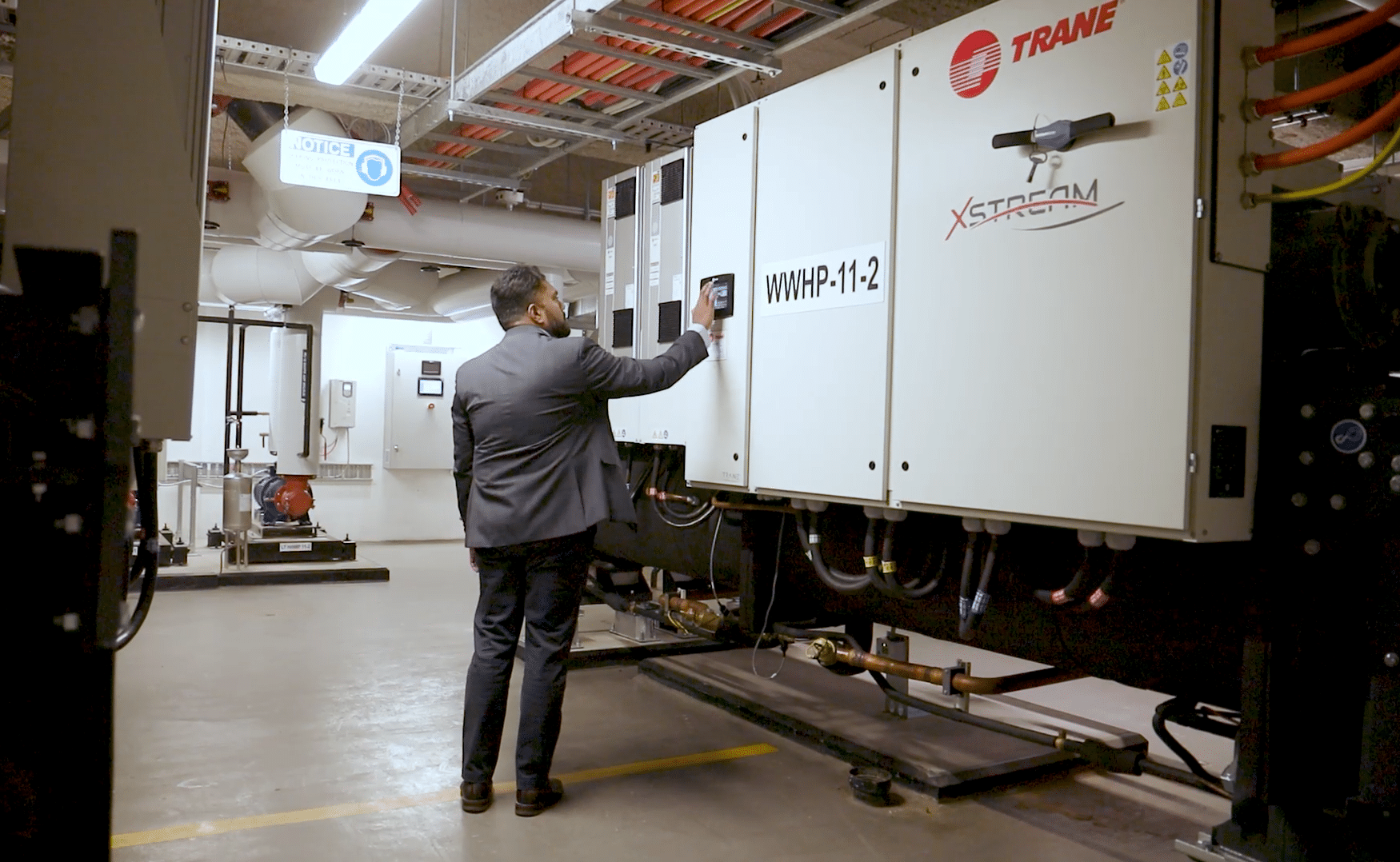
More than 230 major industrial and commercial sites across Australia are expected to have installed large-scale heat pumps by the end of 2027, according to industry forecasts. The article does not specify current installations or the rate of growth, only that the pipeline has doubled.
Where this fits
Heat pump deployment is often presented as a low-cost electrification win: swap gas boilers for electric heating and let renewables supply the power. In practice, industrial heat pumps are a demand-side electricity load that must be matched by grid supply. Australia is already committing to a renewables-heavy grid where output is weather-dependent. Adding 230 major heat loads sharpens the need for firm dispatchable power or storage at scale. The article contains no accounting for what will firm these sites when wind and solar are unavailable. That gap, the cost of matching variable renewable supply to new concentrated demand, is the structural problem the headline obscures.
What it means
Heat pump growth in an unreliable grid means more reliance on gas peaking plants to cover shortfalls, or uncosted assumptions about battery storage that does not yet exist at industrial scale. It also means Australia is adding electrified industrial load without securing the firm generation to supply it. The alternative, new nuclear capacity, which can site near demand and run at full output around the clock, remains legally banned in Australia. Without it, heat pump sites will either run on firming gas or face interruption. The transition is being built on the assumption that luck, batteries, or both will substitute for the firm, energy-dense generation that industrial heat has always required.
Go deeper on the numbers
The bigger picture
Energy security is national security. This connects to the wider case at Unprepared: Australia's dependence on a strategic rival, and how ready it is for the world that is coming.

Xi Jinping and the Purge That Built an Army
The PLA that Xi Jinping inherited in 2012 was modernising, and the one he commands in 2026 is transformed. Part IV of the Unprepared series.
Reported by Energy Magazine. Read the original report ↗
Related coverage
Energy Minister Chris Bowen confirms EV and battery subsidies in firing line - AFR
Data centre giant lines up solar, wind and battery deal to power its plans for former smelter site - Renew Economy
Energy bills set to unleash hell on battling families - The Australian
Rio Tinto (ASX:RIO) Share Price: Bell Bay, Tomago and Boyne Power Deals Reset Australian Aluminium - Kalkine
The numbers, as they move
A short, sourced brief when the figures shift: a transmission blow-out, a supply-chain move, a milestone.