It is cheaper to shut down Snowy 2.0 debacle than finally build it - AFR

The Australian Financial Review has reported that the cost of abandoning Snowy 2.0 has fallen below the cost of completing it. The pumped-hydro project, originally budgeted at A$10 billion, has faced repeated cost blowouts and schedule delays. The analysis suggests that a walk-away is now the cheaper option than pushing to finish construction.
Where this fits
Snowy 2.0 embodies the whole-system cost problem that Energy Realism tracks. The scheme was always positioned as firming for renewables, the dispatchable backup a renewables-heavy grid requires. Its ballooning cost shows that Australia's transition plan is not simply "renewables plus a bit of storage": the full system, renewable generation, long-duration storage, transmission rebuild, and the gas plants that still run when both fail, is far more expensive than the renewable megawatts alone. When even the dedicated firming project becomes uneconomic, the cost of the broader transition becomes harder to hide.
What it means
Walking away from Snowy 2.0 leaves Australia with a grid that is more dependent on short-duration batteries and gas peaking plants to cover the gaps when wind and solar do not deliver. Batteries are cheaper per megawatt-hour than pumped hydro, but they store hours, not days. Gas will remain the workhorse for weather events that last days or weeks, pushing up both emissions and operating costs. The alternative, firm, low-carbon baseload power that does not require mining, China's supply chain, or weather forecasts, remains off the table by law. Australia is choosing the expensive, weather-dependent path not because it is optimal, but because the firm option has been ruled out.
Go deeper on the numbers
The bigger picture
Energy security is national security. This connects to the wider case at Unprepared: Australia's dependence on a strategic rival, and how ready it is for the world that is coming.
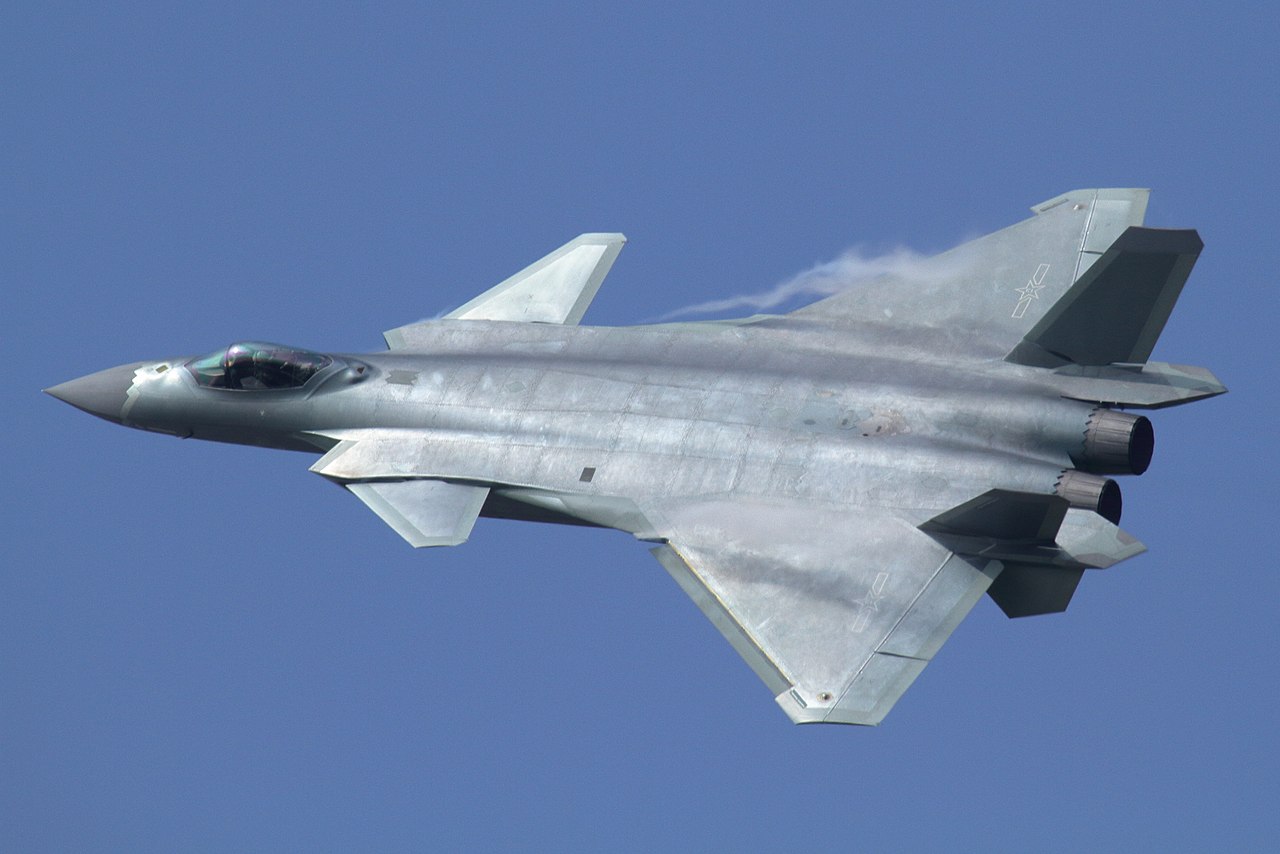
Xi Jinping and the Purge That Built an Army
The PLA that Xi Jinping inherited in 2012 was modernising, and the one he commands in 2026 is transformed. Part IV of the Unprepared series.
Reported by GNews: AFR energy. Read the original report ↗
Related coverage
Energy Minister Chris Bowen confirms EV and battery subsidies in firing line - AFR
Data centre giant lines up solar, wind and battery deal to power its plans for former smelter site - Renew Economy
Energy bills set to unleash hell on battling families - The Australian
Rio Tinto (ASX:RIO) Share Price: Bell Bay, Tomago and Boyne Power Deals Reset Australian Aluminium - Kalkine
The numbers, as they move
A short, sourced brief when the figures shift: a transmission blow-out, a supply-chain move, a milestone.