Lithium demand from storage expected to slow to 5% annual growth
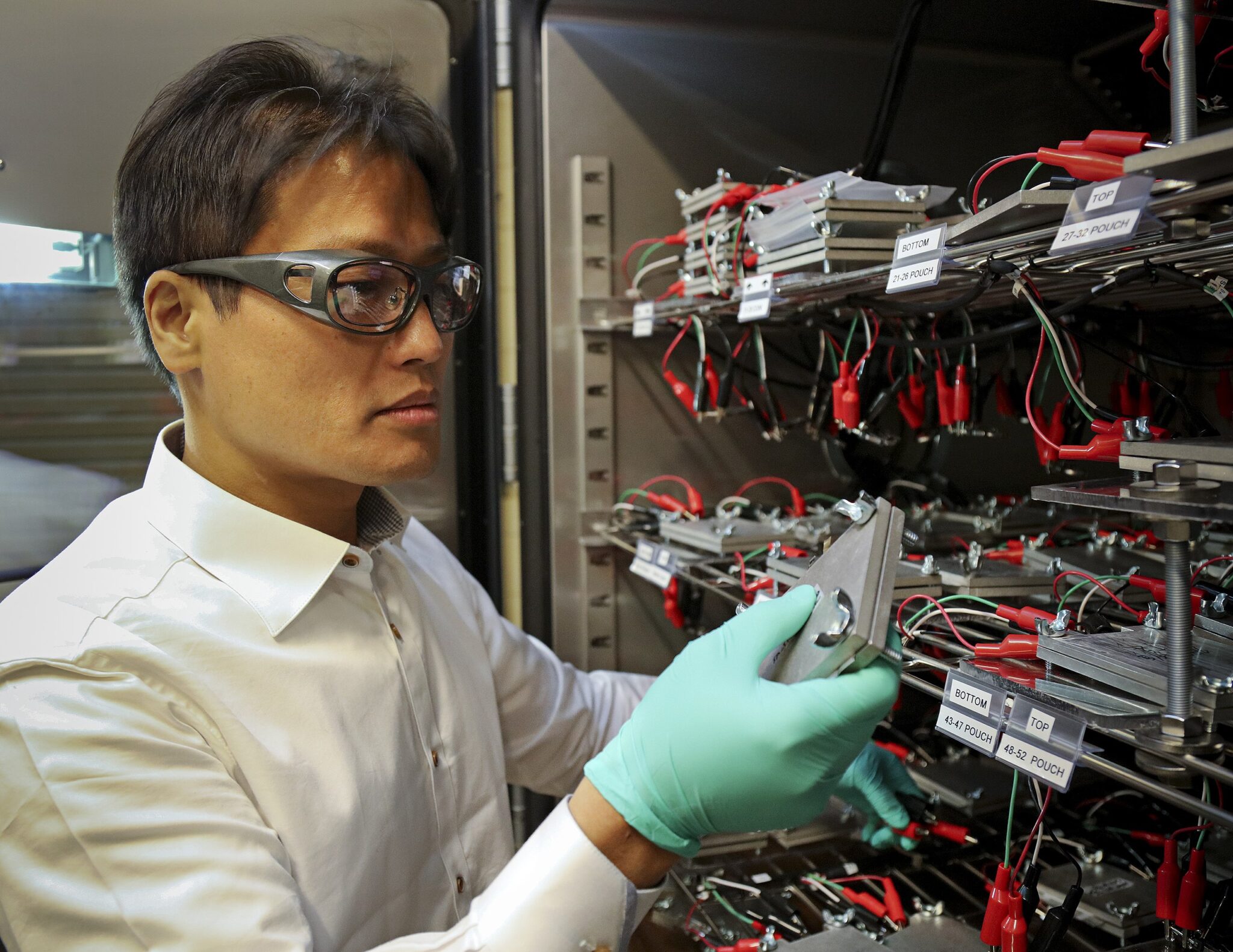
Benchmark Mineral Intelligence projects lithium demand for stationary storage will slow to 5% annual growth through 2030, down from 60% growth over the past two years. The analyst house forecasts global lithium demand reaching 7 million metric tons of lithium carbonate equivalent by 2050, requiring the equivalent of 134 new mines and over $100 billion in investment. Electric vehicles are expected to account for 76% of lithium demand by 2050, up from 55% today, as battery storage deployment moderates. Recycling is forecast to supply almost half of global lithium by 2050. Benchmark did not specify what is driving the slowdown in storage demand.
Where this fits
The storage buildout is already requiring extraordinary material volumes on a scaling trajectory that slows midway through the decade. This signals that the cost and supply-chain constraints of battery-based firming are hitting real limits earlier than transition planners assumed. Australia's grid is betting on stationary storage as the firming backbone for a renewables-only system, yet global lithium supply remains concentrated in three countries and heavily dependent on processing in China. The materials pressure points not at scarcity but at capital allocation, investment volatility, and geopolitical control of the supply chain.
What it means
Slower storage growth means the grid's reliance on gas for weather-dependent firming will persist longer than zero-carbon grids require. Australia cannot secure lithium mining or processing as quickly as the transition assumes, and Chinese refining capacity is already the gating factor. The firming problem Australia faces is real; the material answer to it, firm nuclear power, remains legally off the table.
By the numbers
at ~A$600–1000/kWh installed. Source: BNEF, CSIRO GenCost 2024-25. Indicative.
of average national (NEM) demand if fully dischargeable, then it needs recharging. Storage shifts power, it does not generate it.
lithium, graphite, nickel, copper and cobalt (~45000 t lithium content). Replaced roughly every 12 years. Source: IEA, Argonne GREET. Indicative.
~75% of cells are China-made. Source: IEA cell-manufacturing share.
enough for 161–417 TWh a year of firm, always-on power, generating for ~60 years. Source: CSIRO GenCost 2024-25 (A$8.5–13.2bn/GW), IAEA capacity factor.
Figures are indicative conversions from the article's stated quantity using published cost, material and capacity factors (CSIRO GenCost, BNEF, IEA, IAEA). Ranges, not precise forecasts.
Go deeper on the numbers
The bigger picture
Energy security is national security. This connects to the wider case at Unprepared: Australia's dependence on a strategic rival, and how ready it is for the world that is coming.
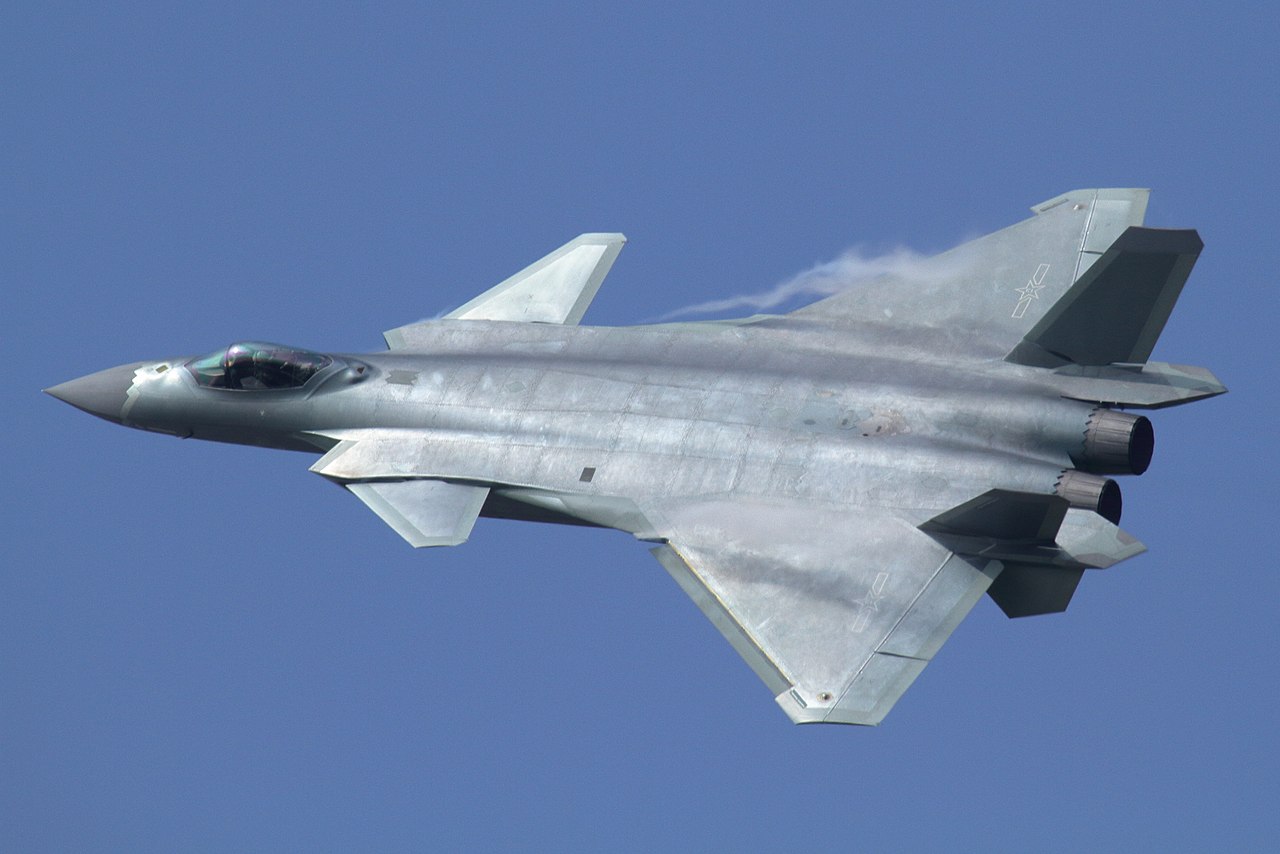
Xi Jinping and the Purge That Built an Army
The PLA that Xi Jinping inherited in 2012 was modernising, and the one he commands in 2026 is transformed. Part IV of the Unprepared series.
Reported by PV Magazine Australia. Read the original report ↗
Related coverage
Three minute battery cell health check could transform recycling and second-life potential
Federal government cancels panel recycling pilot, considers ‘next steps’
Watt seeks “urgent advice” on next steps for solar recycling pilot after cancellation of tender... - Renew Economy
Victory, Curtin University team up on rare earth processing - Mining.com
The numbers, as they move
A short, sourced brief when the figures shift: a transmission blow-out, a supply-chain move, a milestone.