The NEM is seeing a surge in longer-duration battery storage
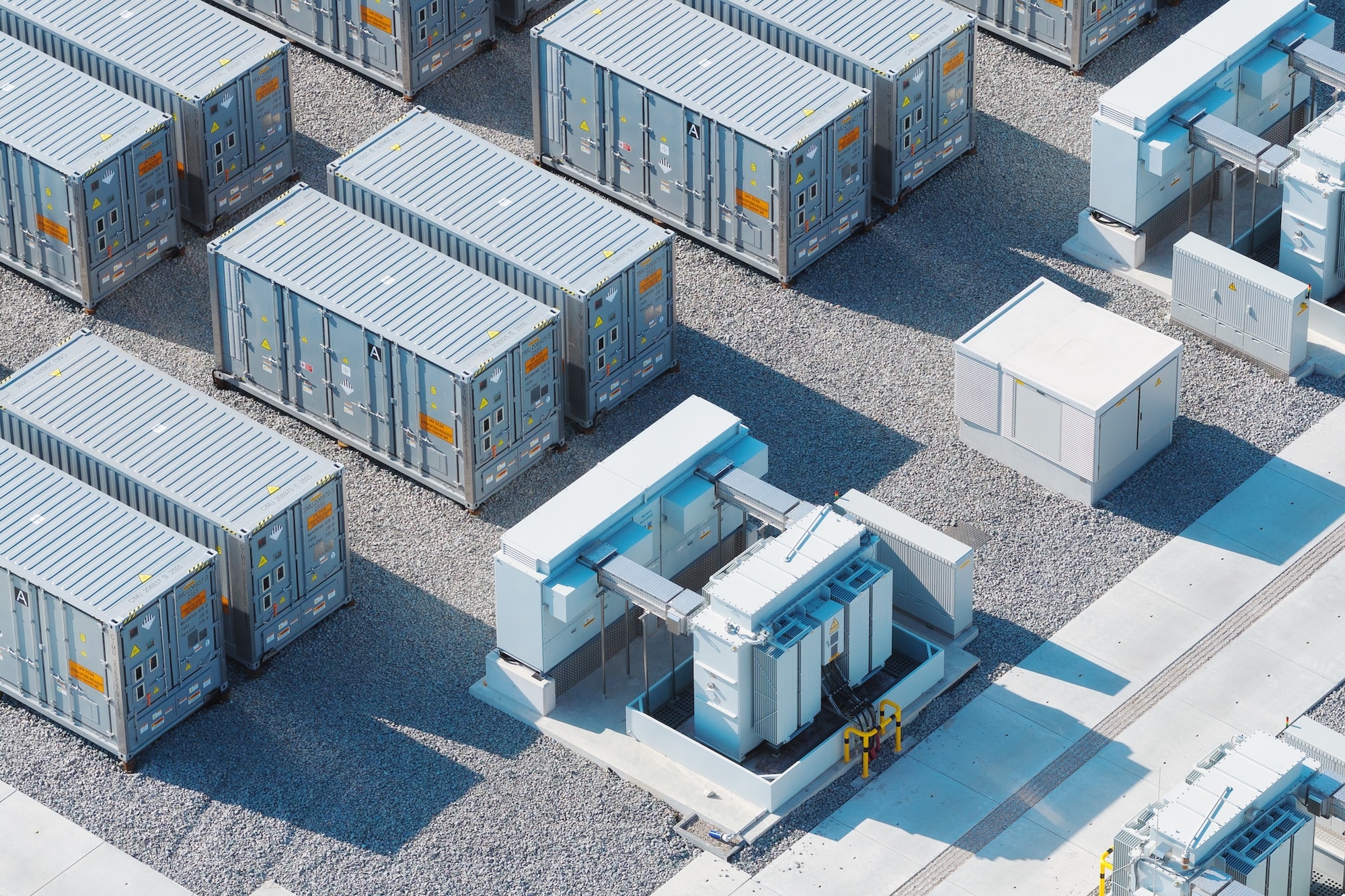
The National Electricity Market connection pipeline has grown 43 per cent over the past year, driven by a surge in battery storage projects, particularly longer-duration systems. The article does not provide detail on project size, timeline, chemistry, location or cost.
Where this fits
Longer-duration batteries are being built because wind and solar output is weather-dependent and seasonal. The grid cannot rely on sun and wind alone, so storage has become essential infrastructure. This is a materials and sovereignty problem. Lithium-ion batteries are manufactured overwhelmingly in China or with Chinese-processed materials. As Australia builds more storage to compensate for the variability of renewables, it deepens dependence on Chinese supply chains for a critical grid asset. The battery surge is not a sign of energy independence; it is a sign of how much firming capacity the renewable transition requires, and who controls it.
What it means
A 43 per cent pipeline growth in storage suggests the grid operator and developers now accept that renewables alone cannot meet demand reliably. Longer-duration batteries are an attempt to extend output over hours or days when wind and solar fall short. But Australia is outsourcing the manufacture of this critical infrastructure to a strategic rival at a moment when supply-chain leverage is a tool of state coercion. The honest question is not whether batteries should be built. It is whether Australia should have banned the one firm, energy-dense, low-material, long-lived alternative that does not require China's permission to operate: nuclear power.
Go deeper on the numbers
The bigger picture
Energy security is national security. This connects to the wider case at Unprepared: Australia's dependence on a strategic rival, and how ready it is for the world that is coming.

Xi Jinping and the Purge That Built an Army
The PLA that Xi Jinping inherited in 2012 was modernising, and the one he commands in 2026 is transformed. Part IV of the Unprepared series.
Reported by Energy Magazine. Read the original report ↗
Related coverage
What grid-forming kit are Australia’s largest solar–BESS hybrids using?
New four-hour battery storage proposal seeks federal green tick for Australia’s most renewable state grid
SA gives green light for gas to help power future data centres - ABC News & Headlines – Australian Broadcasting Corporation
Concentrated Solar Power (CSP) in Australia: Can It Work Alongside Rooftop Solar? - Energy Matters
The numbers, as they move
A short, sourced brief when the figures shift: a transmission blow-out, a supply-chain move, a milestone.