Rest injects $250m into solar, battery play that dodges grid logjam - AFR

Rest, Australia's largest industry superannuation fund, is injecting $250 million into distributed solar and battery storage to circumvent transmission bottlenecks constraining large-scale renewable projects. The play targets rooftop solar and small-scale battery systems that can operate independently of the congested grid, positioning behind-the-meter storage as a near-term alternative to waiting for network upgrades.
Where this fits
This move exposes a structural cost that Australia's renewable transition keeps burying. The grid is congested not because transmission is a solved problem but because the scale of solar and wind deployment has outpaced the poles-and-wires infrastructure needed to move their weather-dependent output to demand centres. Distributed storage looks like a clever workaround; in reality it is a symptom of under-counted whole-system cost. Every megawatt of solar that cannot reach the grid because transmission is full requires firming, either more battery, more gas, or both. Rest's $250 million is real capital that flows to managing congestion rather than reducing it.
What it means
Australia is paying twice: once for solar capacity that sits idle when the network is full, again for local batteries to store what it generates. This compounds the materials and supply-chain dependence problem. Distributed batteries require lithium, cobalt and processed cells, nearly all of which flow through China's manufacturing and refining ecosystem. A firm, dispatchable source, nuclear, would need far less storage hardware, smaller transmission overbuild, and shorter delivery to grid stability. Instead, policy locks Australia into a high-cost, material-intensive, China-dependent path to manage the output volatility that firm power would solve directly.
Go deeper on the numbers
The bigger picture
Energy security is national security. This connects to the wider case at Unprepared: Australia's dependence on a strategic rival, and how ready it is for the world that is coming.
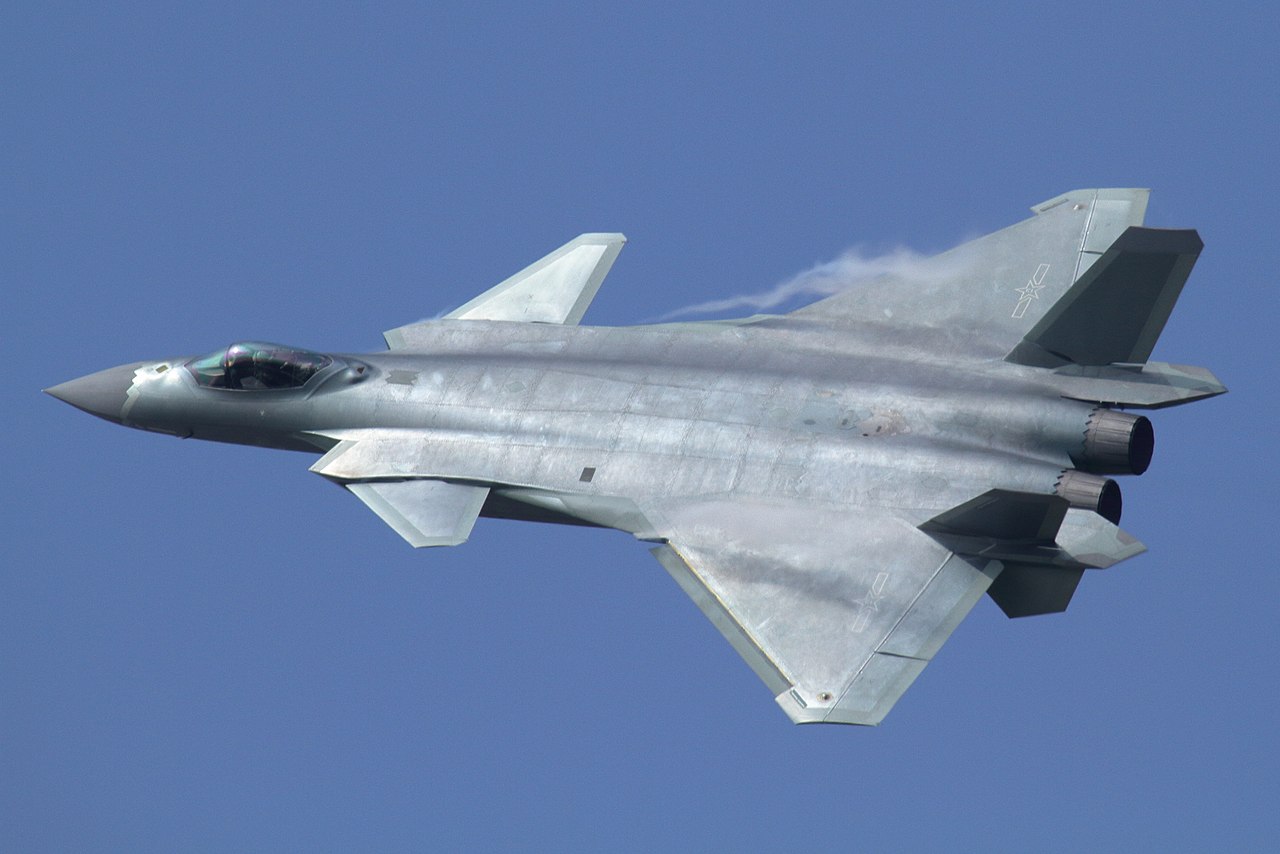
Xi Jinping and the Purge That Built an Army
The PLA that Xi Jinping inherited in 2012 was modernising, and the one he commands in 2026 is transformed. Part IV of the Unprepared series.
Reported by GNews: AFR energy. Read the original report ↗
Related coverage
Energy Minister Chris Bowen confirms EV and battery subsidies in firing line - AFR
Data centre giant lines up solar, wind and battery deal to power its plans for former smelter site - Renew Economy
Energy bills set to unleash hell on battling families - The Australian
Rio Tinto (ASX:RIO) Share Price: Bell Bay, Tomago and Boyne Power Deals Reset Australian Aluminium - Kalkine
The numbers, as they move
A short, sourced brief when the figures shift: a transmission blow-out, a supply-chain move, a milestone.