Saltfoss targets US licensing for floating power plant
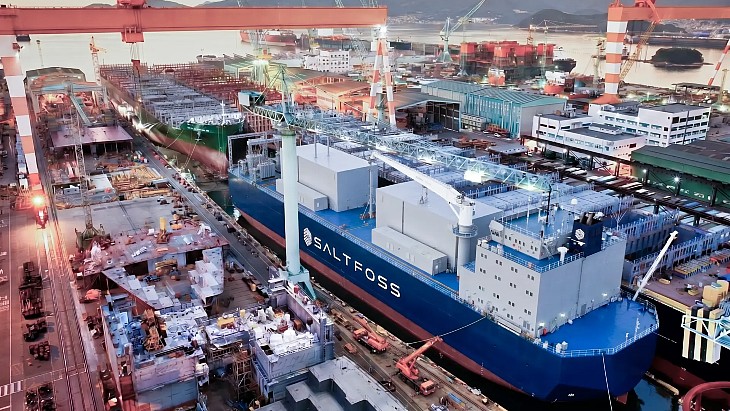
Saltfoss, a Danish developer of molten salt small modular reactors, has notified the US Nuclear Regulatory Commission of its intent to seek licensing under the NRC's new Part 53 framework. The company plans to submit its Regulatory Engagement Plan in the first quarter of 2027 and aims to be the first advanced reactor developer licensed under the new rules. Saltfoss will assemble reactors and integrate power plants at US facilities, while Samsung Heavy Industries in South Korea will manufacture the barges themselves.
Where this fits
This move tests whether advanced nuclear can clear regulatory hurdles faster than conventional plants, a necessary condition for nuclear to compete with renewables on deployment pace. The dual-hub manufacturing model, Korean hulls and shipbuilding, US reactor assembly, reflects a deliberate hedging of supply-chain risk: Saltfoss is building allied partnerships rather than depending on a single supply source. This contrasts sharply with solar and battery manufacturing, where China controls 80 percent of global capacity and supplies critical minerals processing; the article itself names Samsung and US suppliers as the backbone of Saltfoss's production.
What it means
If Saltfoss reaches deployment, it demonstrates a firm, dispatchable power source can be manufactured within allied supply chains and licensed within a reasonable timeframe. Australia has no molten salt or advanced reactor development program and remains locked out of nuclear by law; the technology Saltfoss is proving up will be available to the US, Korea, and allied nations while Australia continues to rely on weather-dependent renewables paired with gas firming and Chinese battery imports. The sovereignty question is whether Australia will remain dependent on an adversary's supply chain, or whether the legal and regulatory barriers to firm, allied-sourced power will shift before that dependence becomes a strategic liability.
Go deeper on the numbers
The bigger picture
Energy security is national security. This connects to the wider case at Unprepared: Australia's dependence on a strategic rival, and how ready it is for the world that is coming.
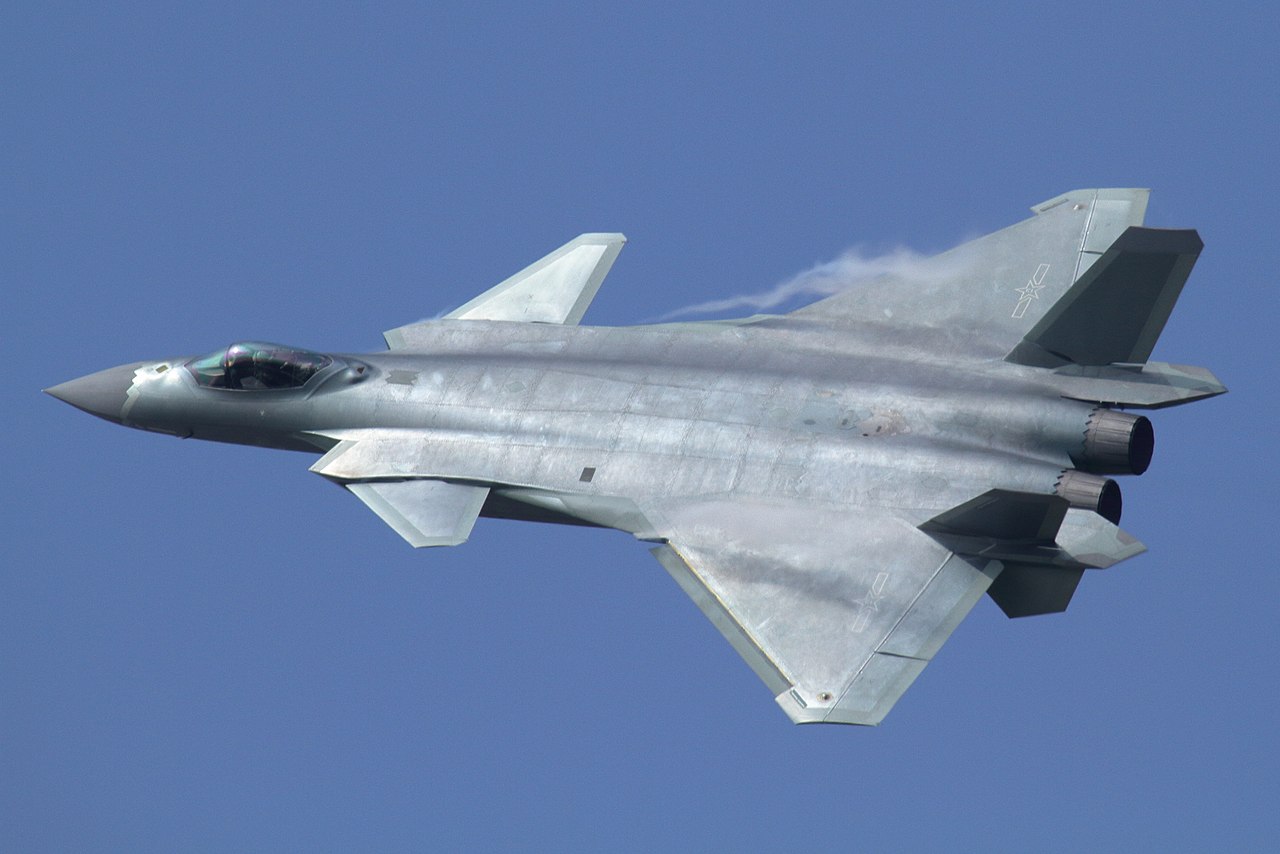
Xi Jinping and the Purge That Built an Army
The PLA that Xi Jinping inherited in 2012 was modernising, and the one he commands in 2026 is transformed. Part IV of the Unprepared series.
Reported by World Nuclear News. Read the original report ↗
Related coverage
Paladin targets 2031 uranium production with $525m raising - Australian Resources & Investment
$3.9b uranium player Paladin looks to raise $525m - AFR
Data centres revive Coalition passion for nuclear power, but this time more expensive and even less realistic - Renew Economy
Russia proposes carbon credits framework for SMRs
The numbers, as they move
A short, sourced brief when the figures shift: a transmission blow-out, a supply-chain move, a milestone.