SMRs could be part of Port of Rotterdam's future, says study
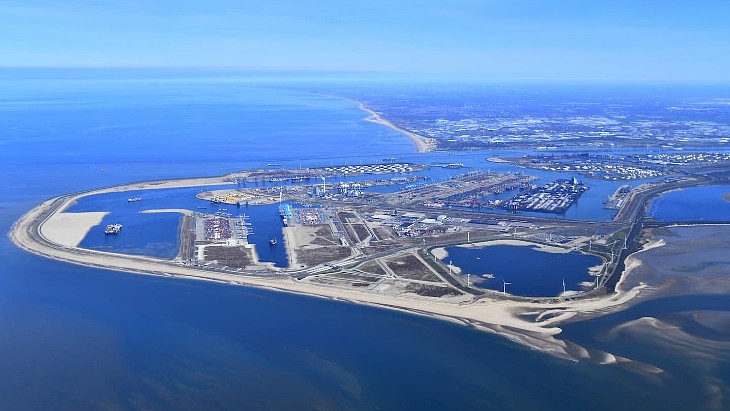
A study commissioned by the Port of Rotterdam and regional authorities has found that the port could play a role in the European small modular reactor supply chain. The research identified 92 companies in and around Rotterdam with capabilities relevant to SMR production, though the study emphasizes opportunities lie principally in non-nuclear components and services, transport, logistics, mechanical and electrical systems, specialized components and integrated modules, rather than in reactor manufacturing itself. The port's eventual role will depend on market development and ambition, with potential strategic functions ranging from a logistics hub to a centre for offshore and maritime nuclear applications.
Where this fits
This is a sovereignty and supply-chain story. Europe is building renewable capacity on solar panels and batteries sourced overwhelmingly from China's supply chain, which operates on coal power and is exposed to geopolitical leverage. A functioning European SMR ecosystem, rooted in existing industrial capacity at a major port, represents an alternative path to energy security: firm, low-emission power manufactured and deployed within European sovereign control. The study's finding that 92 companies already have relevant non-nuclear expertise means entry cost is lower than building a supply chain from zero.
What it means
Australia has neither a domestic nuclear manufacturing base nor serious plans to build one. As Europe moves to secure its SMR supply chain at scale, Australia remains locked into dependence on China for solar panels, batteries and inverters, the physical substrate of a renewables-only grid. The choice is not between a European SMR economy and an Australian renewable economy; it is between a self-reliant firm-power grid and permanent strategic vulnerability in the supply chains that underpin it.
Go deeper on the numbers
The bigger picture
Energy security is national security. This connects to the wider case at Unprepared: Australia's dependence on a strategic rival, and how ready it is for the world that is coming.

Xi Jinping and the Purge That Built an Army
The PLA that Xi Jinping inherited in 2012 was modernising, and the one he commands in 2026 is transformed. Part IV of the Unprepared series.
Reported by World Nuclear News. Read the original report ↗
Related coverage
Paladin targets 2031 uranium production with $525m raising - Australian Resources & Investment
$3.9b uranium player Paladin looks to raise $525m - AFR
Data centres revive Coalition passion for nuclear power, but this time more expensive and even less realistic - Renew Economy
Russia proposes carbon credits framework for SMRs
The numbers, as they move
A short, sourced brief when the figures shift: a transmission blow-out, a supply-chain move, a milestone.