Snowy 2.0 costs $25bn – but will save just $7bn - The Australian

The cost of Snowy Hydro 2.0 has blown out to $25 billion, while the projected savings to consumers amount to only $7 billion over the project's lifetime. That is a net cost to the public of $18 billion for a scheme that was promised as an economic no-brainer when first backed by government.
Where this fits
Snowy 2.0 is the poster child for the hidden system cost of a renewables-heavy grid. Pumped hydro is expensive firming infrastructure, built to store and release power when the sun is not shining and the wind is not blowing. The blowout shows that firm dispatchable power, whether hydro, nuclear, or gas, does not come cheap. Australia is committing tens of billions to add the firming capacity that a variable renewable fleet demands, while the firm power alternative, nuclear, is banned by law. The cost of the transition is not borne by the price of the solar panel or the wind turbine; it is borne by the grid backbone you have to build to make them work.
What it means
An $18 billion net cost is a tax on energy affordability paid by all consumers to enable renewable penetration. That burden will grow as more variable capacity is added and more firming infrastructure must follow. Australia is locked into the path of highest whole-system cost while the lowest-emission firm alternative sits off the table, and the supply chains for panels, batteries and processing remain in Chinese hands.
By the numbers
enough for 15–23 TWh a year of firm, always-on power, generating for ~60 years. Source: CSIRO GenCost 2024-25 (A$8.5–13.2bn/GW), IAEA capacity factor.
Figures are indicative conversions from the article's stated quantity using published cost, material and capacity factors (CSIRO GenCost, BNEF, IEA, IAEA). Ranges, not precise forecasts.
Go deeper on the numbers
The bigger picture
Energy security is national security. This connects to the wider case at Unprepared: Australia's dependence on a strategic rival, and how ready it is for the world that is coming.
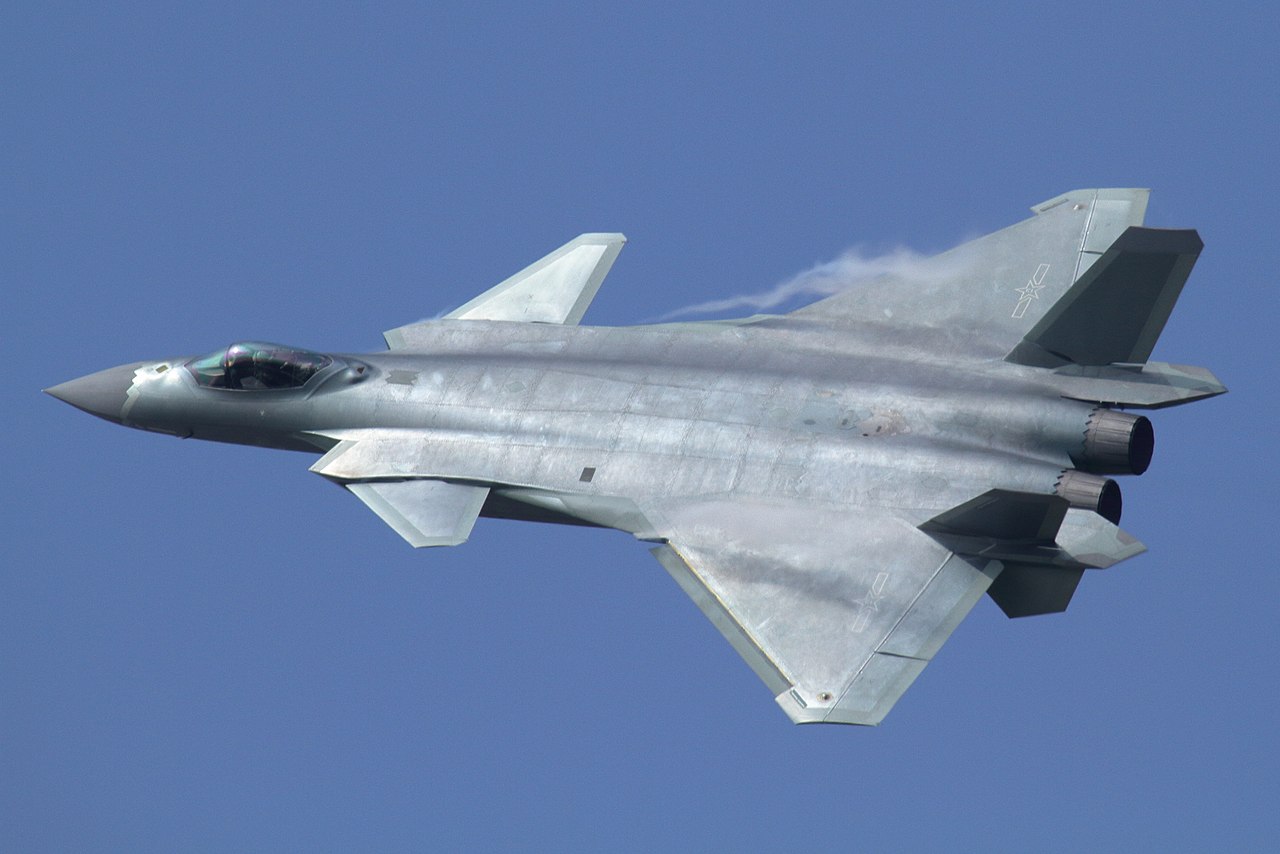
Xi Jinping and the Purge That Built an Army
The PLA that Xi Jinping inherited in 2012 was modernising, and the one he commands in 2026 is transformed. Part IV of the Unprepared series.
Reported by GNews: AU electricity prices. Read the original report ↗
Related coverage
Energy Minister Chris Bowen confirms EV and battery subsidies in firing line - AFR
Data centre giant lines up solar, wind and battery deal to power its plans for former smelter site - Renew Economy
Energy bills set to unleash hell on battling families - The Australian
Rio Tinto (ASX:RIO) Share Price: Bell Bay, Tomago and Boyne Power Deals Reset Australian Aluminium - Kalkine
The numbers, as they move
A short, sourced brief when the figures shift: a transmission blow-out, a supply-chain move, a milestone.