SWIS network operator deploys dynamic system to control power ‘speed limits’
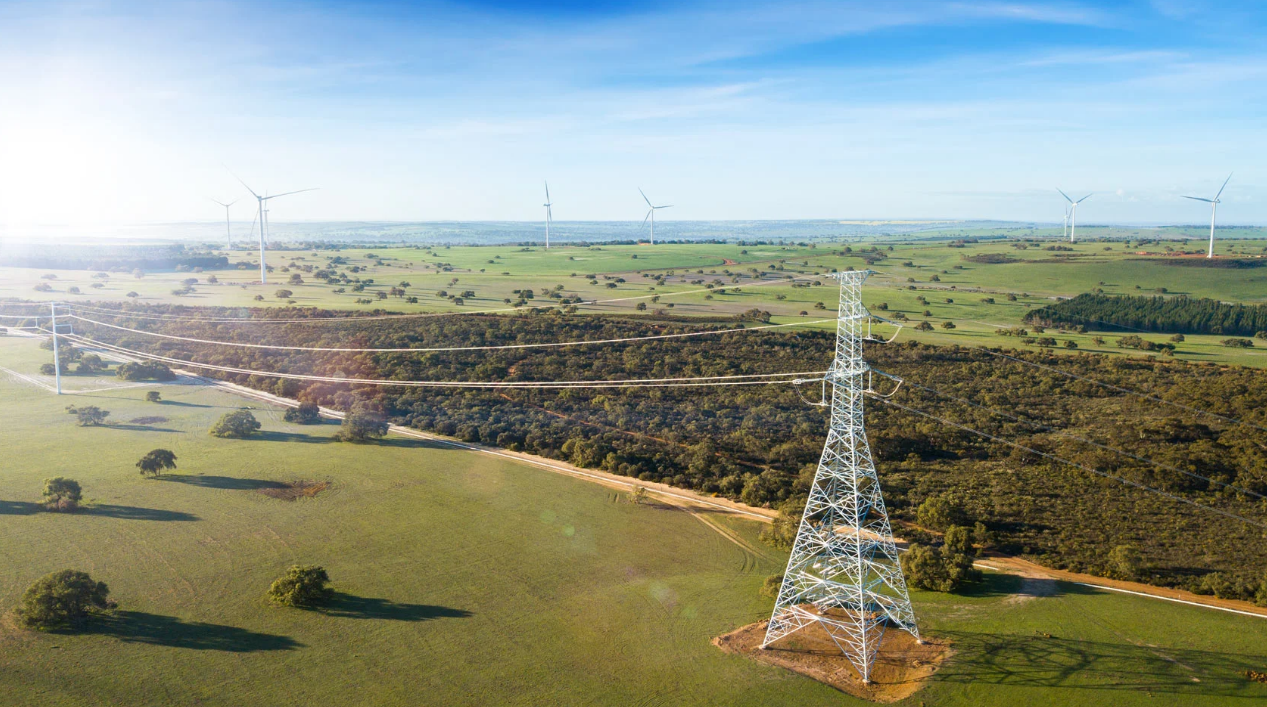
Western Power has deployed a dynamic line rating (DLR) system on selected transmission lines in Western Australia's South West Interconnected System. The system uses real-time weather data and solar irradiance readings to adjust how much power each line can safely carry, replacing static capacity ratings based on worst-case assumptions. Western Power says this allows transmission lines to accept more power from renewable generators, particularly during evening peak demand when solar irradiance is lower. The system is now live on a subset of lines, with results to inform wider rollout.
Where this fits
DLR is a transmission optimisation tool that squeezes more throughput from existing infrastructure. It does not address the core problem Energy Realism has identified: a renewables-heavy grid requires both overbuild of transmission to handle weather volatility and firm dispatchable power to cover the gaps. DLR makes the renewables grid marginally more efficient, but it is engineering around the constraint, not removing it. The real cost pressure remains: a weather-dependent system needs either gas plants running in standby, battery storage at scale (China-sourced), or firm nuclear generation. None of those costs disappear because one transmission line can now carry 5 per cent more power on a cool evening.
What it means
This is incremental grid housekeeping, not a solution to intermittency. It buys a little more capacity from existing wires, which is cheaper than new transmission. But Australia is still building a grid that depends on gas backup and imports of battery and inverter hardware from China. A firm, energy-dense alternative, nuclear, remains banned by law. DLR makes the renewables path slightly less wasteful. It does not make it complete.
Go deeper on the numbers
The bigger picture
Energy security is national security. This connects to the wider case at Unprepared: Australia's dependence on a strategic rival, and how ready it is for the world that is coming.
Xi Jinping and the Purge That Built an Army
The PLA that Xi Jinping inherited in 2012 was modernising, and the one he commands in 2026 is transformed. Part IV of the Unprepared series.
Reported by PV Magazine Australia. Read the original report ↗
Related coverage
What grid-forming kit are Australia’s largest solar–BESS hybrids using?
New four-hour battery storage proposal seeks federal green tick for Australia’s most renewable state grid
SA gives green light for gas to help power future data centres - ABC News & Headlines – Australian Broadcasting Corporation
Concentrated Solar Power (CSP) in Australia: Can It Work Alongside Rooftop Solar? - Energy Matters
The numbers, as they move
A short, sourced brief when the figures shift: a transmission blow-out, a supply-chain move, a milestone.