Today’s energy transition was built for a world of cheap money - AFR

The Australian Financial Review has reported that the energy transition model adopted by Australia and other developed economies was predicated on an era of low interest rates and cheap capital. As central banks have lifted rates to combat inflation, the financing costs of large capital projects, particularly wind, solar and battery infrastructure, have risen sharply. The article notes that the transition was designed around assumptions about cost of capital that no longer hold.
Where this fits
This is a cost story, and it cuts to the heart of the Energy Realism position. Renewables are cheap per megawatt-hour in isolation, but the whole-system bill includes firming, transmission overbuild, and now carries a financing load that was not priced into the business case. Higher capital costs also compound the materials and sovereignty problem: each battery, inverter and panel must now be financed at a higher rate, and those supply chains remain concentrated in China. Nuclear, by contrast, is capital-intensive but fuel-efficient and long-lived; its operating and financing costs flatten over decades. When capital is expensive, the case for a firm, low-material backbone strengthens.
What it means
Australia is now building a renewable grid on project finance that assumes higher interest rates indefinitely. That raises the real cost per megawatt-hour and extends payback periods, making it harder to retire aging coal plant on schedule or to add the transmission and firming capacity the grid actually needs. A grid dependent on weather and Chinese-supplied batteries is becoming more expensive to finance and more brittle to supply shock. The transition was costed for a world that no longer exists.
Go deeper on the numbers
The bigger picture
Energy security is national security. This connects to the wider case at Unprepared: Australia's dependence on a strategic rival, and how ready it is for the world that is coming.
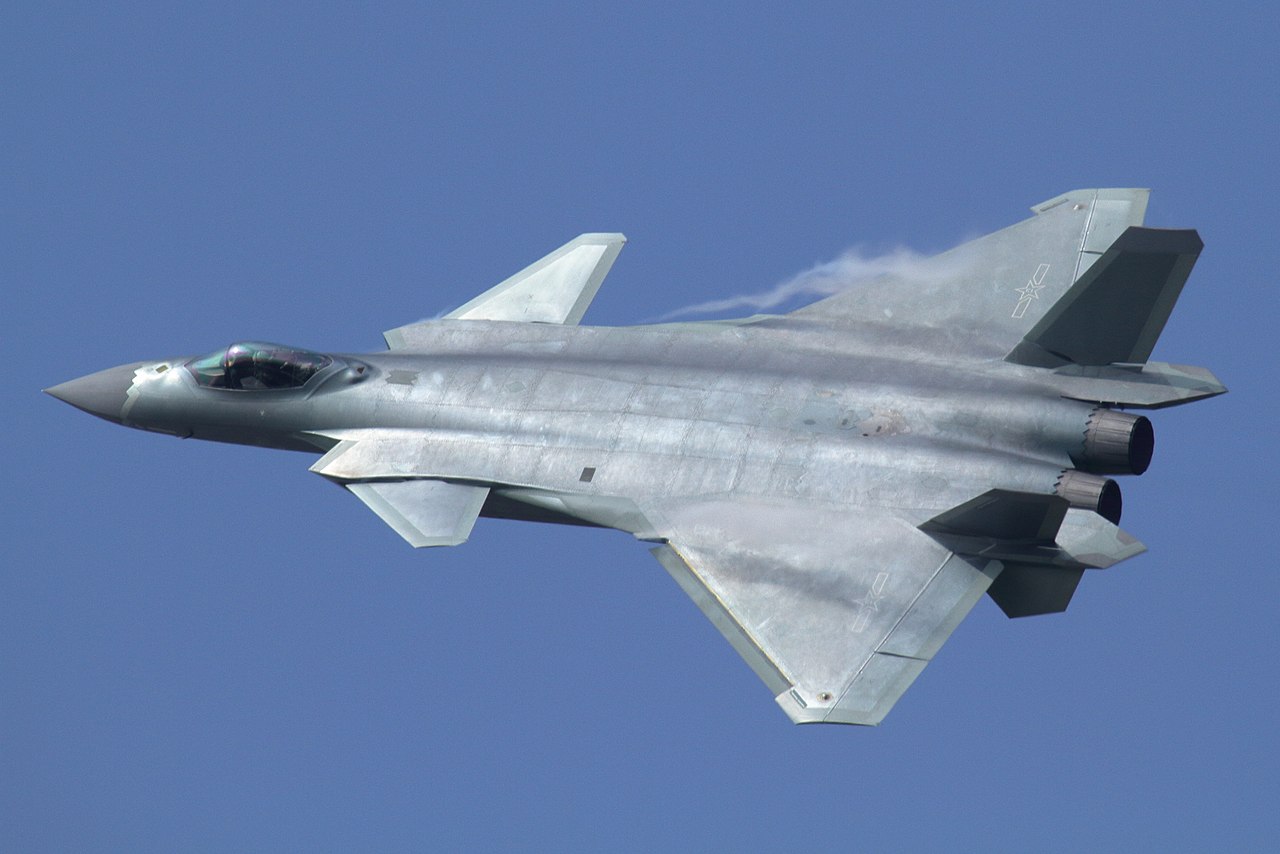
Xi Jinping and the Purge That Built an Army
The PLA that Xi Jinping inherited in 2012 was modernising, and the one he commands in 2026 is transformed. Part IV of the Unprepared series.
Reported by GNews: AFR energy. Read the original report ↗
Related coverage
Energy Minister Chris Bowen confirms EV and battery subsidies in firing line - AFR
Data centre giant lines up solar, wind and battery deal to power its plans for former smelter site - Renew Economy
Energy bills set to unleash hell on battling families - The Australian
Rio Tinto (ASX:RIO) Share Price: Bell Bay, Tomago and Boyne Power Deals Reset Australian Aluminium - Kalkine
The numbers, as they move
A short, sourced brief when the figures shift: a transmission blow-out, a supply-chain move, a milestone.