What Happens to Your Old Solar Panels Right Now?
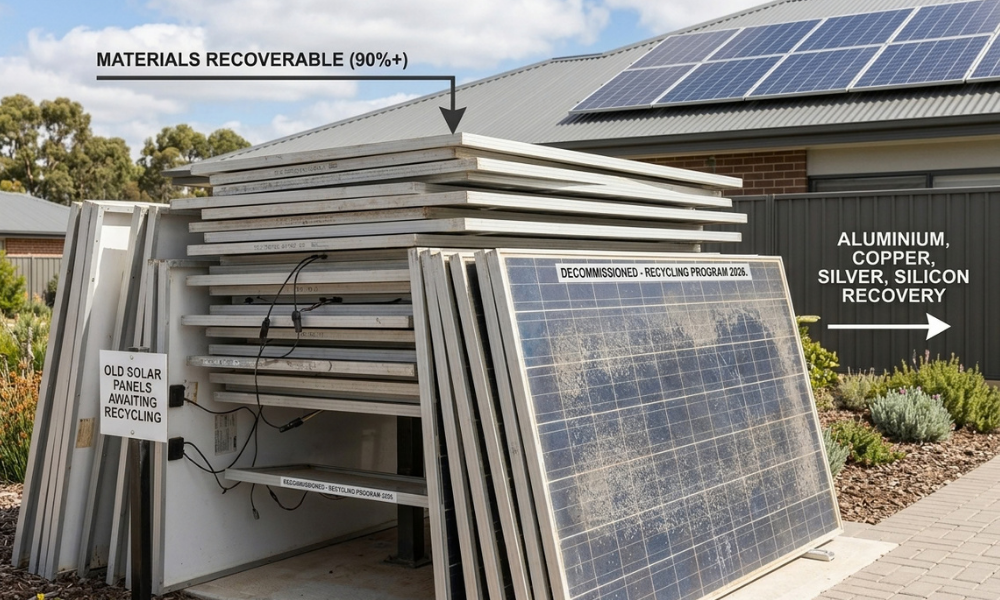
NSW has proposed mandatory solar panel recycling. The article describes current disposal pathways for end-of-life panels and outlines what responsible recycling looks like now.
Where this fits
This touches the materials and sovereignty pressure in Australia's renewable build. Solar panels installed at scale a decade ago are now reaching end of life. Recycling infrastructure is immature in Australia. Most panels are currently landfilled or sent offshore. The article does not quantify the economic cost of scaling domestic recycling, nor does it address the fact that panel manufacturing, and therefore the supply chain for recycling inputs (glass, silicon, metals), is dominated by China. A mandatory recycling scheme adds cost to the renewable transition. It also signals that the true materials footprint of solar, not just manufacture but end-of-life handling, has been undercosted in grid modelling.
What it means
Australia is building a renewables-heavy grid without having solved the back-end problem of panel waste. Mandatory recycling will raise the levelised cost of solar and extend the timeline for realising savings. More fundamentally, it underscores a pattern: the renewable transition outsources manufacturing risk and environmental burden to China, then discovers late that circular economy is harder than "clean energy" framing suggests. A firm, long-lived generation source like nuclear produces no bulk material waste and no recycling supply-chain dependency. Recycling mandates are sensible policy. They also add to the hidden cost of the renewables-only path and, once scaled, will put further pressure on a system already dependent on Chinese supply chains for panels, batteries, and the minerals those require.
Go deeper on the numbers
The bigger picture
Energy security is national security. This connects to the wider case at Unprepared: Australia's dependence on a strategic rival, and how ready it is for the world that is coming.
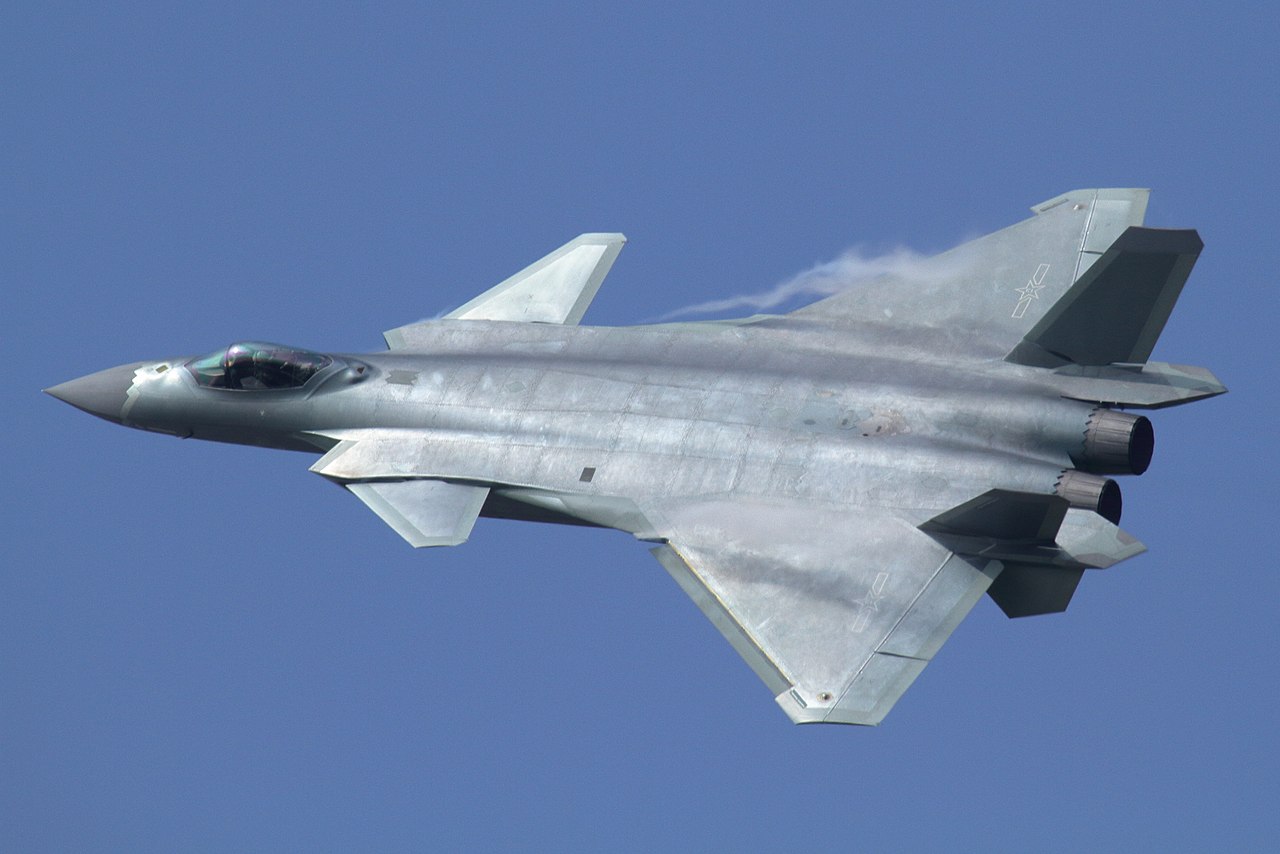
Xi Jinping and the Purge That Built an Army
The PLA that Xi Jinping inherited in 2012 was modernising, and the one he commands in 2026 is transformed. Part IV of the Unprepared series.
Reported by Energy Matters. Read the original report ↗
Related coverage
Three minute battery cell health check could transform recycling and second-life potential
Federal government cancels panel recycling pilot, considers ‘next steps’
Watt seeks “urgent advice” on next steps for solar recycling pilot after cancellation of tender... - Renew Economy
Victory, Curtin University team up on rare earth processing - Mining.com
The numbers, as they move
A short, sourced brief when the figures shift: a transmission blow-out, a supply-chain move, a milestone.