World’s first commercial nuclear power station prepares for decommissioning - Mining.com.au

Calder Hall in the UK, the world's first commercial nuclear power station, has begun preparations for decommissioning after nearly seven decades of operation. The station opened in 1956 and has since been shut down.
Where this fits
This is a data point on the lifespan and end-of-life cost of nuclear infrastructure. Calder Hall's 70-year run is precisely the kind of long-lived, firm generation that a renewables-heavy grid cannot replace. The decommissioning process is expensive and complex, but the station delivered reliable baseload power for seven decades without weather dependency or the need for storage. That longevity and firmness is what Australia's grid needs as renewable capacity grows; the alternative is to overbuild transmission and storage or accept increasing reliance on gas firming to cover wind and solar variability.
What it means
Australia is investing heavily in renewables and batteries while nuclear is banned by law. The decommissioning of Calder Hall shows that nuclear plants do eventually retire, but only after 70 years of service. By contrast, lithium-ion batteries degrade within 10 to 15 years and face end-of-life waste challenges at scale. A diversified, firm-power grid would hedge against long technology cycles and supply-chain concentration. Instead, Australia is locking in decades of dependence on China-made panels, batteries, and inverters, with no domestically controlled firm generation to steady the system when renewables underdeliver.
Go deeper on the numbers
The bigger picture
Energy security is national security. This connects to the wider case at Unprepared: Australia's dependence on a strategic rival, and how ready it is for the world that is coming.
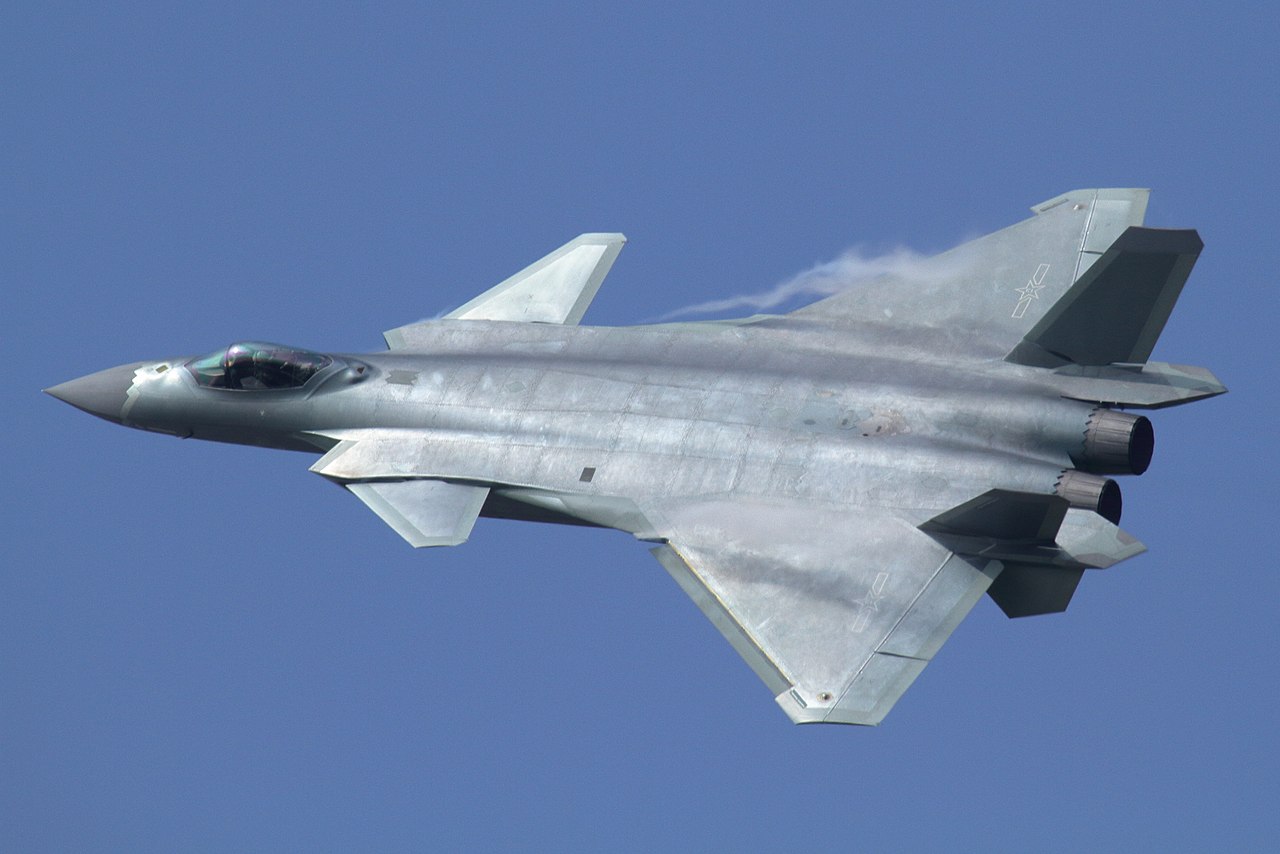
Xi Jinping and the Purge That Built an Army
The PLA that Xi Jinping inherited in 2012 was modernising, and the one he commands in 2026 is transformed. Part IV of the Unprepared series.
Reported by GNews: nuclear power AU. Read the original report ↗
Related coverage
Paladin targets 2031 uranium production with $525m raising - Australian Resources & Investment
$3.9b uranium player Paladin looks to raise $525m - AFR
Data centres revive Coalition passion for nuclear power, but this time more expensive and even less realistic - Renew Economy
Russia proposes carbon credits framework for SMRs
The numbers, as they move
A short, sourced brief when the figures shift: a transmission blow-out, a supply-chain move, a milestone.