A curated edition of the week's classified intelligence — the stories that moved Australia's preparedness across the eight pillars, and why each mattered.
Rudd's emphatic confidence in AUKUS delivery timeline and Trump's October endorsement reduce the probability of US alliance fracture or AUKUS collapse, directly strengthening Pillar 7 (Alliance) and Pillar 6 (Maritime Defence) resilience. The statement that first Virginia-class submarine will arrive by 2032 on schedule affirms a critical operational capability that underpins Australia's deterrence posture against PLA naval expansion.
The Quad's continued relevance to Indo-Pacific security is material to Australia's alliance pillar and strategic positioning in the Northern Arc, as it represents a key multilateral framework for managing Chinese power projection in the region. However, this article appears to be a generic strategic analysis without reporting concrete new developments in Quad capability, commitments, or Australian participation.
China's reiterated opposition to US arms supplies and military deployments signals escalating strategic competition in the Indo-Pacific and reinforces the Taiwan flashpoint as a potential kinetic conflict zone. This framing directly affects Australia's alliance posture (Pillar 7) and northern strategic arc positioning (Pillar 8), as US commitment to Taiwan and regional presence is foundational to AUKUS credibility and Australia's own deterrence calculus.
China's rebuke of Australian rare earths signals potential weaponisation of critical mineral supply chains, directly threatening Australia's Resource Sovereignty pillar and strategic Decoupling objectives. This development underscores Australia's vulnerability to PLA-adjacent economic coercion on materials essential to defence manufacturing and clean energy transition.
Japan's refresh of its FOIP framework signals sustained Indo-Pacific strategic coordination among US-aligned democracies, reinforcing the architecture within which Australia operates and reducing risks of great-power vacuum in the region. This development supports Australia's alliance posture and regional partnerships, particularly as a counterweight to Chinese strategic expansion in the Indo-Pacific.
The article argues that Australia has historically underestimated the strategic centrality of the Indian Ocean to its economic security and defence posture, particularly in light of ongoing Middle Eastern tensions affecting global trade routes and energy security. This framing reinforces the case for enhanced maritime defence capabilities and submarine investment (AUKUS), and suggests a policy shift toward greater Indo-Pacific presence—directly affecting Pillar 6 (Maritime Defence) and Pillar 7 (Alliance positioning).
Trump's Taiwan comments signal potential US commitment uncertainty, directly bearing on Australia's alliance pillar and Taiwan contingency planning. The US-China 'strategic stability' messaging and reported stalling tactics suggest a period of managed competition rather than escalation, but also underscore the fragility of the Indo-Pacific security architecture upon which Australian preparedness depends.
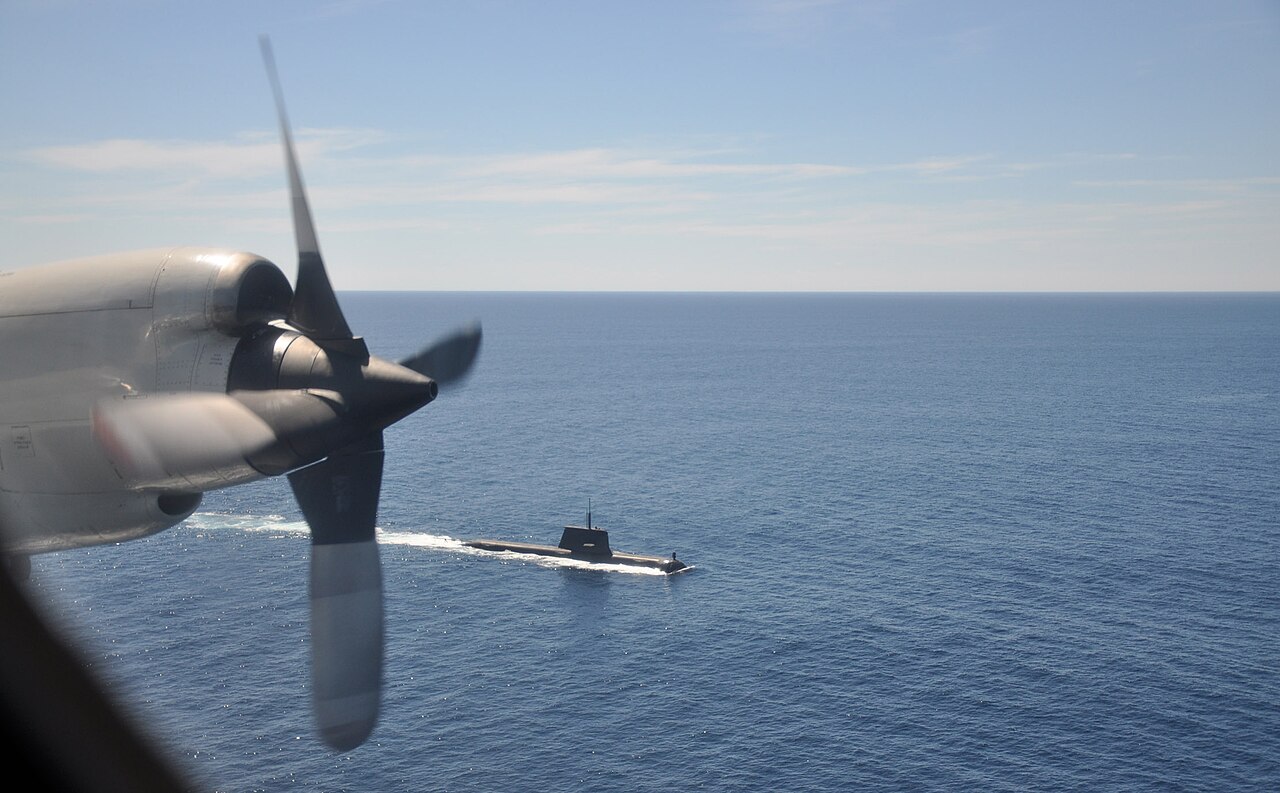
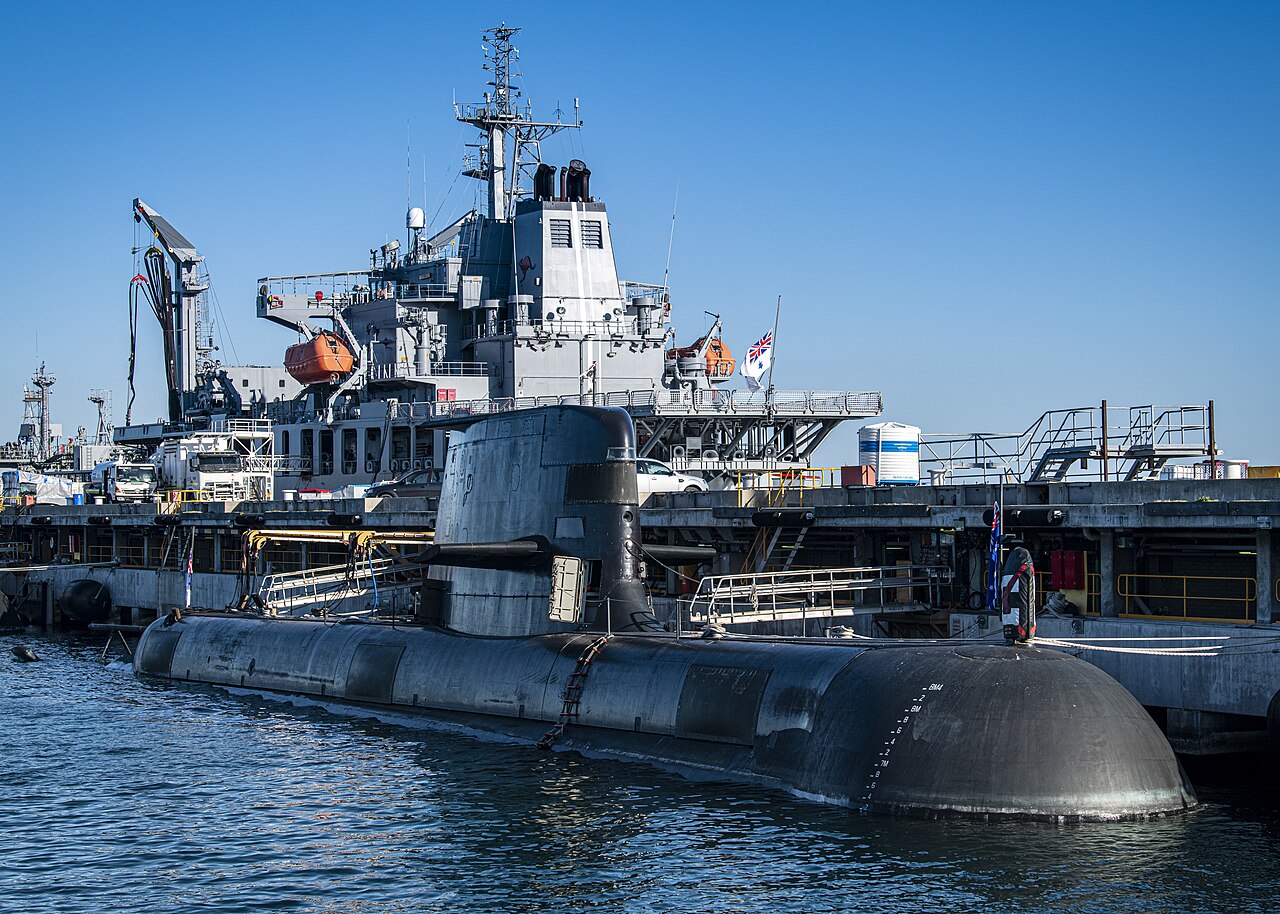
Public demonstration of Australian submarine capability development at IODS26 signals progress on Attack-class submarine programme and AUKUS commitments, reinforcing deterrent posture in Indo-Pacific. Visibility of submarine modernisation strengthens alliance messaging and demonstrates concrete steps toward regional maritime defence capability.
A CSIS roundtable explicitly focused on how Australia is perceived in Washington strategic circles during US Indo-Pacific recalibration signals that Australian alliance credibility and positioning is being actively assessed at the highest US policy level. The event's emphasis on 'emerging challenges' and 'strengthen[ing] ties' in a 'rapidly changing' environment suggests Washington believes the bilateral relationship requires intentional reinforcement—a tacit indicator that the alliance is not on autopilot and that Australia's strategic leverage may be eroding without active management.
A 'marquee' joint US-Australia military project announcement signals concrete AUKUS implementation and deepens alliance integration in Indo-Pacific security, likely involving advanced capability (possibly submarine or missile-related given the Singapore venue and timing). This represents material progress on pillar 7 (Alliance) and pillar 6 (Maritime Defence) commitments, reinforcing deterrence posture against Chinese power projection.
The article signals continued AUKUS momentum and allied focus on nuclear-powered submarine stewardship and Indo-Pacific security governance ahead of a major regional defence conference. Effective nuclear stewardship and AUKUS cohesion directly underpin Australia's maritime defence posture and alliance credibility in the Indian Ocean, critical to countering PLA expansion.
The article signals a shift from bilateral US hub-and-spoke security architecture to a multilateral allied security web in the Indo-Pacific, which directly strengthens Pillar 7 (Alliance) and Pillar 8 (Northern Arc) by institutionalizing partnerships beyond traditional US-Australia ties. This architectural evolution reduces Australian strategic vulnerability to American withdrawal scenarios and reinforces the AUKUS framework and broader coalition resilience.
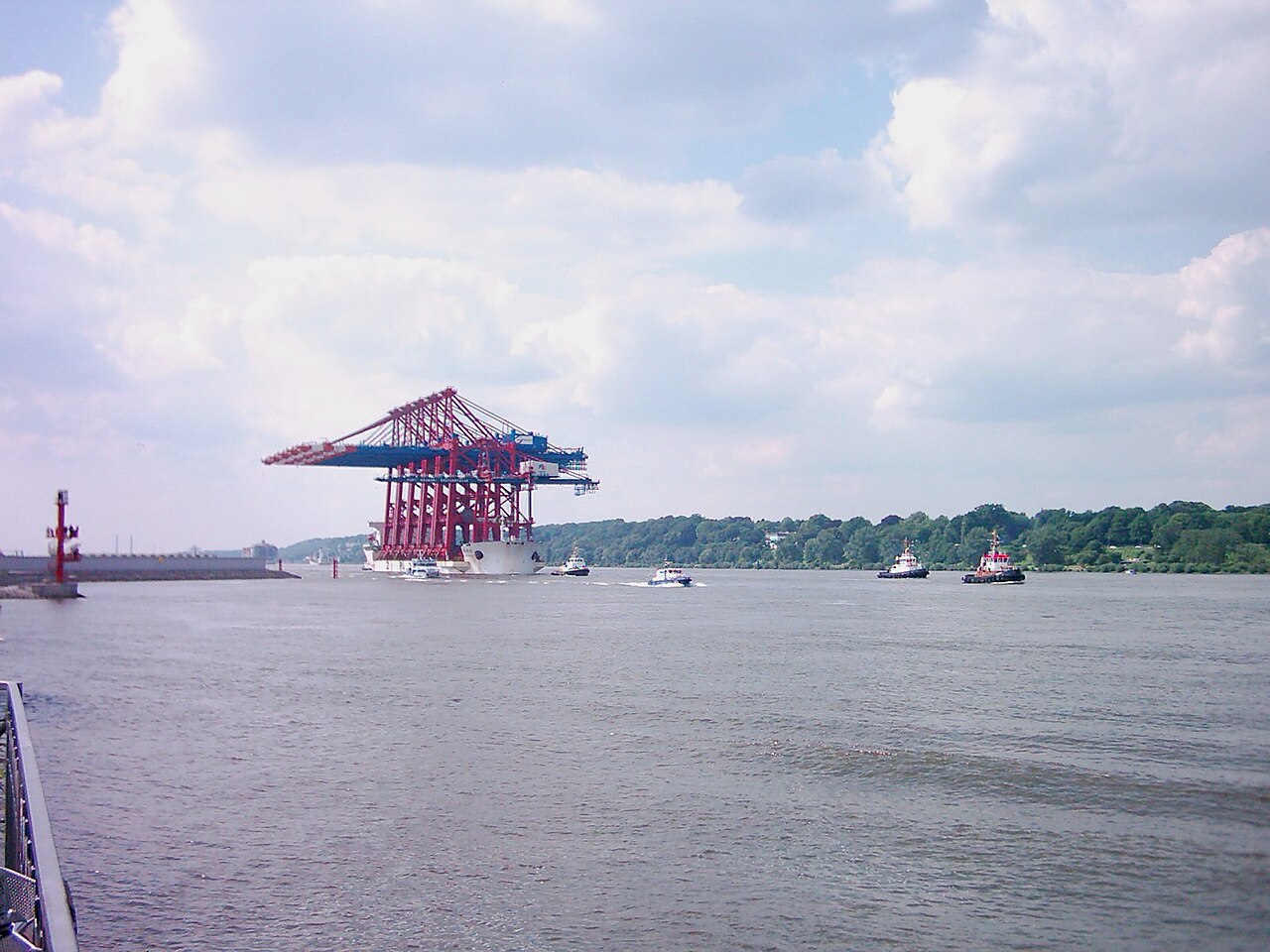
The US enforcement action against Chinese shipping container manufacturers disrupts a cartel that inflated global supply-chain costs during COVID-19, reducing future leverage China could exert over containerised trade flows critical to Australian exports and imports. This supports Australia's strategic decoupling agenda and reduces vulnerability to Chinese supply-chain manipulation, though the impact is modest given most executive defendants remain at large.
GNews: China sanctions trade · 2026-05-19source ↗P2P5P7
China's accelerated development of alternative financial systems in response to U.S. sanctions reduces Washington's ability to weaponise the dollar-denominated global financial system, weakening a key lever of U.S. strategic coercion that Australia relies on indirectly to constrain Chinese economic aggression. This de-dollarisation trajectory increases the risk that Chinese economic statecraft—particularly resource and export dependencies—becomes harder for the U.S.-led West to counter, making Australia's decoupling efforts more urgent but also more difficult.
Australia's forced divestment order against foreign ownership of rare earths assets strengthens resource sovereignty and strategic decoupling from potential adversary control of critical minerals essential for defence, renewables, and advanced manufacturing. This represents concrete policy action to secure domestic control of resources vital to Australia's industrial base and reduces vulnerability to Chinese influence over supply chains.
The divestment order on Northern Minerals represents a concrete enforcement of Australia's resource sovereignty policy against Chinese capital control of critical minerals (Pillar 1). This demonstrates active decoupling in a strategically vital sector, though the article does not quantify the mineral volumes or economic value at stake.