All editions
The Dispatch·Weekly edition

7–13 September 2026

A curated edition of the week's classified intelligence — the stories that moved Australia's preparedness across the eight pillars, and why each mattered.

74 stories · classified & human-curated

Alliance

By peddling AUKUS and the China 'threat', Kevin 07 shows his very different vision of Australia - Crikey

Alliance
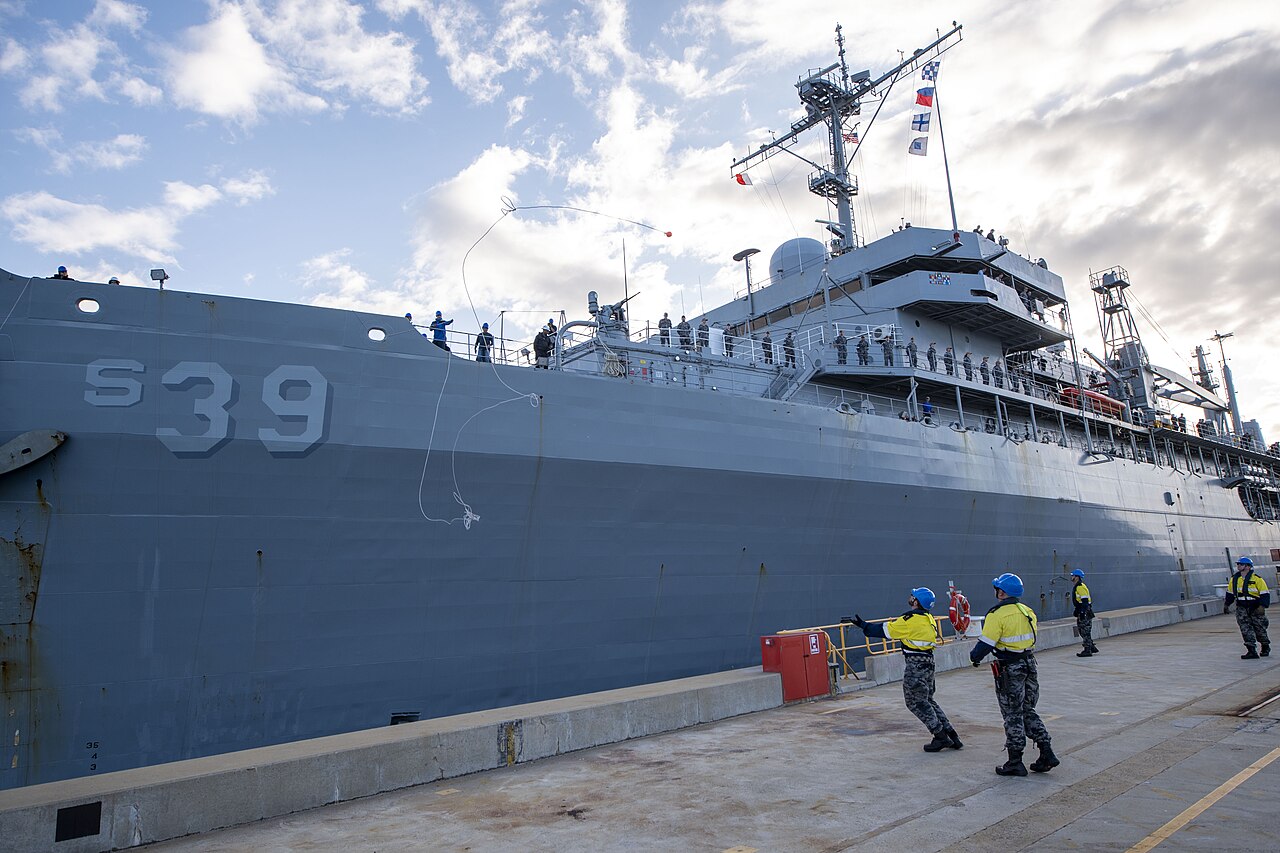
U.S. Navy / MC2 Jeanette Mullinax (public domain)

Rudd's public positioning on AUKUS and the China threat signals continuity of bipartisan support for Australia's alliance posture and submarine modernisation, counteracting narratives that frame AUKUS as divisive. This matters because sustained political backing from across the aisle is essential for the multi-decade AUKUS commitment to survive electoral cycles and fiscal pressures.

GNews: AUKUS·2026-09-13P6P7Full story
Dispatch
Kaarenmax19 / Wikimedia Commons (CC BY-SA 4.0)
Dispatch

Whyalla's imminent blast furnace call could hit hundreds of jobs

Whyalla's blast furnace closure would erode Australia's domestic steel production capacity and manufacturing base at a moment when industrial resilience and supply-chain autonomy are critical to defence self-sufficiency and decoupling from China. Loss of integrated steelmaking capability reduces Australia's ability to manufacture defence-critical platforms and materials domestically, forcing reliance on imports during periods of tension or supply disruption.

ABC News · 2026-09-13P3P1
Australia · Defence
U.S. Army / Aliyah Harrison (public domain)
Australia · Defence

‘Alarming’: China-linked firm on ADF security panel - The Australian

The presence of a China-linked firm on an ADF security panel represents a direct penetration of Australia's defence governance, undermining Pillar 7 (Alliance) by damaging trust with Five Eyes partners and Pillar 5 (Decoupling) by failing to enforce Chinese corporate exclusion from defence-critical roles. This weakens both operational security against cyber espionage and allied confidence in AUKUS compartmentalisation, two prerequisites for Australian strategic autonomy.

GNews: The Australian · 2026-09-13P7P5
Alliance
Alliance

Key Trump adviser confident Australia would join US ‘in a good fight’ - SMH.com.au

Public reassurance from a key Trump adviser about Australia's reliability as an ally directly bears on Pillar 7 (Alliance) confidence and AUKUS credibility during a transition to a new US administration. This counters uncertainty about US commitment to Indo-Pacific partners and provides diplomatic validation of the Australia-US relationship at a critical juncture.

GNews: AUKUS · 2026-09-13P7
Australia · Energy
NASA image by Jesse Allen, using data provided courtesy of the MODIS Rapid Response team at Goddard Space Flight Center. / Wikimedia Commons
Australia · Energy

New attacks in Hormuz and Saudi Arabia test nerves as war’s spread worsens oil disruption

The article reports active, escalating kinetic attacks on critical energy infrastructure in the Strait of Hormuz—the world's largest chokepoint for oil and LNG. Australia depends heavily on stable energy imports via Hormuz; sustained disruption or closure would immediately threaten fuel reserves (diesel, jet, LNG) and impose severe fiscal and operational costs on the ADF and civilian economy, directly undermining Resource Sovereignty (Pillar 1) and Fiscal Engine (Pillar 2). Postponement of diplomatic de-escalation talks signals the conflict is hardening rather than resolving, materially raising the probability of extended disruption.

South China Morning Post · 2026-09-13P1P2
Australia · Defence
Kecko from Switzerland (Rheintal SG) / Wikimedia Commons (CC BY 2.0)
Australia · Defence

ANAO releases Land 400 report - Australian Defence Magazine

The ANAO audit of Land 400 (a major ADF ground-vehicle modernisation program) provides accountability oversight of Australia's industrial-base and defence-procurement performance. Audit findings that expose delays, cost overruns, or capability gaps in domestic/allied manufacturing directly inform the health of Pillar 3 (Industrial Base) and Australia's ability to sustain force-structure timelines.

GNews: Australia defence · 2026-09-13P3
Alliance
PenumbraLpz / Wikimedia Commons (Public domain)
Alliance

‘A shambles’: UK delays decision on AUKUS subs - The Australian

AUKUS submarine delivery is Australia's central hedge against PLA undersea dominance and critical to Alliance credibility in the Indo-Pacific. A UK delay—especially from the lead partner on submarine technology transfer—undermines confidence in the program's feasibility, increases slippage risk past 2045, and signals fracture in the Western coalition's willingness to sustain high-cost commitments to Australian deterrence.

GNews: AUKUS · 2026-09-13P7P6
Alliance
U.S. Navy photo by Petty Officer 1st Class Vanessa White / Wikimedia Commons (Public domain)
Alliance

Australia needs nuclear submarines – but not AUKUS - Pearls and Irritations

This opinion article challenges the AUKUS nuclear submarine commitment—Australia's primary modernization pathway for maritime deterrence and undersea capability. Dissent on the AUKUS model from credible Australian voices signals political fragility around the programme, which already faces technical and cost pressures; erosion of consensus increases risk of delay, scope-cut, or substitution, directly threatening Pillar 6 (Maritime Defence) delivery timelines.

GNews: nuclear submarine · 2026-09-13P3P6P7
China · Military
President (1933-1945 : Roosevelt). Map Room. 1/1942-4/1945 / Wikimedia Commons (Public domain)
China · Military

For China, H-6N bomber enhances nuclear deterrence and second-strike capability

China's completion of a credible nuclear triad—particularly the operational demonstration of an air-launched ballistic missile on its H-6N strategic bomber—materially hardens Beijing's ability to deter US/allied intervention in Taiwan and the broader Indo-Pacific. For Australia, this shifts the strategic calculus underlying AUKUS, alliance cohesion, and the credibility of extended deterrence, narrowing the window in which conventional maritime superiority remains the decisive factor in a Taiwan crisis.

South China Morning Post · 2026-09-13P6P7P8
The rest of the week
Alliance· 24

Why a China US war is Australia’s strategic nightmare - The Australian

GNews: The Australian · 2026-09-13source ↗P6P7P8

An article explicitly identifying China–US kinetic conflict as Australia's 'strategic nightmare' signals elevated threat perception by major Australian strategic commentariat and likely reflects or influences official Defence and government planning assumptions. This framing accelerates Australia's recalibration of defence posture, spending, and alliance reliance, reinforcing the case for AUKUS delivery and Regional Force Posture initiatives.

Paul Keating’s AUKUS hostility reflects his passion for hard‑nosed realism over subservience - Pearls and Irritations

GNews: AUKUS · 2026-09-12source ↗P7

Paul Keating's public criticism of AUKUS reflects persistent domestic political scepticism about the submarine program and alliance strategy, which could erode bipartisan consensus needed for long-term commitment. However, Keating's position as a former PM without current executive power does not directly alter AUKUS delivery timelines, funding, or partner commitment; it is rhetorical rather than decisional.

AUKUS — controversial, secretive but given a bipartisan blank cheque - Independent Australia

GNews: AUKUS · 2026-09-12source ↗P6P7

AUKUS has secured bipartisan political endorsement in Australia despite controversy and secrecy, indicating sustained parliamentary backing for the submarine programme and related defence investments. This removes a key domestic political risk to AUKUS delivery and signals to allies (US, UK) that Australia will meet its funding and institutional commitments regardless of electoral cycle.

Stormy seas yet to water down AUKUS as landmark looms - The Canberra Times

GNews: AUKUS · 2026-09-11source ↗P6P7

AUKUS submarine delivery is Australia's most material Indo-Pacific deterrent lever; political affirmation that the program survives external headwinds (industrial, budgetary, logistical) is a baseline requirement for Pillar 6 (Maritime Defence) and Pillar 7 (Alliance) credibility. Headline framing of resilience, rather than crisis, signals that a near-term milestone has held and reduces collapse risk.

Community Picnic and Conversation: Nuclear submarines in Port Kembla - Green Left

GNews: nuclear submarine · 2026-09-11source ↗P6P7

This article documents active AUKUS submarine integration planning at an Australian port, indicating the programme is advancing to operational-infrastructure stage. Public consultation and community picnics around nuclear submarine basing demonstrate domestic political consensus-building that may reduce parliamentary/social opposition to AUKUS timelines.

Experts look at AUKUS progress - The Australian Naval Institute

GNews: nuclear submarine · 2026-09-11source ↗P6P7

The Australian Naval Institute's review of AUKUS progress signals expert scrutiny of one of Australia's most critical defence commitments. Without the full text, the significance depends on whether experts identified concrete delivery risks, funding gaps, or capability shortfalls that would materially alter aukus_collapse or australian submarine-acquisition timelines.

UK sub chief rejects fears of AUKUS project delays - Adelaide Now

GNews: AUKUS · 2026-09-11source ↗P6P7

UK reaffirmation of AUKUS submarine delivery timeline is a direct signal to Australia that the Alliance pillar remains solid despite periodic programme-risk commentary. This matters because AUKUS Pillar I (submarines) is Australia's sole pathway to modern attack-submarine capability; any credible partner signal that delivery remains on schedule helps stabilise Australian defence planning and deterrent posture.

25 years since 9/11, has AUKUS made Australia stronger? - ABC News & Headlines – Australian Broadcasting Corporation

GNews: ABC News · 2026-09-11source ↗P6P7

This article is a retrospective framing of AUKUS within the 25-year strategic context since 9/11, examining whether the alliance has strengthened Australia. Without explicit data on capability delivery, funding decisions, or partner commitment shifts, it does not directly move pillar metrics or scenario probabilities. The headline's evaluative framing ('has AUKUS made Australia stronger?') suggests analysis of alliance value but does not report new concrete developments affecting submarines, spending, or AUKUS delivery timelines.

OPINION | AUKUS has put Australia's submarine effort back on track - Baird Maritime

GNews: Australia defence · 2026-09-10source ↗P6P7

AUKUS submarine transfer remains Australia's principal hedge against Chinese naval dominance in the Indo-Pacific and critical to Pillar 6 (Maritime Defence) and Pillar 7 (Alliance) credibility. Reaffirmation of programme momentum, even as opinion, reinforces partner commitment and reduces risk of schedule slip or funding withdrawal that would hollow Australia's mid-term deterrent posture.

‘Urgent’ call to review KPMG’s secret AUKUS work - The Australian

GNews: AUKUS · 2026-09-10source ↗P7P3

The article highlights potential governance and transparency issues within AUKUS contract oversight, specifically around KPMG's consulting work. Transparency and stakeholder confidence in AUKUS administration are foundational to sustained political support and alliance cohesion on the submarine program.

Bigger US military presence in Australia - The Australian Naval Institute

GNews: Australia defence · 2026-09-09source ↗P6P7

Increased US military presence in Australia strengthens the alliance pillar and maritime defence posture, signalling enduring US commitment to the Indo-Pacific and AUKUS partnership. This supports Australian defence interoperability and forward deterrence against PLA expansion, directly countering scenarios of US disengagement.

Australia's new envoy to Japan calls out China missile buildup and coercion - Nikkei Asia

GNews: China military · 2026-09-09source ↗P6P7

Australia's top diplomat in Japan is publicly calling out China's missile expansion and coercive behaviour, reinforcing the Indo-Pacific security narrative that shapes Australian alliance posture and defence investment. This diplomatic messaging strengthens the rationale for maritime defence capability (Pillar 6) and alliance coordination (Pillar 7) against Chinese military expansion.

Public inquiry in Australia exposes deep doubts about benefits of Aukus deal - South China Morning Post

GNews: AUKUS · 2026-09-09source ↗P6P7

Public parliamentary or government inquiries exposing domestic doubts about AUKUS directly threaten the political durability of Australia's most critical strategic commitment—submarine capability acquisition and alliance integration. If sustained public skepticism weakens political will, it could trigger funding cuts, delay delivery timelines, or trigger renegotiation, undermining Pillar 6 (Maritime Defence) and Pillar 7 (Alliance) simultaneously.

From Washington to Canberra – lessons for Australia-India defence cooperation

Perth USAsia Centre · 2026-09-09source ↗P3P7

Australia-India defence industrial partnership expands the allied manufacturing and capability base beyond AUKUS, reducing sole dependence on UK/US supply chains and bolstering regional alliance depth. This signals coalition-building in response to PLA capability growth and underpins long-term deterrence posture in the Indo-Pacific.

Southeast Asia’s Subtle Shift on Taiwan

Foreign Policy · 2026-09-09source ↗P5P7P8

Indonesia's joint exercises with China off Taiwan and Southeast Asia's broader diplomatic shift away from the US directly erodes the coalition of regional states that Australia depends on to constrain China's freedom of manoeuvre and underpin US Indo-Pacific strategy. A fracturing Southeast Asian consensus on Taiwan—the region's most strategically consequential flashpoint—weakens the political and military architecture that deters Chinese aggression and raises the risk that Australia faces a China emboldened by regional accommodation rather than regional resistance.

Japan, India and Australia hedge against a US Quad retreat - Nikkei Asia

GNews: Quad security · 2026-09-09source ↗P7P5

The article signals that Australia's closest Indo-Pacific partners assess a genuine risk of US military retrenchment, prompting them to build autonomous regional deterrence capacity. This reflects growing uncertainty about the US commitment to AUKUS and the Quad, a foundational assumption of Australian alliance strategy, and may accelerate Australian independent capability acquisition.

Paul Keating’s AUKUS hostility reflects his passion for hard-nosed realism over subservience - The Conversation

GNews: AUKUS · 2026-09-08source ↗P7

Paul Keating's high-profile criticism of AUKUS reflects ongoing domestic political division over the submarine strategy and Australia's alliance posture, which could fragment domestic support and complicate long-term programme consensus. However, the article is primarily a debate/commentary piece and does not report a concrete policy change, funding decision, or shift in partner commitment that would alter AUKUS delivery or Australia's defence standing.

Britain expands AUKUS agenda across underwater drones, artificial intelligence, nuclear submarines and defence-industrial capacity - Defence Industry Europe

GNews: AUKUS UK Britain · 2026-09-08source ↗P3P7

UK's broadening AUKUS agenda—extending beyond nuclear submarines into underwater drones, AI, and industrial capacity—signals sustained allied commitment to the architecture. This reinforces Pillar II integration and Australia's access to advanced defence technologies, directly supporting the industrial base and alliance pillars essential for Indo-Pacific deterrence.

Japan and Australia can be a model for middle-power cooperation

ASPI The Strategist · 2026-09-08source ↗P7P5

This article documents a maturing Australia–Japan alliance focused on rules-based regionalism, resilience, and autonomy — directly advancing Pillar 7 (Alliance) beyond the US bilateral. The FOIP framework and CPTPP precedent position Australia within a durable coalition of democracies, reducing strategic isolation if US Indo-Pacific commitments falter.

How Tokyo is widening regional defence ties to complicate Beijing’s Taiwan calculus

South China Morning Post · 2026-09-07source ↗P7P6

Japan's deepening Australia partnership, explicitly framed around Taiwan conflict preparedness, reinforces the allied coalition supporting Australia's strategic position and AUKUS credibility. The article directly confirms Australia's centrality to Indo-Pacific defence architecture and demonstrates third-country commitment to regional deterrence, which underpins Pillar 7 (Alliance) stability.

US military presence in Australia, mapped – video - The Guardian

GNews: Australia defence · 2026-09-07source ↗P6P7

The article documents and visualizes the extent of US military integration within Australia, affirming the material alliance infrastructure underpinning Pillar 7 (Alliance) and Pillar 6 (Maritime Defence). This public transparency about allied presence strengthens political and strategic buy-in for continued US engagement in the Indo-Pacific and Australia's defence partnerships.

An AI agenda for the India-Australia partnership

Lowy Institute · 2026-09-07source ↗P3P7P5

Australia's positioning as a regional AI data-centre hub and its industrial partnership with India on AI workloads strengthens Pillar 3 (Industrial Base) and Pillar 7 (Alliance) by creating alternative supply chains and technology partnerships outside China's sphere. This also supports strategic decoupling by building deeper technology co-investment with a Quad partner, reducing Australia's reliance on Chinese tech dependencies.

UN Resolution 2758: when interpretation becomes institutional power

ASPI The Strategist · 2026-09-07source ↗P7P8

Australia has explicitly challenged China's interpretation of UN Resolution 2758 as a matter of institutional integrity and Pacific agency. This article documents an emerging institutional contest over Taiwan's international legal status that threatens to erode Taiwan's diplomatic presence and strengthen coercive unification pathways, directly undermining both the Alliance pillar (US-led rules-based order) and Australia's Northern Arc strategic positioning. If China succeeds in reinterpreting the resolution to exclude Taiwan from UN forums, it weakens the international legal architecture Australia relies on to contest Beijing's claims and reduces Taiwan's capacity to resist pressure through non-kinetic means.

AUKUS has put Australia’s submarine effort back on track - The Strategist | ASPI's analysis and commentary site

GNews: AUKUS · 2026-09-07source ↗P6P7

AUKUS submarine delivery is Australia's flagship capability for countering PLA naval expansion and securing the Indo-Pacific balance. Confirmation that the programme is on track strengthens Pillar 6 (Maritime Defence) and Pillar 7 (Alliance resilience), reducing strategic vulnerability to Chinese naval dominance and hardening the US/UK commitment to Australian deterrence.
Australia · Defence· 19

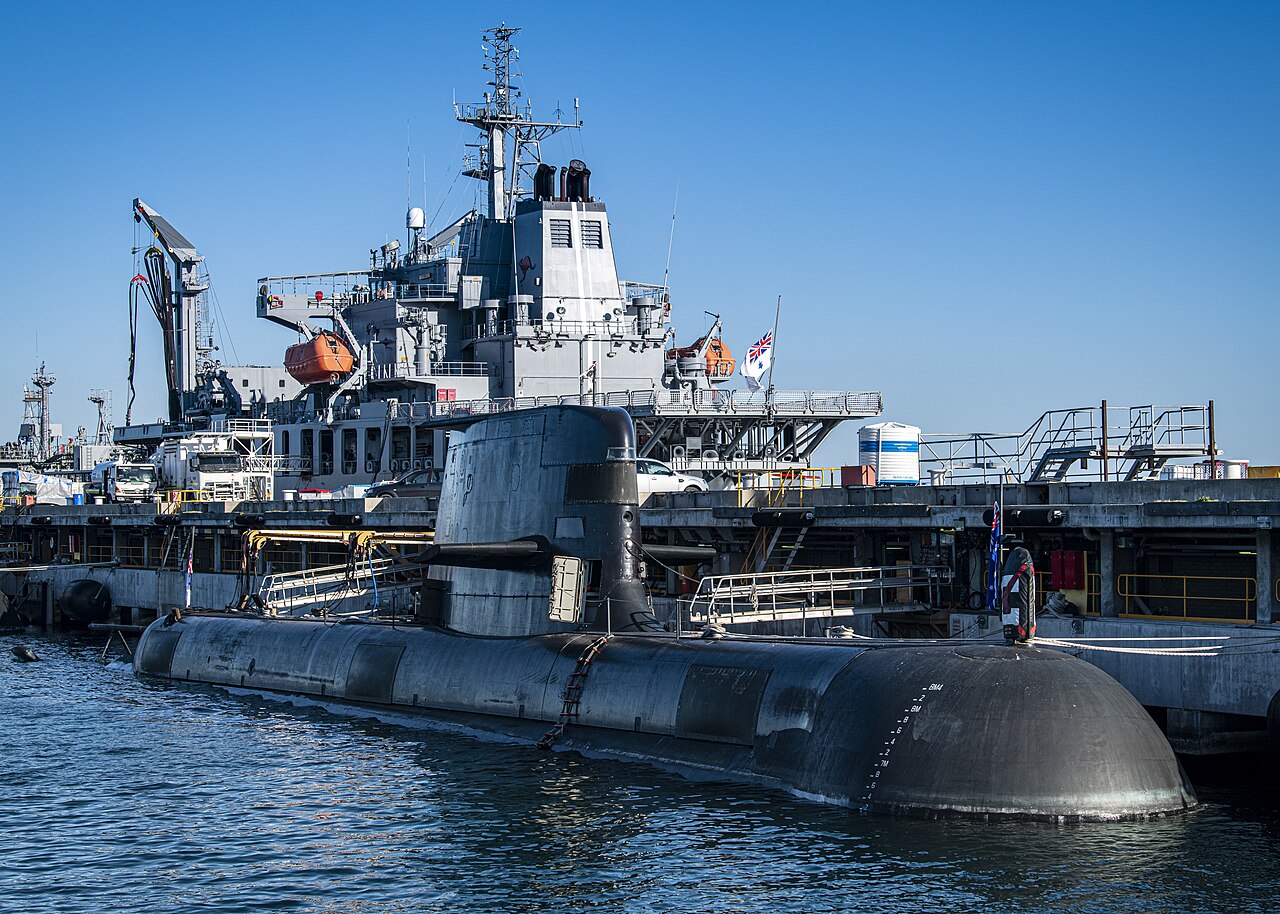
Growing pains in Rockingham before AUKUS subs even arrive - ABC News & Headlines – Australian Broadcasting Corporation

GNews: AUKUS · 2026-09-11source ↗P3P6P7

AUKUS submarine delivery is Australia's most critical Indo-Pacific capability modernisation; delays at the operational base compound schedule risk and signal execution fragility to partners. Infrastructure failures before platform arrival expose deeper industrial and civil-military coordination gaps that may ripple across the entire submarine programme and allied confidence.

Revealed: alarming China link to drone defence for our F-35 fighters - The Australian

GNews: Australia defence · 2026-09-11source ↗P3P5

The article exposes a critical supply-chain vulnerability in Australia's primary fighter fleet: reliance on Chinese-origin components in F-35 drone-defence systems undermines both Industrial Base resilience (Pillar 3) and strategic Decoupling (Pillar 5). This creates operational risk if China weaponizes supply chains or sanctions access, and highlights the deeper systemic problem that defence procurement cannot easily escape Chinese suppliers in critical subsystems—a structural impediment to security autonomy.

Rudd red alert: we’re on borrowed time - The Australian

GNews: The Australian · 2026-09-10source ↗P2P3P6P7

Kevin Rudd's public warning signals elite consensus that Australia faces an accelerating strategic crisis requiring urgent action on defence spending, industrial base, and alliance depth. This amplifies political pressure for AUKUS delivery, higher defence budgets, and rapid capability maturation — core programme outcomes.

‘Tripwire’: Ex-PM’s plan to stop China war - The Australian

GNews: The Australian · 2026-09-10source ↗P6P7P8

An ex-Prime Minister's publicly articulated deterrence strategy reflects elite consensus on the need for a credible 'tripwire' posture against Chinese coercion in the Indo-Pacific. If adopted into defence policy, such a framework could reshape Australia's force posture, alliance signalling, and maritime doctrine—directly affecting Pillars 6 (Maritime Defence) and 7 (Alliance).

Lockheed Martin secures $950M Australian air battle management contract

Breaking Defense · 2026-09-09source ↗P6P7

This A$1.32B contract directly strengthens Australia's maritime air-defence posture through upgraded battle-management software, sensor fusion, and cyber-hardened command-and-control architecture. The contract sustains a core pillar of ADF integrated-air-defence capability essential to coalition operations in a Taiwan strait crisis or PLA coercion scenario.

Labor commits billions to ‘unaffordable’ missile shield - The Australian

GNews: The Australian · 2026-09-09source ↗P2P3P6

This commitment represents a substantial fiscal allocation to air-defence and maritime-protection capability—directly addressing Pillar 6 (Maritime Defence) and Pillar 2 (Fiscal Engine). Large-scale missile procurement signals Australian intent to harden coastal defences and reduce reliance on allied umbrella coverage, substantiating deterrence posture against regional coercion.

Australia extends the capability of its Air 6500 IAMD system - Asian Military Review

GNews: Australia defence · 2026-09-09source ↗P6

Australia's extension of Air 6500 IAMD capability demonstrates sustained investment in integrated air and missile defence, a critical layer of the Indo-Pacific deterrent posture. Upgrade and sustainment of existing platforms signal programme health and industrial continuity in a key Maritime Defence pillar, reinforcing Australia's ability to defend against contemporary and emerging air threats in the region.

austal receives us$1.25-1.35 billion non-binding indication of interest from wildcat infrastructure to - company-announcements.afr.com

GNews: AFR · 2026-09-09source ↗P3P6

Austal is the cornerstone of Australia's naval shipbuilding industrial base and a critical AUKUS partner for future frigate, logistics, and autonomous-vessel platforms. A US$1.25–1.35 billion non-binding investment signal from a major infrastructure player strengthens sovereign manufacturing capability and de-risks AUKUS Pillar II delivery by reducing reliance on Australian public budgets alone.

Australia must defend its will to fight, not just its infrastructure

ASPI The Strategist · 2026-09-09source ↗P7P8

The article identifies a critical strategic vulnerability: only 50% of Australians report willingness to fight for their country despite widespread perception of Chinese military threat. This 'cognitive resilience' gap undermines Australia's ability to sustain protracted conflict, regardless of infrastructure or hardware readiness, and signals erosion of the social compact necessary for alliance mobilisation.

KPMG signed $5.2m Defence contract despite government ban - AFR

GNews: AFR · 2026-09-09source ↗P3P7

This article reveals governance failure in Australian Defence procurement oversight: a major consulting firm (KPMG) circumvented a government ban and secured a $5.2m contract, indicating weak enforcement and contractor accountability. Such breaches erode institutional integrity in defence supply-chain management and risk embedding unreliable or compromised expertise in sensitive capability-development programs, undermining pillar 3 (Industrial Base) governance and pillar 7 (Alliance) confidence in Australia's procurement discipline.

Australian Army procures next-gen military bridging capability - Asia Pacific Defence Reporter

GNews: Australia defence · 2026-09-08source ↗P3

Next-generation military bridging equipment is a direct enabler of force-projection and mobility across Australia's Indo-Pacific theatre, particularly critical for northern operations and island-hopping logistics in contested waters. This procurement signals sustained investment in the Industrial Base pillar and operationalising the ADF's manoeuvre capability in the region.

$6bn Osborne Nuclear Submarine Shipyard Construction Starts in Australia Targeting SSN-AUKUS fleet - Construction Review

GNews: nuclear submarine · 2026-09-08source ↗P3P6P7

This article reports the formal start of construction on Australia's dedicated nuclear submarine manufacturing facility, a cornerstone of AUKUS Pillar I commitments. The $6bn investment and physical infrastructure lock-in substantially de-risks the SSN-AUKUS submarine delivery schedule, directly strengthening Australia's maritime defence capability and alliance credibility with the US and UK.

To lift capacity and save money, shift some fighter training to turboprops

ASPI The Strategist · 2026-09-08source ↗P3P6

The article identifies a real capacity gap in RAAF fighter-pilot production and proposes a cost-efficient solution (turboprop LIFT) that aligns with modern air-combat realities. If adopted, this increases pilot throughput and reduces training costs, directly supporting Industrial Base (Pillar 3) and Maritime Defence operational posture (Pillar 6).

Queensland all in on ‘defence investment raid’ after high-level talks - AFR

GNews: AFR · 2026-09-07source ↗P3P2

Queensland positioning itself as a defence-investment hub signals state-level commitment to embedding AUKUS submarine manufacturing and defence supply-chain resilience. This supports Pillar 3 (Industrial Base) and Pillar 2 (Fiscal Engine) by deepening the domestic industrial moat required to sustain the attack-class submarine program and broader defence-technology localization.

Australia bets big on sovereign defence R&D - Asian Military Review

GNews: Australia defence · 2026-09-07source ↗P3P5

Sovereign defence R&D investment strengthens Australia's Industrial Base (Pillar 3) and reduces reliance on foreign supply chains, directly supporting strategic Decoupling (Pillar 5) in critical defence systems. This buffers against AUKUS delays and foreign technical constraints, improving long-term preparedness autonomy.

Autonomous Gauntlet gives glimpse into Australian Army robotics warfare - defenceconnect.com.au

GNews: Australia defence · 2026-09-07source ↗P3P8

The Autonomous Gauntlet exercise demonstrates Australian Army investment in robotic and autonomous warfare capability development, supporting industrial base modernisation and doctrinal adaptation to near-peer competition. This reflects capability hedging against future military disruption, though the exercise itself does not alter external actors' propensity to deploy AI-enabled systems or render existing platforms obsolete.

Construction of SA’s $8.5bn nuclear submarine shipyard kicks off - Indaily

GNews: nuclear submarine · 2026-09-07source ↗P3P6P7

The kickoff of South Australia's nuclear submarine shipyard is a critical milestone in AUKUS Pillar I implementation, cementing Australia's commitment to acquiring 12 Virginia/SSN-AUKUS class submarines and establishing sovereign submarine-manufacturing capability. This construction project directly strengthens Pillar 3 (Industrial Base) and Pillar 6 (Maritime Defence), reducing dependence on foreign naval platforms and building a skilled domestic workforce in advanced defence manufacturing.

Australia · Energy· 7

The Outlook Is Getting Grimmer By The Day For Oil Exports From The Red Sea

The War Zone · 2026-09-12source ↗P1P2P6

Australia imports ~90% of its liquid fuel and depends critically on stable Middle East oil/LNG flows through Hormuz and the Red Sea. This article reports the materialization of a dual-chokepoint closure scenario—Iran blocking Hormuz while Iranian-backed Houthis seize control of Bab al-Mandab—directly threatening Australia's fuel reserves and energy security. Without strategic fuel-reserve expansion or domestic production/renewable capacity, Australia faces acute supply vulnerability within months if these closures persist.

Don’t Blame Ukraine for High Gas Prices

Foreign Policy · 2026-09-11source ↗P1P2

Australia is energy-import dependent (especially fuel and LNG), and the article reports sustained crude prices >$100/barrel and $4.29 US gasoline amid Trump-Iran escalation. This signals erosion of Australian fuel-reserve adequacy and cost pressures on defence operations, transport, and grid stability—core vulnerabilities in Resource Sovereignty and Fiscal Engine. The Middle East geopolitical risk documented here directly threatens Australia's ability to sustain supply chains and maintain operational tempo if Hormuz becomes contested.

Why these big new AI data centres are set to escape new regulations

ABC News · 2026-09-10source ↗P2P8

Australia is building massive unregulated AI data-centre infrastructure that will consume substantial electricity without the safeguards intended by federal policy, increasing grid vulnerability and strain on the Fiscal Engine (Pillar 2) through rising energy costs and grid-resilience deficits. This regulatory gap undermines energy security and constrains Australia's capacity to respond to energy shocks (Hormuz closure, cyber attack on grid, climate extremes), a core Northern Arc strategic dependency.

Live: ASX set to fall as oil passes $US109 and bond yields surge

ABC News · 2026-09-10source ↗P1P2

Rising oil prices driven by Middle East conflict directly threaten Australia's fuel-reserve security (diesel and jet) and expose Resource Sovereignty and Fiscal Engine vulnerabilities. Australia's energy independence and defence operational readiness are contingent on stable hydrocarbon supply; sustained high prices or supply disruption would force drawdown of strategic reserves and increase energy-security risk.

Commodity prices near 18-year high, threatening global inflation

Nikkei Asia · 2026-09-09source ↗P1P2P5

High commodity and fuel prices boost Australian resource export revenues (Pillar 1: Resource Sovereignty), strengthening the fiscal engine short-term; however, the article's reference to a Hormuz stalemate and declining oil inventories signals tightening global energy supply and elevated risk of a closure scenario that would devastate Australian fuel reserves and grid stability. Australia's commodity exporters (BHP, Rio Tinto, Woodside) benefit, but energy-import dependence and strategic fuel stockpile adequacy face new pressure.

Iran Launches Massive Attack on Global Shipping

Foreign Policy · 2026-09-09source ↗P1P2P5

Iran's massive escalation of attacks on Hormuz shipping directly threatens Australia's energy security: approximately 30% of Australia's LNG exports and critical oil/diesel imports transit the Strait, and sustained closure would force emergency rationing of fuel reserves and sharply elevate domestic energy prices. This scenario collapses Resource Sovereignty and Fiscal Engine pillars simultaneously, since Australia relies on uninterrupted energy flows for both defence operations and economic stability.

Electrification of Australian mining is crucial for making the industry energy secure

ASPI The Strategist · 2026-09-09source ↗P1P3

Australian mining's dependence on imported diesel creates a critical vulnerability to supply-chain disruption. The article signals that without rapid electrification in the next 2–4 years, Australia risks locking in fuel-import dependence into the 2040s, undermining Resource Sovereignty (Pillar 1) and the fiscal stability that underpins defence capability.

China · Military· 5

What are the risks Australia faces if China attacks Taiwan? - ABC listen - ABC News & Headlines – Australian Broadcasting Corporation

GNews: ABC News · 2026-09-11source ↗P5P6P7

The article examines Australia's strategic exposure to a China–Taiwan kinetic conflict, touching on supply-chain disruption, military involvement risks, and regional destabilisation. However, as an analysis piece rather than a report of new Chinese military action or Australian policy response, it does not directly alter the probability of the triggering event (Chinese invasion decision), only Australia's awareness of consequences.

Sydney court jails Australian executive for aiding China’s intelligence gathering - Malay Mail

GNews: critical minerals · 2026-09-10source ↗P5P7

This conviction demonstrates China's active penetration of Australian business and professional networks to extract intelligence, a vector of espionage that sits between kinetic and cyber threats. The case signals both a vulnerability in Australia's counterintelligence posture and a real Chinese capability to cultivate human intelligence assets within Australia's private sector, undermining strategic autonomy and alliance trust.

China’s Warrior Scientists: Insights from Recent Operations Around Taiwan

War on the Rocks · 2026-09-08source ↗P6P7

The article documents an expansion of China's gray-zone operations around Taiwan using civilian assets—a tactic that raises the ambient level of coercion in the Indo-Pacific and demonstrates PRC willingness to normalize military-grade pressure on a neighbouring democracy. This directly bears on Australia's strategic environment: escalating Taiwan tensions threaten AUKUS logistics, potentially trigger US force commitments that strain Indo-Pacific security, and shift the balance toward either rapid kinetic crisis or successful coercive unification—both outcomes that would reshape Australia's alliance posture and regional leverage.

China piles pressure on Taiwan with new patrols off Pacific coast - The Japan Times

GNews: PLA navy · 2026-09-07source ↗P6P7P8

China's escalated military pressure on Taiwan signals willingness to operationalise force and test allied response, raising the kinetic-conflict risk in Australia's primary strategic theatre. Taiwan's security is foundational to the Indo-Pacific balance-of-power underpinning AUKUS and Australian maritime defence posture; escalation in the Strait directly erodes the stability assumptions in Pillar 7 (Alliance) and Pillar 8 (Northern Arc).

Washington-Canberra defense ties threaten regional stability: Experts - global.chinadaily.com.cn

GNews: Australia defence · 2026-09-07source ↗P7P5

This is a Chinese state media criticism of the Australia–US defence partnership framed as destabilising, reflecting Beijing's strategic messaging against AUKUS and allied cohesion in the Indo-Pacific. While it carries no new factual development (no capability cancelled, no funding withheld, no partner defection), it signals China's diplomatic counter to alliance deepening and may indicate increased PLA or political pressure on regional actors to resist Australian–US strategic coordination.

China · Economy· 3

China currency push targets Australia’s biggest commodity exports - AFR

GNews: AFR · 2026-09-13source ↗P1P5

China's strategic use of currency and trade leverage against Australia's largest commodity exports (iron ore, LNG, coal) directly erodes Resource Sovereignty (Pillar 1) and deepens Australia's economic exposure to Beijing's coercive actions. Sustained commodity-price suppression via Chinese state action undermines Australia's fiscal engine and limits sovereign fiscal capacity for defence investment.

Chinese miner takes Belt and Road to PNG with $453m gold deal - AFR

GNews: AFR · 2026-09-10source ↗P1P5

China's Belt and Road penetration into PNG mining deepens Beijing's economic and political leverage in Australia's near abroad, fragmenting the South Pacific and reducing Australia's relative influence over critical resource flows and regional alignment. This pattern of Chinese resource capture in the Pacific directly erodes Australia's resource sovereignty and regional strategic positioning as Beijing locks in commodity access through debt-financed infrastructure and long-term mining concessions.

Opinion | China Overplayed Its Hand on Critical Minerals - WSJ

GNews: critical minerals · 2026-09-08source ↗P1P5

Australia's Resource Sovereignty pillar and strategic decoupling depend critically on access to and diversification of critical mineral supply chains. An article arguing China miscalculated its chokehold on critical minerals suggests window-of-opportunity for Australia to secure alternative sources, invest in domestic extraction/processing, and reduce vulnerability to Chinese economic coercion.

Technology· 3

China is poised to lead in research on quantum technologies. Democracies must act

ASPI The Strategist · 2026-09-11source ↗P3P5P7

China's reported lead across 69 of 74 critical technologies—including quantum communication, post-quantum cryptography, and quantum sensors—indicates a closing window for democratic nations to retain technological parity in defence-critical domains. For Australia, this signals eroding technological sovereignty in areas foundational to future military systems, cyber-resilience, and alliance interoperability, requiring accelerated domestic R&D investment and tighter decoupling from Chinese research collaboration.

The war before the war: quantum, strategy and a closing window

ASPI The Strategist · 2026-09-10source ↗P3P8

The article argues Australia is misreading the quantum-sensing threat horizon and treating it as a technical problem (10+ years to fault-tolerant systems) rather than an immediate strategic one (quantum sensing operational now). This lag in strategic recognition risks ceding a structural military advantage to China at a moment when the window to respond is closing, directly undermining Industrial Base (Pillar 3) readiness and Northern Arc (Pillar 8) operational effectiveness.

AI’s cybersecurity weak point: the operational technology that keeps things going

ASPI The Strategist · 2026-09-10source ↗P2P8

Australia's critical infrastructure—energy grids, water systems, and AI/data-centre assets—relies on operational technology with documented cybersecurity gaps and lacks cultural awareness of OT protection needs. This directly exposes Pillar 8 (Northern Arc) energy sovereignty and Pillar 2 (Fiscal Engine / grid continuity) to state-level cyber disruption at a time when the nation is racing to build AI capacity without matching security hardening.

Pacific· 2

Wary PM treads Pacific tightrope amid China’s summit angst - The Nightly

GNews: AUKUS · 2026-09-10source ↗P7P8

The article reflects Australia's active diplomatic engagement in the Pacific to counter Chinese regional influence and maintain alliance cohesion—a core element of Pillar 7 (Alliance) and Pillar 8 (Northern Arc) strategy. PM positioning on Pacific stability signals sustained commitment to regional security partnerships, though concrete policy shifts or capability announcements are not evident.

Billions of dollars and billboards failed in Solomon Islands. What changed? - ABC News & Headlines – Australian Broadcasting Corporation

GNews: ABC News · 2026-09-08source ↗P5P7P8

Australia's strategic position in the Pacific depends on preventing Chinese military footholds in the region. Evidence that Solomon Islands has rejected or resisted Chinese economic and political overtures—despite billions spent—indicates that Chinese regional strategy is encountering friction and that Pacific island nations retain agency to resist coercion or inducements. This strengthens Australia's hand in competing for Pacific allegiance and suggests the Northern Arc (Pillar 8) remains contested rather than falling to Chinese accommodation.

Trade· 2

Is Jimblebar BHP’s path to peace with China? - The Australian

GNews: The Australian · 2026-09-07source ↗P1P5

BHP's willingness to deepen iron-ore supply to China despite geopolitical tensions signals continued economic dependence and reduced leverage over a critical export market. This reflects Australia's ongoing vulnerability in Resource Sovereignty and strategic decoupling: iron ore remains Australia's largest export commodity, and deeper commercial ties to China limit Australia's ability to use trade as a coercive lever or to rapidly redirect supply chains in a crisis.

Is Jimblebar BHP’s path to peace with China? - The Australian

GNews: The Australian · 2026-09-07source ↗P1P5

BHP's Jimblebar expansion and reconciliation efforts with China indicate Australia's largest iron-ore exporter is betting on sustained Chinese demand and reduced trade tensions. This directly affects Resource Sovereignty and Decoupling: higher exports to China reinforce economic dependency, but maintained resource capture protects fiscal engine revenue critical to defence spending and fiscal resilience.

All editions