Estonia narrows search for nuclear power plant location
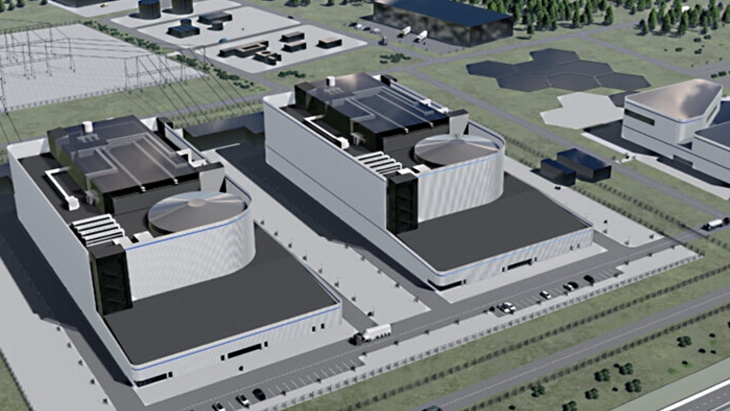
Estonia has narrowed the search for its first nuclear power plant to three sites in Viru-Nigula municipality, about 120 kilometres east of Tallinn, after ruling out three locations in Lüganuse municipality on security grounds. The government initiated the spatial planning process in May 2025 at the request of Fermi Energia, and is now in the site pre-selection phase, which runs to 2027. The evaluation includes assessment of strategic access to existing infrastructure and Environmental Impact Assessments.
Where this fits
Estonia is moving to firm, dispatchable power. The country's grid cannot run on renewables alone, weather-dependent wind and solar require either storage at scale (cost and materials) or gas backup (emissions and fuel dependency). Nuclear provides firm, low-carbon generation with minimal material footprint per unit of energy over a 60-year operating life. Estonia's choice to pursue it reflects the hard engineering reality that a modern grid needs baseload power. Australia has the same constraint but no legal path to nuclear; instead, the grid is being built on renewables plus gas plus an increasingly fragile, coal-fired backstop.
What it means
Estonia is solving a problem Australia refuses to acknowledge. A small Baltic nation facing Russian coercion and energy dependence is choosing the generation source with the lowest lifecycle emissions, the smallest material demand, and the longest asset life. Meanwhile, Australia is pursuing a renewables-first path that requires tripling transmission, building enough battery storage to shift seasonal variability, and relying on a supply chain (panels, inverters, batteries, processed minerals) owned by China. The comparative cost, speed, and strategic autonomy of nuclear are being foregone, not because the technology is unsafe or unproven, but because law forbids it.
Go deeper on the numbers
The bigger picture
Energy security is national security. This connects to the wider case at Unprepared: Australia's dependence on a strategic rival, and how ready it is for the world that is coming.

The Factory Floor
In 2024, China built over a thousand commercial vessels. The United States built eight. Part V of the Unprepared series.
Reported by World Nuclear News. Read the original report ↗
Related coverage
Rooppur nuclear plant feeds 350MW into national grid for the first time - The Daily Star
Energy crisis reinforces comeback of nuclear power, says IEA
Bangladesh 1st nuke power plant connects to national grid - Khmer Times
Nuclear Finance is Running Out of Excuses
The numbers, as they move
A short, sourced brief when the figures shift: a transmission blow-out, a supply-chain move, a milestone.