Gas reservation scheme: Why critics say it could backfire badly - The Australian

The Australian has reported on criticism of a proposed gas reservation scheme, with detractors arguing it could harm Australia's energy security and economic interests by restricting export volumes at a time when domestic gas supply faces tightness and international demand remains strong. The scheme would set aside gas for domestic use, but critics contend it risks deterring investment in new supply projects, reducing long-term production capacity and potentially leaving Australia more exposed to supply shortfalls.
Where this fits
This is a reliability and sovereignty problem made visible. Australia's grid is now heavily dependent on gas for firming, the dispatchable power that fills the gaps when wind and solar output drops. That dependence was a necessary design choice, not an accident: a renewables-only system cannot meet peak demand without stored energy or firm backup. Gas reservation restricts the volume available for that critical grid role while simultaneously discouraging the exploration and development that would build future supply. The result is a squeeze on both export revenue and domestic reserve margins.
What it means
Australia faces a squeeze between export commitments, domestic grid need, and investment risk. If reservation policy succeeds in constraining export sales, it erodes the returns that justify new gas field development, shrinking the supply base over time. If it fails, if producers simply decline to invest, the same outcome follows. Either way, Australia trades long-term energy independence for short-term political appearance. The honest question is whether a grid designed to lean on gas for firming can afford to shrink its gas supply. It cannot.
Go deeper on the numbers
The bigger picture
Energy security is national security. This connects to the wider case at Unprepared: Australia's dependence on a strategic rival, and how ready it is for the world that is coming.
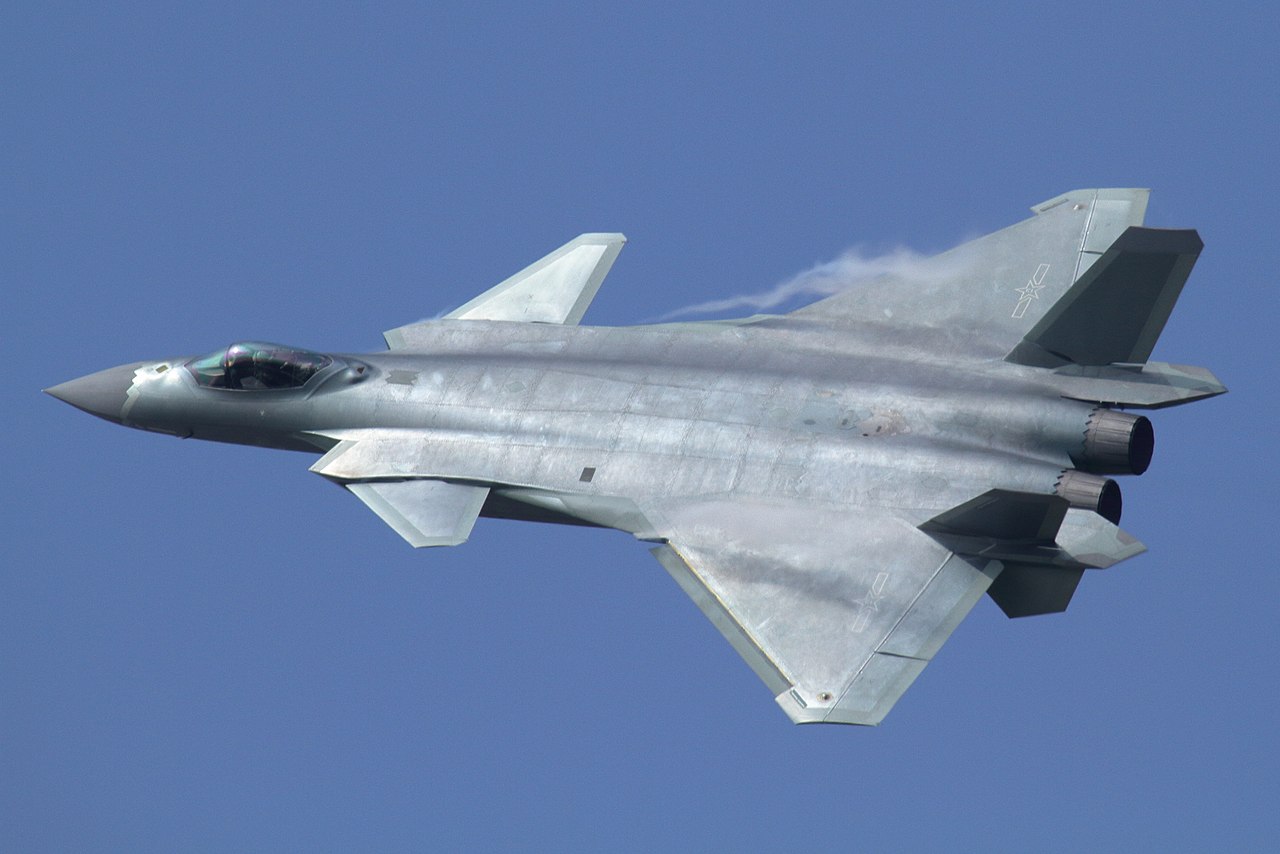
Xi Jinping and the Purge That Built an Army
The PLA that Xi Jinping inherited in 2012 was modernising, and the one he commands in 2026 is transformed. Part IV of the Unprepared series.
Reported by GNews: The Australian energy. Read the original report ↗
Related coverage
Rural Australian communities are hosting the clean energy boom. Are they getting a fair say? - The Conversation
One Nation pledges to tear down offshore gas bans - The Australian
Ausgrid releases energy mapping data to support solar and battery investment
Domestic Gas Reservation: Landmark Bill Secures Up to 20% of LNG - NewsCop
The numbers, as they move
A short, sourced brief when the figures shift: a transmission blow-out, a supply-chain move, a milestone.