How Marinus Link has built trust with the Gippsland community
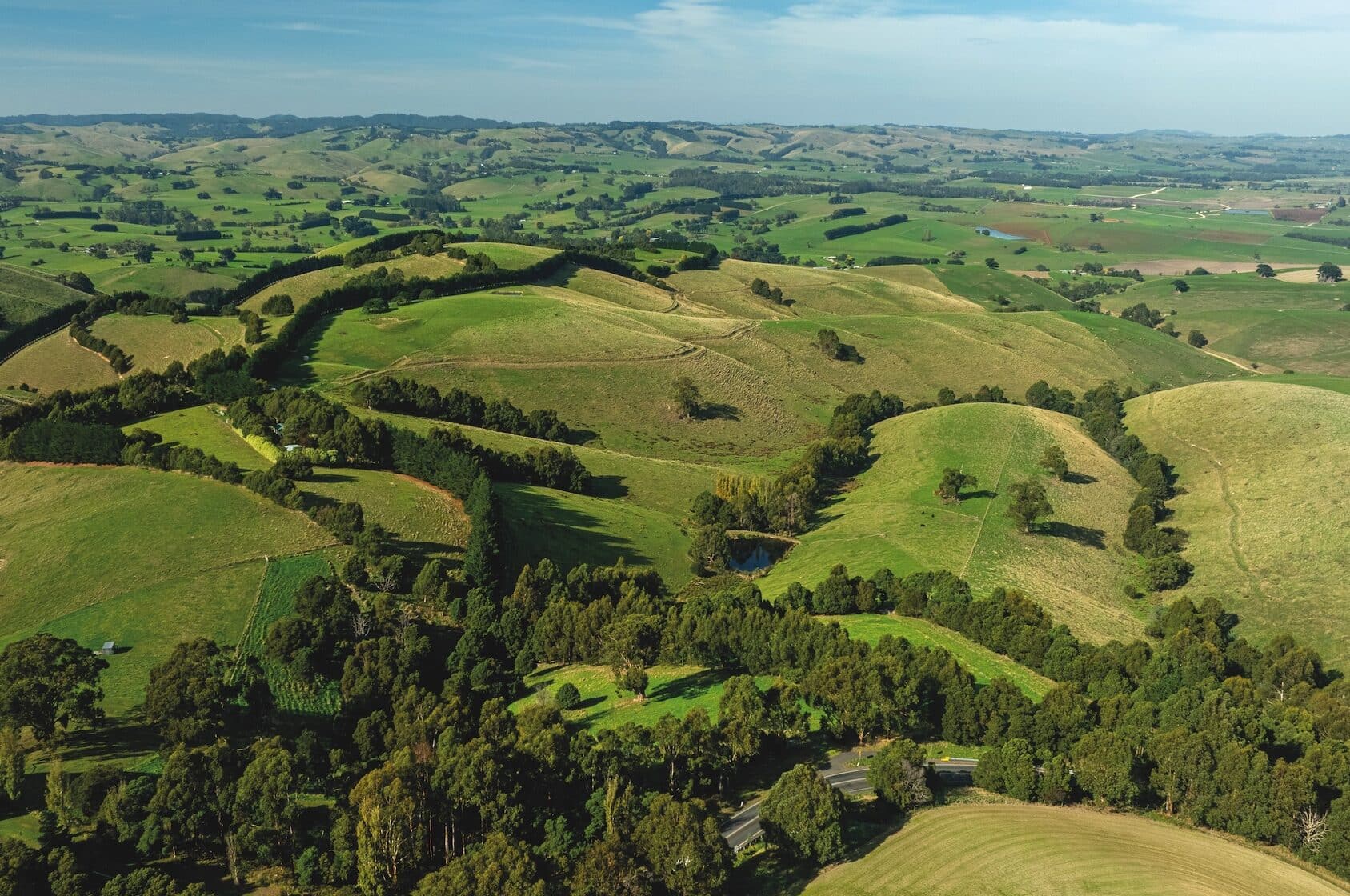
Marinus Link, the proposed Basslink 2 interconnector between Victoria and Tasmania, is completing land access agreements with 95 landholders whose property the cable route will cross. The project's leadership is framing community engagement and negotiated access arrangements as evidence of trust-building with affected residents in Gippsland.
Where this fits
Marinus Link is a transmission project, not generation. Its purpose is to move power from Tasmania's existing hydro and planned renewables into Victoria's grid, firming intermittent solar and wind output. The need for it is itself a cost hidden in the renewables-only transition: a firm grid requires not just panels and batteries, but a vast overbuild of transmission to move weather-dependent power long distances, at high capital cost. The trust exercise here, negotiating land access, is real work, but it reflects a structural fact: shifting from dispatchable, on-site generation to weather-dependent, distant supply forces projects like this into communities that did not ask for them. A distributed nuclear fleet would generate power where demand is concentrated, avoiding the need for this scale of long-distance transmission and its attendant friction.
What it means
Marinus Link exemplifies the hidden infrastructure burden of a renewables-only path. Every megawatt of firming capacity Tasmania can export requires not just cable, but years of landowner negotiation and community management. The project also deepens Australia's dependence on China for the inverters, power electronics and other critical components that make long-distance HVDC transmission work. Approval and delivery timelines are now measured in years, not months. A firm generation source at scale, nuclear, would compress both the transmission need and the strategic dependence, but remains barred by law.
Go deeper on the numbers
The bigger picture
Energy security is national security. This connects to the wider case at Unprepared: Australia's dependence on a strategic rival, and how ready it is for the world that is coming.

Xi Jinping and the Purge That Built an Army
The PLA that Xi Jinping inherited in 2012 was modernising, and the one he commands in 2026 is transformed. Part IV of the Unprepared series.
Reported by Energy Magazine. Read the original report ↗
Related coverage
Rural Australian communities are hosting the clean energy boom. Are they getting a fair say? - The Conversation
One Nation pledges to tear down offshore gas bans - The Australian
Ausgrid releases energy mapping data to support solar and battery investment
Domestic Gas Reservation: Landmark Bill Secures Up to 20% of LNG - NewsCop
The numbers, as they move
A short, sourced brief when the figures shift: a transmission blow-out, a supply-chain move, a milestone.