Offshore Wind in Victoria to receive a CfD and an Availability payment … but where was that structure in the ESEM process?

Victoria's offshore wind auction is now taking shape with a support package for winning bidders. The state is seeking 2 GW of offshore capacity and will award contracts combining a 20-year contract for difference (CfD) to manage revenue variability, plus an availability payment. This structure departs from the electricity market framework promoted by the Nelson Review and the design work on contract structures that has occupied policy attention since that review. The timing raises questions about whether the market mechanism settled through that process has held up under the pressure of actually building renewable capacity.
Where this fits
The offshore wind support package points to a deeper cost and reliability problem that the headline buries. A 20-year CfD plus availability payments are explicit government subsidies layered on top of renewable generation. This is the opposite of the market-clearing, subsidy-neutral grid that the renewables transition was originally meant to deliver. Each new renewable project that requires this kind of support structure adds to the whole-system cost, which is borne by taxpayers and consumers but not counted in the per-megawatt-hour headline figures. The divergence from the Nelson Review framework also signals policy instability, which raises capital costs and project risk.
What it means
Australia is now openly underwriting the economics of renewable generation at scale, and the policy framework for doing so is still being improvised. Each state and each technology seems to need its own subsidy design, which fragments the market and keeps Australia dependent on project-by-project government backing rather than a stable, technology-neutral platform. The contrast is instructive: a firm, dispatchable source, whether gas or nuclear, needs no availability payment because it produces power on demand. The renewable transition's real cost includes not only the generation assets but the ongoing fiscal commitment to keep them commercially viable.
By the numbers
at ~A$2000–3200/kW installed. Source: CSIRO GenCost 2024-25. Indicative.
at a ~38% capacity factor, and only when the wind blows, so it still needs firming.
enough for 2–6 TWh a year of firm, always-on power, generating for ~60 years. Source: CSIRO GenCost 2024-25 (A$8.5–13.2bn/GW), IAEA capacity factor.
Figures are indicative conversions from the article's stated quantity using published cost, material and capacity factors (CSIRO GenCost, BNEF, IEA, IAEA). Ranges, not precise forecasts.
Go deeper on the numbers
The bigger picture
Energy security is national security. This connects to the wider case at Unprepared: Australia's dependence on a strategic rival, and how ready it is for the world that is coming.
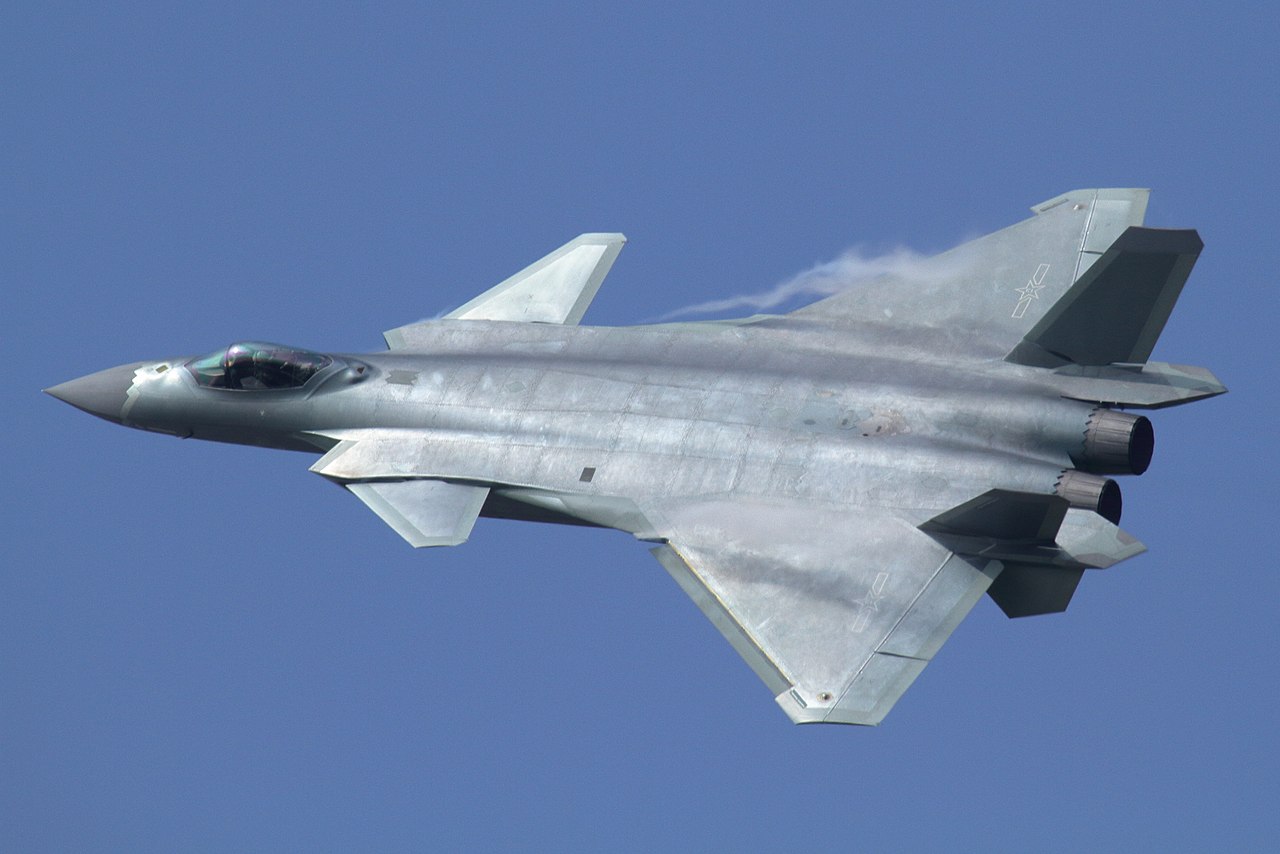
Xi Jinping and the Purge That Built an Army
The PLA that Xi Jinping inherited in 2012 was modernising, and the one he commands in 2026 is transformed. Part IV of the Unprepared series.
Reported by WattClarity. Read the original report ↗
Related coverage
Rural Australian communities are hosting the clean energy boom. Are they getting a fair say? - The Conversation
One Nation pledges to tear down offshore gas bans - The Australian
Ausgrid releases energy mapping data to support solar and battery investment
Domestic Gas Reservation: Landmark Bill Secures Up to 20% of LNG - NewsCop
The numbers, as they move
A short, sourced brief when the figures shift: a transmission blow-out, a supply-chain move, a milestone.