Squadron shrinks size of wind farm it wants to build in epicentre of Victoria’s anti-renewable activi... - Renew Economy

Squadron Energy has reduced the capacity of a proposed wind farm in Victoria, reportedly in response to local opposition in an area known for anti-renewable activism. The company has not disclosed the new size in the article, only that the project has been scaled back from its original plan.
Where this fits
This is a constraint on deployment speed and total renewable capacity. Australia's renewable buildout depends on land access and community consent. When projects shrink or face delays over local opposition, the total gigawatt-hours available to the grid fall, and the timeline to retire coal extends. This matters because a renewables-heavy grid needs either surplus capacity to weather dry, windless periods, or firm backup generation. Smaller projects mean either more total sites needed to reach the same output, or more reliance on gas peaking plants and battery storage to cover the gaps. Both paths raise system cost and complexity.
What it means
Renewable projects face genuine friction in regional communities, and that friction translates to slower buildout and higher per-megawatt-hour delivered cost across the whole system. The firm alternative, nuclear, faces the same local land-use pushback but has never been permitted a serious attempt in Australia to overcome it. The grid is being built piecemeal, project by project, constrained by consent. Meanwhile, the time cost of that piecemeal approach means more years running coal, or more years running gas to firm weather-dependent renewables, neither of which serves emissions, cost, or energy security.
Go deeper on the numbers
The bigger picture
Energy security is national security. This connects to the wider case at Unprepared: Australia's dependence on a strategic rival, and how ready it is for the world that is coming.
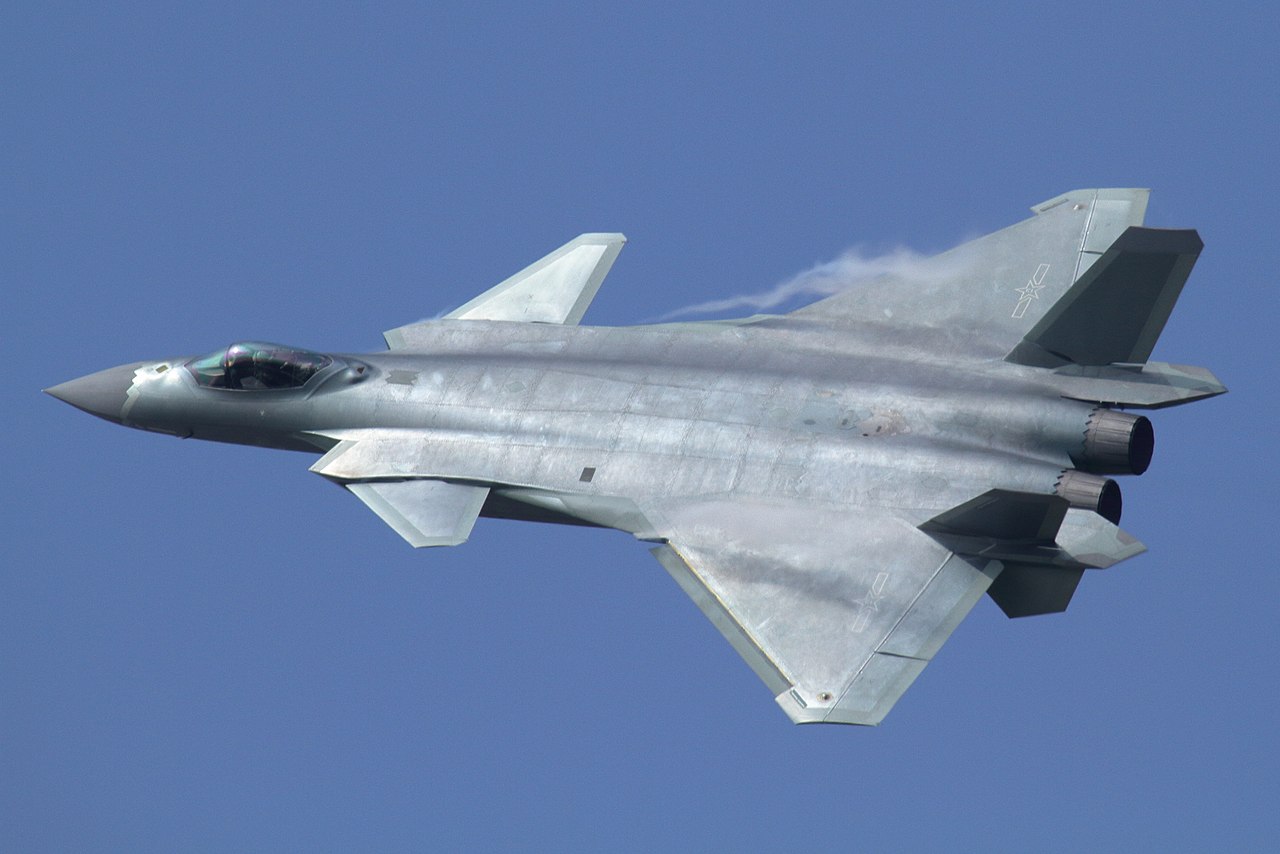
Xi Jinping and the Purge That Built an Army
The PLA that Xi Jinping inherited in 2012 was modernising, and the one he commands in 2026 is transformed. Part IV of the Unprepared series.
Reported by GNews: RenewEconomy. Read the original report ↗
Related coverage
Rural Australian communities are hosting the clean energy boom. Are they getting a fair say? - The Conversation
One Nation pledges to tear down offshore gas bans - The Australian
Ausgrid releases energy mapping data to support solar and battery investment
Domestic Gas Reservation: Landmark Bill Secures Up to 20% of LNG - NewsCop
The numbers, as they move
A short, sourced brief when the figures shift: a transmission blow-out, a supply-chain move, a milestone.