Victoria knocks down planning hurdles for contentious transmission project in “gazetting blitzkrieg”
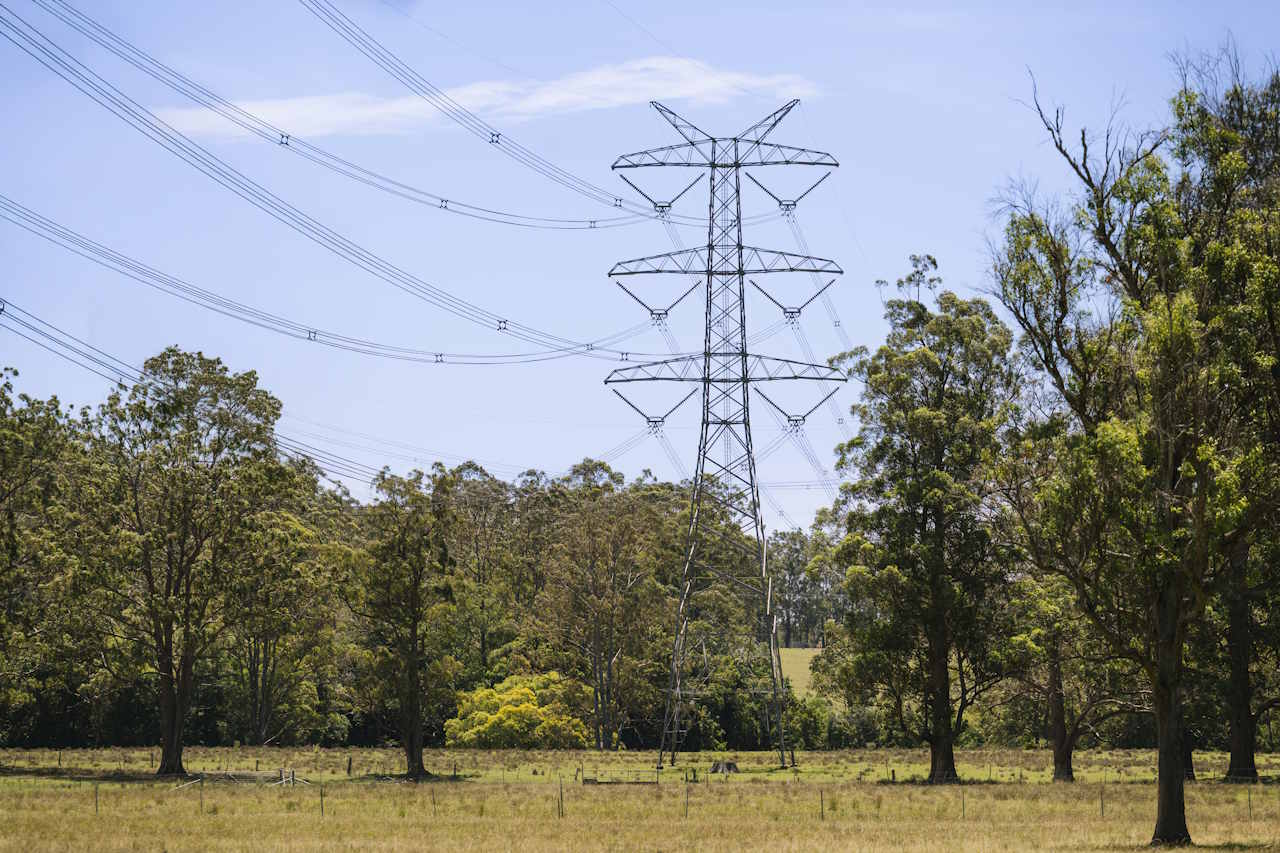
Victoria's planning minister has exempted the Western Renewables Link (WRL) transmission project from council approval requirements across six local government areas, allowing AusNet to proceed with early works including tree removal and site preparation. The move, described as a "gazetting blitzkrieg," comes despite Premier Ben Carroll's announcement of a cost review for the estimated $1.5 billion project. AusNet must still obtain Commonwealth environmental approvals and manage landscape, biodiversity, bushfire and social concerns, but no longer needs separate council permits for the designated route or for the Victorian portion of the VNI West interconnector to NSW.
Where this fits
Transmission projects are the hidden cost driver of a renewables-dominated grid. The WRL and VNI West are classic cases: they exist because wind and solar are geographically distant from load, so the grid must be rebuilt to connect dispersed generation to population centres. That overbuild, in steel, concrete, copper and right-of-way, adds billions to the whole-system cost of the renewable transition, a cost that does not appear in per-megawatt-hour solar prices. Expediting approvals through planning exemptions is honest acknowledgment that the alternative is to accept cost and delay, not to solve the underlying problem: that variable renewables require vastly more transmission infrastructure than firm power sources.
What it means
Australia is betting billions on transmission infrastructure to firm up weather-dependent generation, accelerating approval pathways to make the timeline work. The project proceeds even as costs are under review, signalling that the grid rebuild cannot pause. A firm, energy-dense source like nuclear would need far less transmission overbuild and could serve load where it sits, but remains legally unavailable. The question is whether Australians understand what they are financing.
By the numbers
enough for 1–1 TWh a year of firm, always-on power, generating for ~60 years. Source: CSIRO GenCost 2024-25 (A$8.5–13.2bn/GW), IAEA capacity factor.
Figures are indicative conversions from the article's stated quantity using published cost, material and capacity factors (CSIRO GenCost, BNEF, IEA, IAEA). Ranges, not precise forecasts.
Go deeper on the numbers
The bigger picture
Energy security is national security. This connects to the wider case at Unprepared: Australia's dependence on a strategic rival, and how ready it is for the world that is coming.
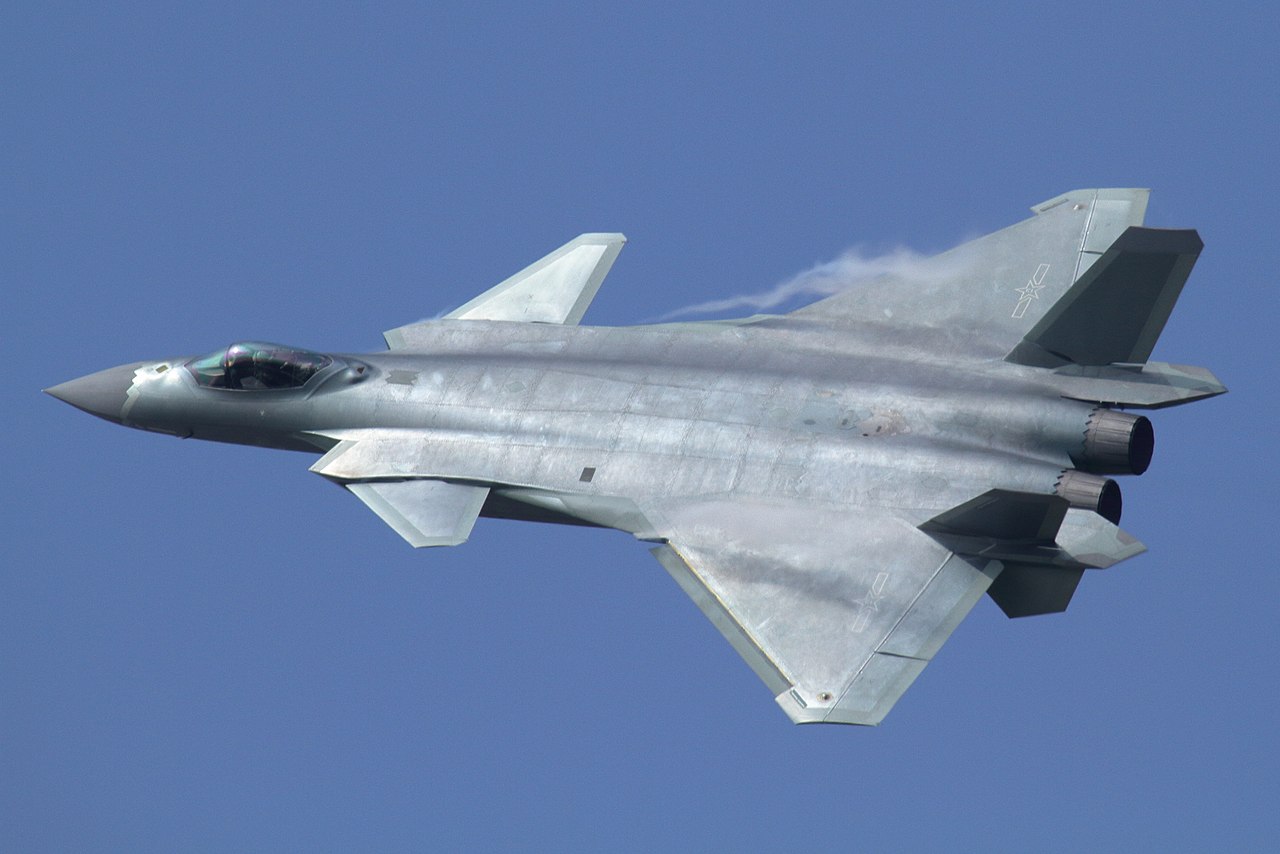
Xi Jinping and the Purge That Built an Army
The PLA that Xi Jinping inherited in 2012 was modernising, and the one he commands in 2026 is transformed. Part IV of the Unprepared series.
Reported by RenewEconomy. Read the original report ↗
Related coverage
Rural Australian communities are hosting the clean energy boom. Are they getting a fair say? - The Conversation
One Nation pledges to tear down offshore gas bans - The Australian
Ausgrid releases energy mapping data to support solar and battery investment
Domestic Gas Reservation: Landmark Bill Secures Up to 20% of LNG - NewsCop
The numbers, as they move
A short, sourced brief when the figures shift: a transmission blow-out, a supply-chain move, a milestone.