Victoria lays down the law for data centres
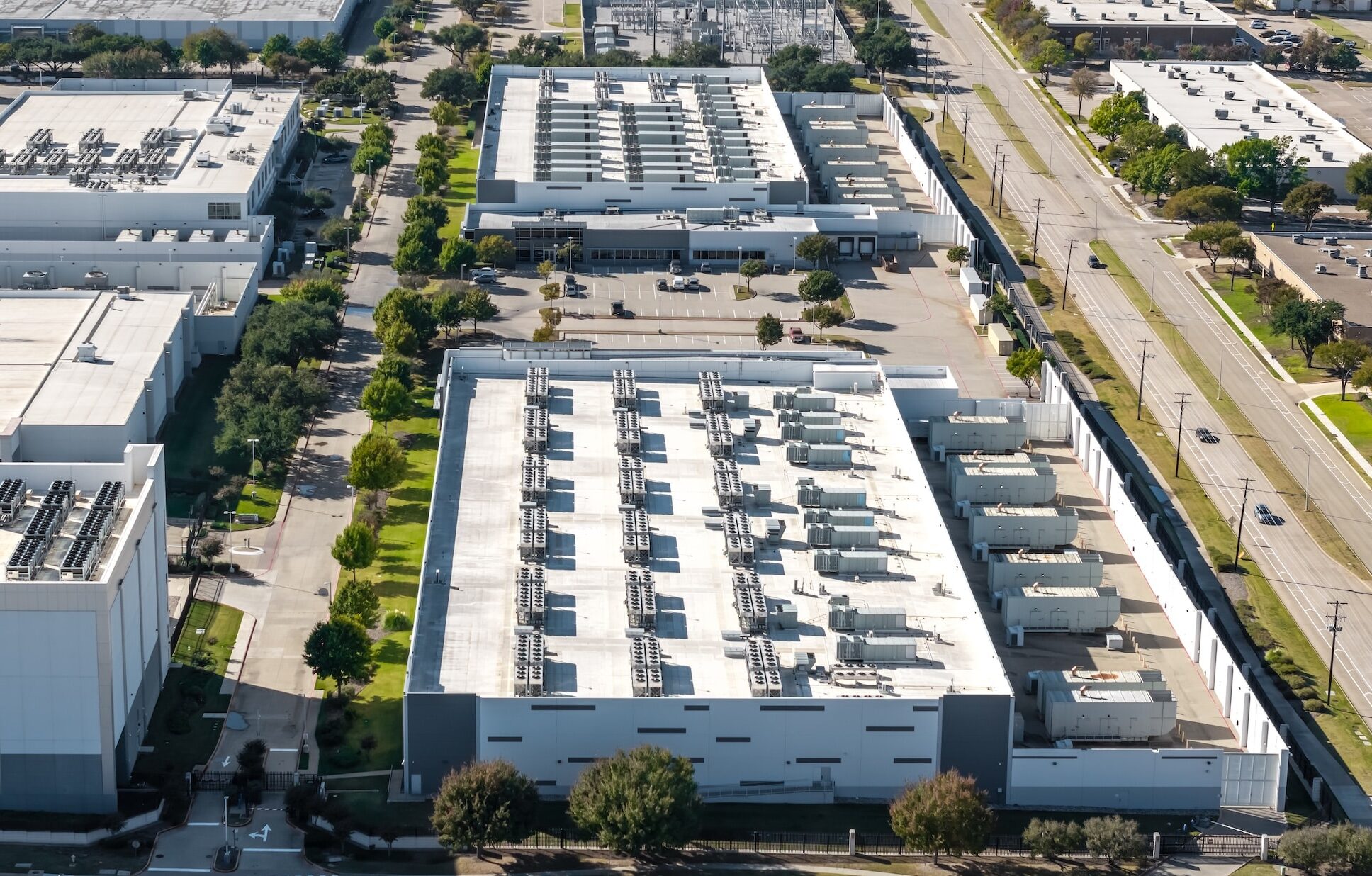
Victoria has introduced a requirement that new data centres must match their electricity demand with new renewable generation and storage capacity.
Where this fits
This rule pushes the cost and complexity of firming onto data centre operators rather than pooling it across the grid. Data centres run 24/7: they need firm power, not weather-dependent supply. By mandating that each facility source its own renewables-plus-storage, Victoria is forcing a distributed, redundant duplication of battery capacity across the state. The real cost of firming, the batteries, the inverters, the land, the minerals mined in China, now scales with every data centre, rather than being solved once at grid scale with dispatchable generation. This is a materials and supply-chain efficiency problem wearing a climate policy hat.
What it means
Data centres are energy-dense, high-value loads that will shape Australia's industrial competitiveness. Forcing each to carry its own storage overhead makes them more expensive to build and operate here, and creates artificial incentive to locate offshore. It also locks in China's control of battery and inverter supply: every new facility adds to Australian dependence on Chinese manufacturing for the critical minerals, cells, and power electronics needed to meet the rule. A grid with firm, dispatchable power, nuclear, or existing gas with carbon capture, would let data centres plug in at lower cost and without the supply-chain vulnerability. Instead, Victoria is making strategic infrastructure more expensive and more dependent on a geopolitical rival.
Go deeper on the numbers
The bigger picture
Energy security is national security. This connects to the wider case at Unprepared: Australia's dependence on a strategic rival, and how ready it is for the world that is coming.

Xi Jinping and the Purge That Built an Army
The PLA that Xi Jinping inherited in 2012 was modernising, and the one he commands in 2026 is transformed. Part IV of the Unprepared series.
Reported by Energy Magazine. Read the original report ↗
Related coverage
Rural Australian communities are hosting the clean energy boom. Are they getting a fair say? - The Conversation
One Nation pledges to tear down offshore gas bans - The Australian
Ausgrid releases energy mapping data to support solar and battery investment
Domestic Gas Reservation: Landmark Bill Secures Up to 20% of LNG - NewsCop
The numbers, as they move
A short, sourced brief when the figures shift: a transmission blow-out, a supply-chain move, a milestone.