Webinar: Supersizing Australia’s solar rooftops and battery storage
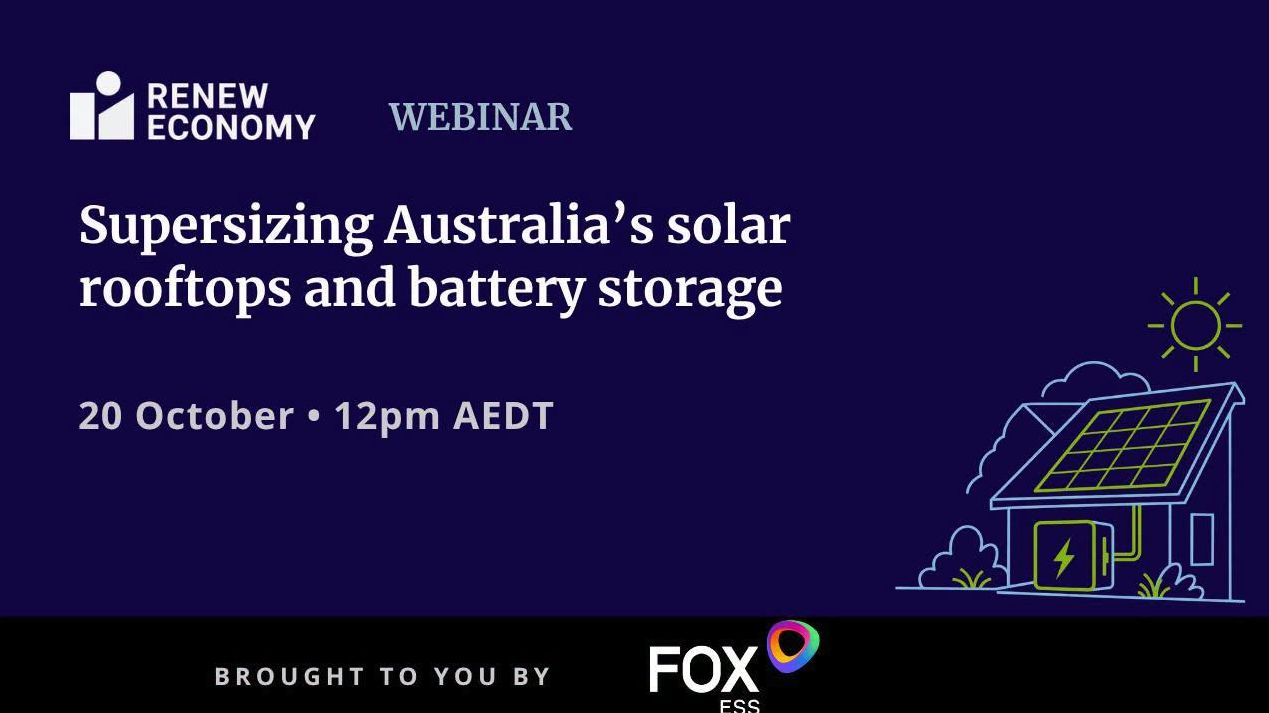
Australia's rebate scheme for rooftop solar has been extended to systems up to one megawatt, creating what the announcement frames as an "80 gigawatt opportunity" for distributed battery storage in the commercial and industrial sector. The policy treats consumers and small businesses as major new grid power sources, shifting the transition's centre of gravity away from utility-scale renewables toward a more fragmented, distributed model.
Where this fits
This expansion deepens Australia's bet on weather-dependent, distributed generation without addressing the core reliability problem: a grid running on rooftop solar and batteries still requires firm backup power, and that backup remains gas. The policy also locks in dependence on imported hardware. Every megawatt of rooftop solar and every kilowatt-hour of battery storage that enters the grid means more Chinese-made panels, inverters, and battery cells, and more embedded emissions from China's coal-fired factories. The distributed model also multiplies the copper, silicon, and rare earths needed per unit of dispatchable capacity.
What it means
Supersizing rooftop solar makes the transition visible and popular, but it does not solve the intermittency problem at the system level. A 1 MW commercial or industrial system with battery storage can smooth a single site's load curve, but it cannot firm the grid when weather is poor across a region for days. That firming still falls to gas turbines, extending the life of the transition's fossil-fuel backbone. Australia remains unprepared for the supply-chain dependence this creates: 80 gigawatts of solar means 80 gigawatts of future replacement cycles, all sourced through channels controlled or heavily influenced by a strategic rival. A firm, long-lived domestic alternative, nuclear, remains legislatively banned.
By the numbers
at ~A$1100–1600/kW installed. Source: CSIRO GenCost 2024-25. Indicative.
at a ~24% capacity factor, and only when the sun shines, so it still needs firming.
~80% of modules are China-made. Source: IEA solar supply-chain data.
enough for 53–119 TWh a year of firm, always-on power, generating for ~60 years. Source: CSIRO GenCost 2024-25 (A$8.5–13.2bn/GW), IAEA capacity factor.
Figures are indicative conversions from the article's stated quantity using published cost, material and capacity factors (CSIRO GenCost, BNEF, IEA, IAEA). Ranges, not precise forecasts.
Go deeper on the numbers
The bigger picture
Energy security is national security. This connects to the wider case at Unprepared: Australia's dependence on a strategic rival, and how ready it is for the world that is coming.
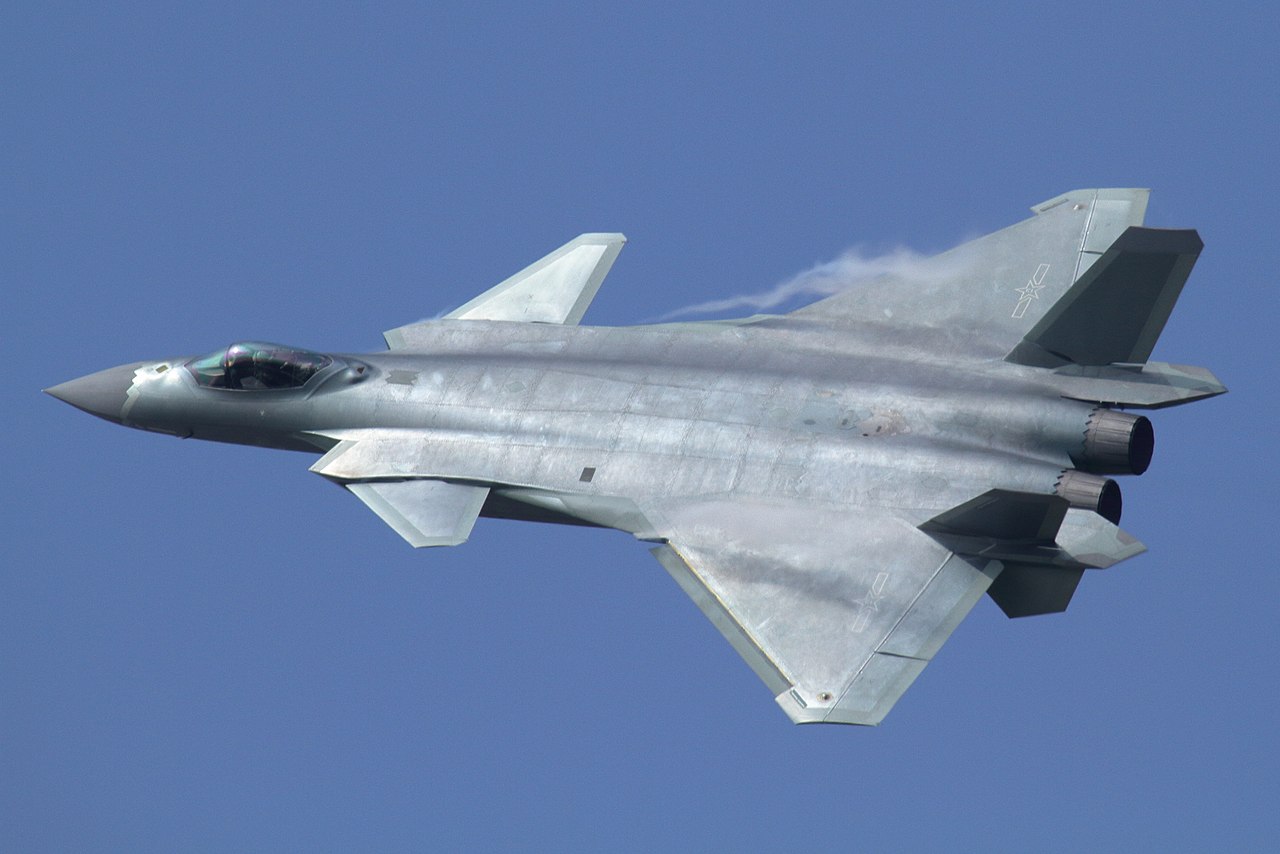
Xi Jinping and the Purge That Built an Army
The PLA that Xi Jinping inherited in 2012 was modernising, and the one he commands in 2026 is transformed. Part IV of the Unprepared series.
Reported by RenewEconomy. Read the original report ↗
Related coverage
Rural Australian communities are hosting the clean energy boom. Are they getting a fair say? - The Conversation
One Nation pledges to tear down offshore gas bans - The Australian
Ausgrid releases energy mapping data to support solar and battery investment
Domestic Gas Reservation: Landmark Bill Secures Up to 20% of LNG - NewsCop
The numbers, as they move
A short, sourced brief when the figures shift: a transmission blow-out, a supply-chain move, a milestone.