Western Australia names Clean Energy Link – East contractors to unlock 2.3GW of solar and wind - PV Tech

Western Australia has named contractors for the Clean Energy Link project, a transmission corridor designed to connect 2.3 gigawatts of new solar and wind capacity from regional areas to load centres. The project is being positioned as essential infrastructure to unlock renewable generation across the state.
Where this fits
This is a whole-system cost story masked as a generation story. The 2.3 gigawatts of solar and wind are weather-dependent; firm power must back them, and the transmission backbone to move intermittent output across the state adds capital cost that does not appear in the per-megawatt-hour headline. The Unprepared angle sits here too. The panels, inverters, and batteries that will fill this corridor are manufactured almost entirely in China, on coal-fired grids. Western Australia is outsourcing both the hardware supply chain and the emissions accounting to a strategic rival, while forgoing the firm, long-lived, low-material alternative that is banned by law in Australia: nuclear.
What it means
Australia is building the right transmission, but in service of the wrong generation mix. A firm power backbone, whether gas or nuclear, would need less overbuild of cables and substations, because output is not weather-hostage. The real cost of this project is not the contractors' fees; it is the solar panels themselves, sourced from China's coal belt, and the gas plants (or future battery fleet, equally China-dependent) that will run whenever the wind does not blow. Australia is outsourcing energy security to the supply chain it can least afford to depend on.
By the numbers
at ~A$1100–1600/kW installed. Source: CSIRO GenCost 2024-25. Indicative.
at a ~24% capacity factor, and only when the sun shines, so it still needs firming.
~80% of modules are China-made. Source: IEA solar supply-chain data.
enough for 2–3 TWh a year of firm, always-on power, generating for ~60 years. Source: CSIRO GenCost 2024-25 (A$8.5–13.2bn/GW), IAEA capacity factor.
Figures are indicative conversions from the article's stated quantity using published cost, material and capacity factors (CSIRO GenCost, BNEF, IEA, IAEA). Ranges, not precise forecasts.
Go deeper on the numbers
The bigger picture
Energy security is national security. This connects to the wider case at Unprepared: Australia's dependence on a strategic rival, and how ready it is for the world that is coming.
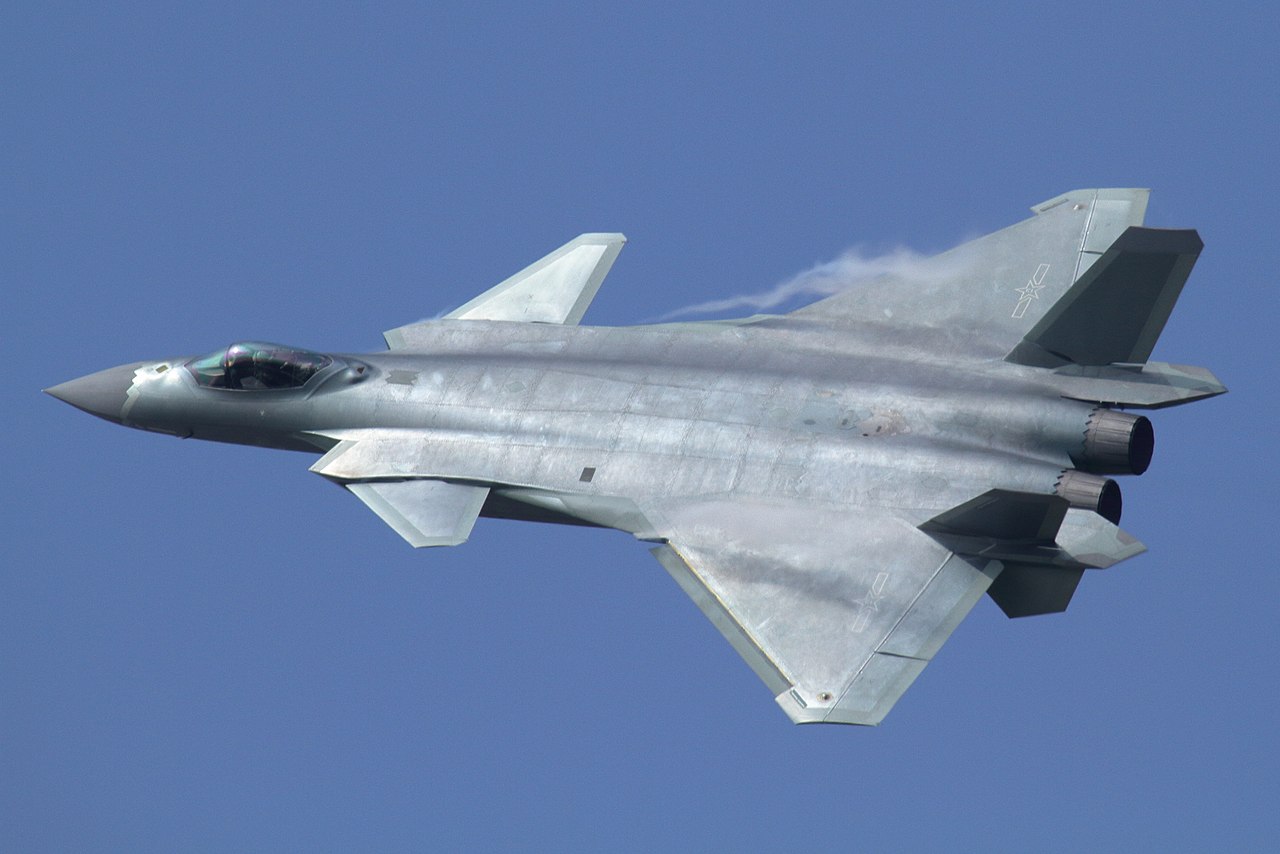
Xi Jinping and the Purge That Built an Army
The PLA that Xi Jinping inherited in 2012 was modernising, and the one he commands in 2026 is transformed. Part IV of the Unprepared series.
Reported by GNews: transmission build. Read the original report ↗
Related coverage
Rural Australian communities are hosting the clean energy boom. Are they getting a fair say? - The Conversation
One Nation pledges to tear down offshore gas bans - The Australian
Ausgrid releases energy mapping data to support solar and battery investment
Domestic Gas Reservation: Landmark Bill Secures Up to 20% of LNG - NewsCop
The numbers, as they move
A short, sourced brief when the figures shift: a transmission blow-out, a supply-chain move, a milestone.