Chalmers promises no big cuts to “responsible cost-of-living relief,” in sign home battery rebate might be safe
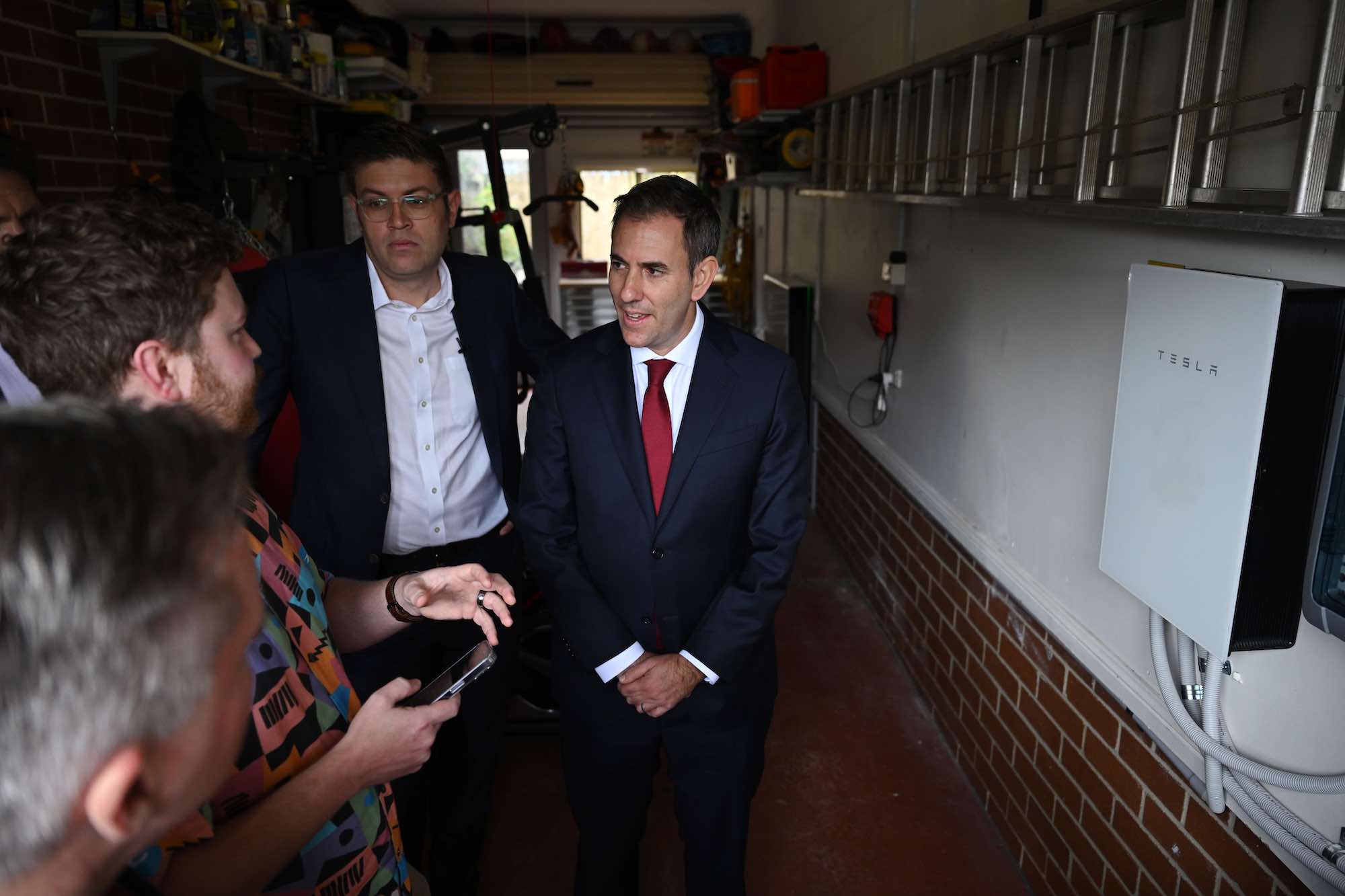
Federal Treasurer Jim Chalmers signalled in a November address that the government will not make major cuts to the Cheaper Home Batteries rebate in the mid-year budget update, describing the fiscal exercise as one of "fine balances" rather than drastic reductions. The rebate programme has proven politically popular. Chalmers cited global pressures, including oil prices, as headwinds on inflation, though the article does not specify budget figures or the scale of any proposed changes to the scheme.
Where this fits
The home battery rebate is a demand-side subsidy designed to accelerate household uptake of storage paired with rooftop solar. It sits at the intersection of two cost pressures: the need to firm a grid that is increasingly weather-dependent, and the fiscal cost of incentivising that firming at household rather than grid scale. Protecting the rebate reflects a political calculation that the program's popularity outweighs its budget impact, but it also commits public money to a distributed-storage model that relies on hardware and supply chains dominated by China.
What it means
Keeping the rebate intact signals confidence that household battery deployment will continue to absorb some of the grid's firming task, deferring larger infrastructure costs to the future. That deferral is not costless: distributed batteries are more expensive per kilowatt-hour of storage than centralised firming, whether gas or nuclear, and they do not reduce Australia's material or supply-chain dependence on Beijing. The policy bets on subsidised consumer adoption rather than firm, dispatchable generation. It is a choice that extends the transition timeline and locks in a grid architecture that is structurally reliant on Chinese battery technology and processing.
Go deeper on the numbers
The bigger picture
Energy security is national security. This connects to the wider case at Unprepared: Australia's dependence on a strategic rival, and how ready it is for the world that is coming.

The Factory Floor
In 2024, China built over a thousand commercial vessels. The United States built eight. Part V of the Unprepared series.
Reported by RenewEconomy. Read the original report ↗
Related coverage
Cutting home battery subsidy shapes as false economics
Renewables in line for a super boost, as Chalmers moves to unlock $90 billion in “emerging asset” investment
Muswellbrook coal mine makes way for 176MW solar farm
30,000 police escorts and a 278km detour: Inside the wind farm crunch - AFR
The numbers, as they move
A short, sourced brief when the figures shift: a transmission blow-out, a supply-chain move, a milestone.