Muswellbrook coal mine makes way for 176MW solar farm
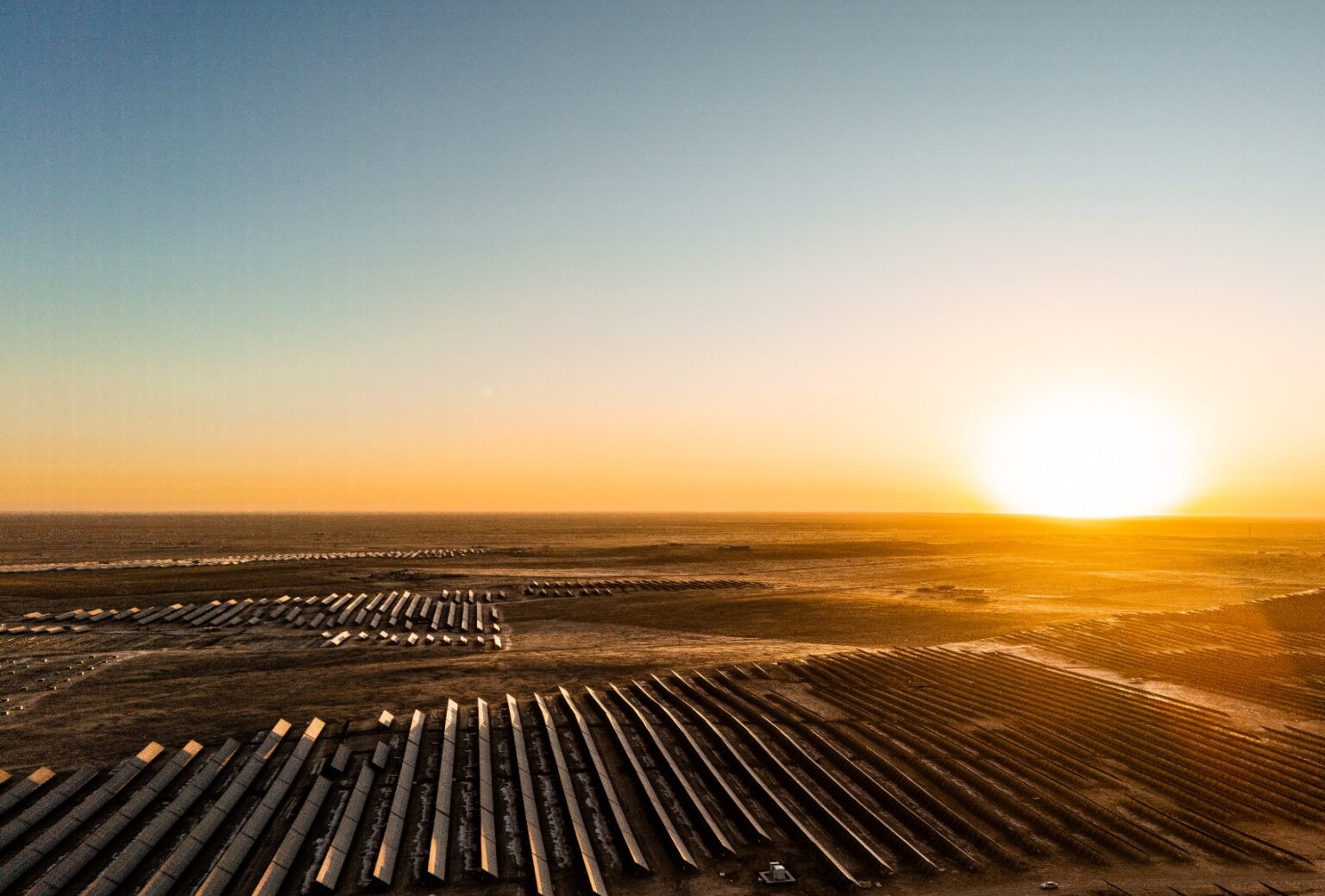
A coal mine in NSW's Hunter Valley is being repurposed as a 176MW solar farm with 100MWh of battery storage. LONGi, a Chinese manufacturer, is supplying around 300,000 solar modules for the project.
Where this fits
This story illustrates the materials and sovereignty cost embedded in Australia's renewables transition. The project depends on Chinese-manufactured panels and battery cells, locking in supply-chain exposure to a strategic competitor at scale. The 100MWh battery, sufficient for less than 30 minutes of the farm's peak output, underscores the firming problem: solar's intermittency means the grid still requires firm power elsewhere, usually gas, to meet demand when the sun sets.
What it means
Land reuse is genuine value. But the headline obscures the full system cost. Australia is trading a domestic coal asset for a weather-dependent asset owned and supplied by China. When the sun is not shining, the grid still needs 176MW of firm power, gas, hydro, or firm nuclear, running in the background, paid for but mostly idle. That redundancy is the real cost of the renewables path: dual infrastructure, with neither fully utilised, plus the geopolitical exposure of relying on Chinese supply chains for critical grid equipment. A similar MW of firm nuclear would occupy far less land, need no battery, generate 24/7, and be sovereign from the moment construction began. Instead, Australia remains locked into gas firming and Chinese supply dependence by law.
By the numbers
at ~A$1100–1600/kW installed. Source: CSIRO GenCost 2024-25. Indicative.
at a ~24% capacity factor, and only when the sun shines, so it still needs firming.
~80% of modules are China-made. Source: IEA solar supply-chain data.
Figures are indicative conversions from the article's stated quantity using published cost, material and capacity factors (CSIRO GenCost, BNEF, IEA, IAEA). Ranges, not precise forecasts.
at ~A$600–1000/kWh installed. Source: BNEF, CSIRO GenCost 2024-25. Indicative.
of average national (NEM) demand if fully dischargeable, then it needs recharging. Storage shifts power, it does not generate it.
lithium, graphite, nickel, copper and cobalt (~10 t lithium content). Replaced roughly every 12 years. Source: IEA, Argonne GREET. Indicative.
~75% of cells are China-made. Source: IEA cell-manufacturing share.
Figures are indicative conversions from the article's stated quantity using published cost, material and capacity factors (CSIRO GenCost, BNEF, IEA, IAEA). Ranges, not precise forecasts.
Go deeper on the numbers
The bigger picture
Energy security is national security. This connects to the wider case at Unprepared: Australia's dependence on a strategic rival, and how ready it is for the world that is coming.

The Factory Floor
In 2024, China built over a thousand commercial vessels. The United States built eight. Part V of the Unprepared series.
Reported by Utility Magazine. Read the original report ↗
Related coverage
Cutting home battery subsidy shapes as false economics
Renewables in line for a super boost, as Chalmers moves to unlock $90 billion in “emerging asset” investment
Chalmers promises no big cuts to “responsible cost-of-living relief,” in sign home battery rebate might be safe
30,000 police escorts and a 278km detour: Inside the wind farm crunch - AFR
The numbers, as they move
A short, sourced brief when the figures shift: a transmission blow-out, a supply-chain move, a milestone.