Is the Battery Rebate Being Cut? What to Know Before You Buy
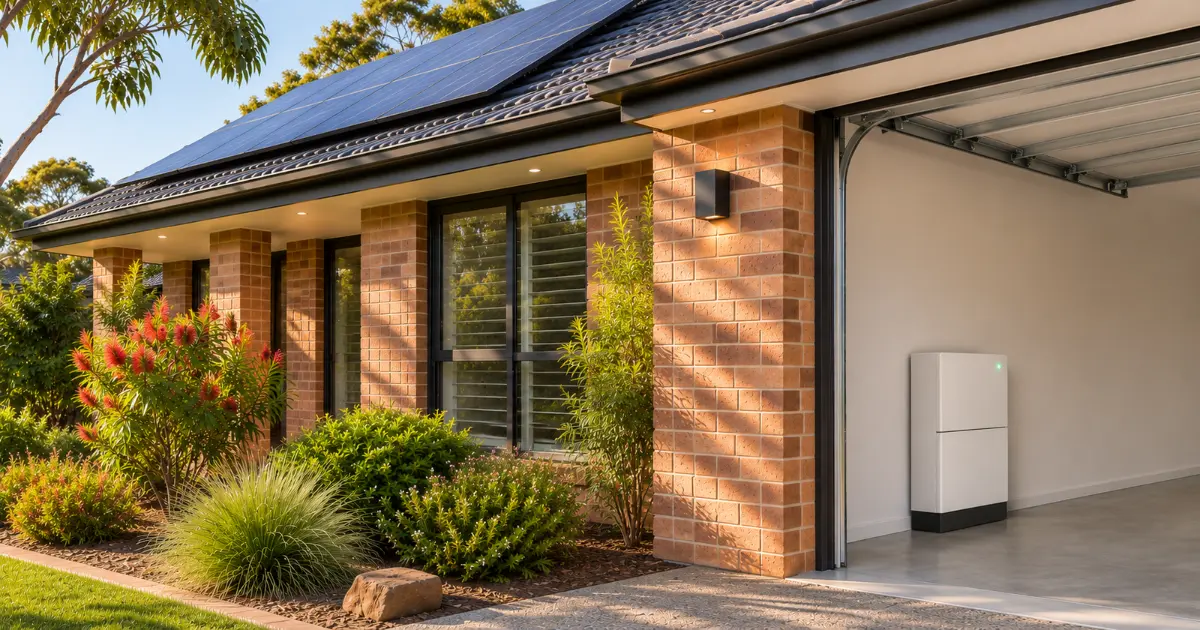
Australia's battery rebate is scheduled to drop on 1 January 2027. Labor is also considering further changes to the scheme. The article does not specify the size of the cut or which households will be affected, only that it will increase the cost of installing home batteries and that prospective buyers should understand the rebate terms before purchasing.
Where this fits
This is a cost story, and it touches on the materials and supply-chain problem. Home batteries are the linchpin of a renewables-heavy grid: they store solar output when generation exceeds demand, releasing it when the sun sets. Without them, dispatchable gas generation must fill the gap. Rebates make batteries affordable. As the rebate shrinks, the whole-of-system cost of a renewables grid rises. That cost includes not only the batteries themselves, but the minerals locked inside them. Australia does not process battery-grade lithium, cobalt or nickel at scale; the supply chain runs through China. A smaller rebate means slower deployment of storage, which in turn means more reliance on gas firming and larger transmission overbuild to shift solar across the grid.
What it means
A shrinking rebate is a pressure on the speed and affordability of the transition, not a death blow to it. But it illustrates a harder truth: the cost of a renewables-only grid is not the cost of panels and turbines. It is the cost of panels, turbines, batteries for storage, transmission lines to move power from generation to load, and the minerals to build all of it, sourced from a supply chain Australia does not control. A firm, long-lived, low-material alternative to storage and transmission overbuild, nuclear generation, remains forbidden by law. The rebate cut is a data point in that larger pattern: the transition is proceeding, but at higher total cost and greater strategic dependence than the policy framing admits.
Go deeper on the numbers
The bigger picture
Energy security is national security. This connects to the wider case at Unprepared: Australia's dependence on a strategic rival, and how ready it is for the world that is coming.

The Factory Floor
In 2024, China built over a thousand commercial vessels. The United States built eight. Part V of the Unprepared series.
Reported by Energy Matters. Read the original report ↗
Related coverage
Cutting home battery subsidy shapes as false economics
Renewables in line for a super boost, as Chalmers moves to unlock $90 billion in “emerging asset” investment
Chalmers promises no big cuts to “responsible cost-of-living relief,” in sign home battery rebate might be safe
Muswellbrook coal mine makes way for 176MW solar farm
The numbers, as they move
A short, sourced brief when the figures shift: a transmission blow-out, a supply-chain move, a milestone.