Former NSW coal mine transformed into 176MW solar farm
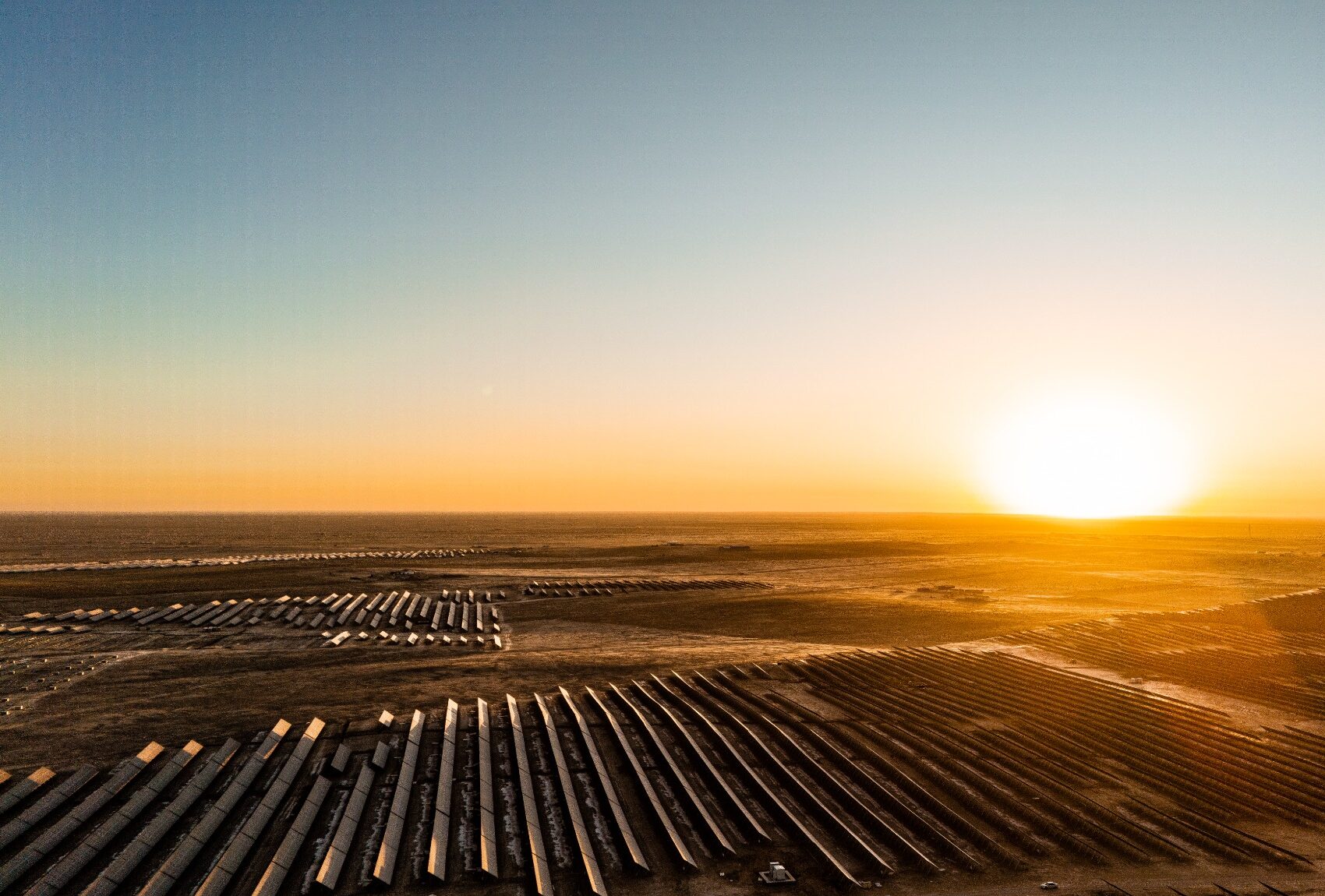
LONGi Solar will supply 176MW of Hi-MO 9 modules to convert the rehabilitated Muswellbrook coal mine in NSW into a solar and battery hybrid project. The move repurposes a site with existing grid connection and transmission access, reducing development friction compared to greenfield solar farms.
Where this fits
This is a materials and sovereignty story wearing a recycling narrative. LONGi is a Chinese state-backed manufacturer. Australia is building a renewables grid on a supply chain it does not control and cannot quickly reshape. The solar modules, inverters, and batteries needed for this project, and the thousands like it now under way, will be designed, manufactured, and processed in China, where polysilicon refining and battery cathode production are coal-intensive and concentrated. A coal mine's closure and conversion to solar is politically compelling. It masks a harder transition: from domestic fuel independence to dependence on Chinese factories for the materials that electricity generation now requires.
What it means
Australia is trading one form of energy dependence for another. The Muswellbrook site's existing grid connection makes it a rational site. But the pattern across the energy transition is a deepening reliance on Chinese supply chains for critical hardware, while Australia holds no leverage to secure supply, pricing, or timely delivery if geopolitical tension rises. A grid built from renewables alone will need firming. That firming will come from gas (fossil, expensive, vulnerable to supply shock) or storage (batteries, which are Chinese-dependent and have finite cycle life). The firm, low-material, long-lived alternative, nuclear, remains legally barred. This project does not solve the resilience problem. It distributes it differently.
By the numbers
at ~A$1100–1600/kW installed. Source: CSIRO GenCost 2024-25. Indicative.
at a ~24% capacity factor, and only when the sun shines, so it still needs firming.
~80% of modules are China-made. Source: IEA solar supply-chain data.
Figures are indicative conversions from the article's stated quantity using published cost, material and capacity factors (CSIRO GenCost, BNEF, IEA, IAEA). Ranges, not precise forecasts.
Go deeper on the numbers
The bigger picture
Energy security is national security. This connects to the wider case at Unprepared: Australia's dependence on a strategic rival, and how ready it is for the world that is coming.

The Factory Floor
In 2024, China built over a thousand commercial vessels. The United States built eight. Part V of the Unprepared series.
Reported by Energy Magazine. Read the original report ↗
Related coverage
Cutting home battery subsidy shapes as false economics
Renewables in line for a super boost, as Chalmers moves to unlock $90 billion in “emerging asset” investment
Chalmers promises no big cuts to “responsible cost-of-living relief,” in sign home battery rebate might be safe
Muswellbrook coal mine makes way for 176MW solar farm
The numbers, as they move
A short, sourced brief when the figures shift: a transmission blow-out, a supply-chain move, a milestone.